Protein sits at the center of countless health conversations, from gym locker rooms to wellness blogs. Yet, for all the attention it gets, misinformation about how much we need, where to get it, and what it actually does is surprisingly common. These myths can lead to confusion, unnecessary spending, and even imbalanced diets. Let's clear the air by examining five persistent protein myths, with insights grounded in nutritional science.
Myth 1: More Protein Is Always Better
The idea that endlessly increasing protein intake leads to better health or more muscle is a pervasive one. While protein is essential for building and repairing tissues, producing enzymes, and supporting immune function, the body can only utilize a certain amount at a time. Consuming far beyond your needs doesn't translate to extra muscle or supercharged health; instead, the excess is either converted to energy or stored as fat.
Your body has a saturation point for protein synthesis. Throwing more fuel at the fire once it's burning brightly doesn't make it brighter.
For most healthy adults, the Recommended Dietary Allowance (RDA) is 0.8 grams of protein per kilogram of body weight. This is the minimum to prevent deficiency. Active individuals, athletes, or older adults may benefit from higher intakes, typically in the range of 1.2 to 2.0 grams per kilogram. The key is adequacy, not excess. Consistently overconsuming protein can also place unnecessary strain on the kidneys in individuals with pre-existing conditions and may crowd out other vital nutrients from fruits, vegetables, and whole grains.
Myth 2: Animal Protein Is Superior to Plant Protein
This myth stems from the fact that animal proteins are "complete," meaning they contain all nine essential amino acids our bodies cannot make. While it's true that many individual plant proteins are "incomplete," this is easily managed through diet. By eating a variety of plant-based protein sources throughout the day—such as beans, lentils, nuts, seeds, and whole grains—you naturally consume all the essential amino acids you need.
Plant proteins offer a powerful package deal: they come bundled with fiber, antioxidants, and healthy fats, nutrients often lacking in animal sources. Relying solely on the "superiority" of animal protein can mean missing out on these benefits. A diet rich in diverse plant proteins is not only sufficient for building muscle and maintaining health but is also linked to lower risks of heart disease and certain cancers.
Myth 3: You Must Eat Protein Immediately After a Workout
The "anabolic window"—a short period post-exercise where protein must be consumed to maximize muscle repair—has been largely overstated for the general fitness enthusiast. While consuming protein after resistance training supports muscle protein synthesis, this window is much wider than once believed, spanning several hours.
For most people, what matters most is your total protein intake over the course of the day, not the precise timing of a shake the minute you finish your last rep. If you have a meal containing protein within two to three hours of your workout, you're effectively supporting recovery. The urgency is far greater for elite athletes training multiple times a day, who need to rapidly refuel. For everyone else, consistency and overall daily intake are the primary drivers.
Myth 4: High-Protein Diets Inherently Harm Kidneys
This is a cautionary tale that has been generalized beyond its evidence. High-protein diets can be harmful for individuals with diagnosed kidney disease, as their kidneys are already impaired and struggle to filter the waste products from protein metabolism.
However, for people with healthy kidney function, there is no strong evidence that a high-protein diet causes damage. The kidneys are robust organs designed to handle variable protein loads. The concern arises when pre-existing conditions are present. If you have any history of kidney issues, it's crucial to consult a healthcare provider before significantly increasing protein. For healthy individuals, staying well-hydrated is the best practice to support kidney function on any diet.
Myth 5: Protein Powders Are a Necessary Supplement for Fitness
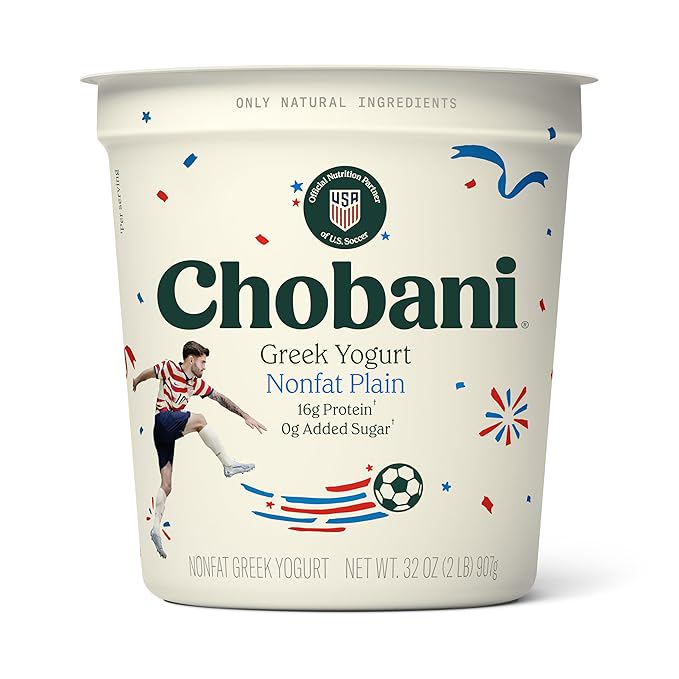
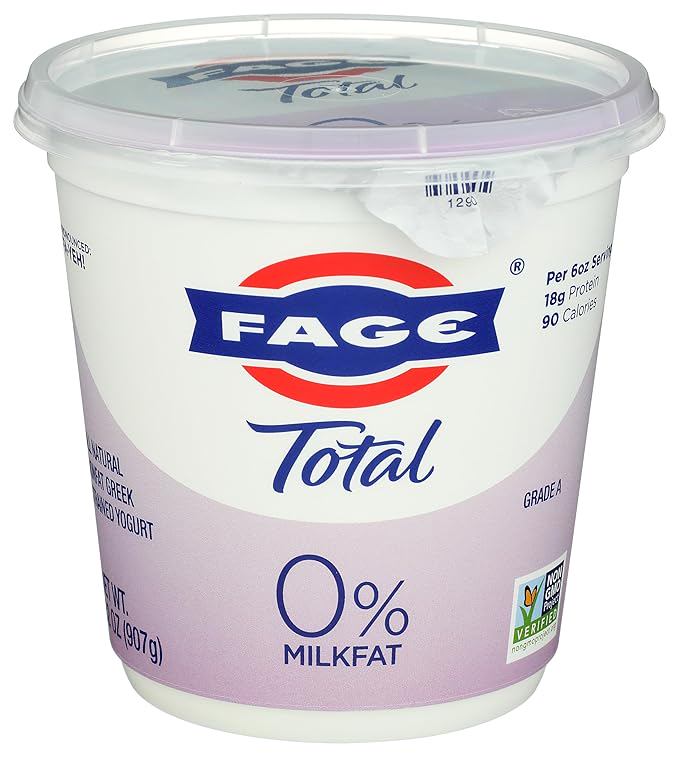
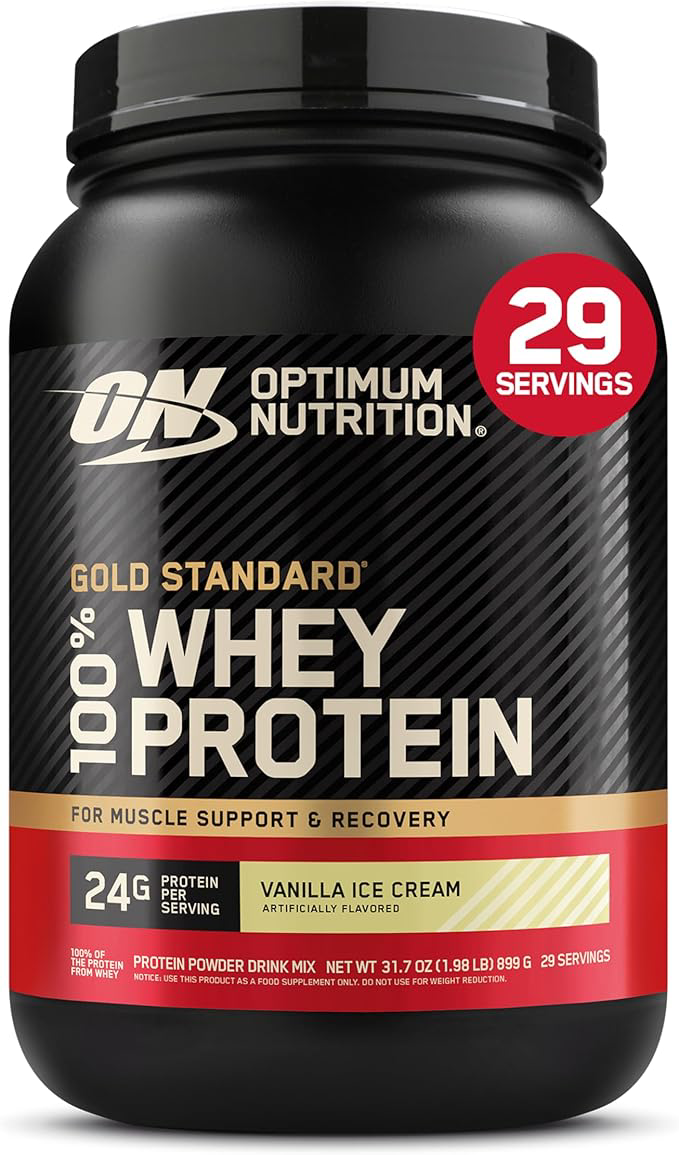
The supplement industry heavily promotes protein powders as an indispensable tool for anyone looking to get fit or build muscle. In reality, they are a convenience, not a necessity. Whole foods like Greek yogurt, cottage cheese, eggs, chicken, fish, lentils, and tofu can more than meet your protein requirements.
Protein powders shine in specific situations: when you're struggling to hit your protein targets through food alone, when you need quick and portable nutrition post-workout, or when you have a poor appetite. They are a supplement to a diet, not a foundation. Relying on them can mean missing out on the other nutritional synergies found in whole foods. Before investing in a tub, assess your daily diet—you might already be getting plenty.
Navigating protein information requires sifting through the hype to find the substance. By focusing on consistent, adequate intake from diverse sources and aligning your choices with your overall health and activity level, you can support your body's needs without falling for common misconceptions. When in doubt, a registered dietitian can provide personalized guidance to cut through the noise.