For decades, dietary fat was the ultimate villain in the story of nutrition. We were told to cut it out, count every gram, and choose “low-fat” everything. But the science has evolved, and our understanding of fat has undergone a profound shift. We now know that certain fats are not just permissible but are essential for our health, playing critical roles in brain function, hormone production, and nutrient absorption.
Yet, the shadow of those old messages lingers, creating confusion and perpetuating myths that can keep us from making truly nourishing choices. Let’s clear the air. Here, we address five persistent myths about healthy fats, separating nutritional fact from outdated fiction.
Myth 1: All Fats Are Created Equal
This is perhaps the most fundamental misunderstanding. Labeling all fats as “bad” is like saying all carbohydrates are the same—it ignores the vast difference between a candy bar and a bowl of quinoa. Fats are categorized based on their chemical structure, which determines how they behave in our bodies.
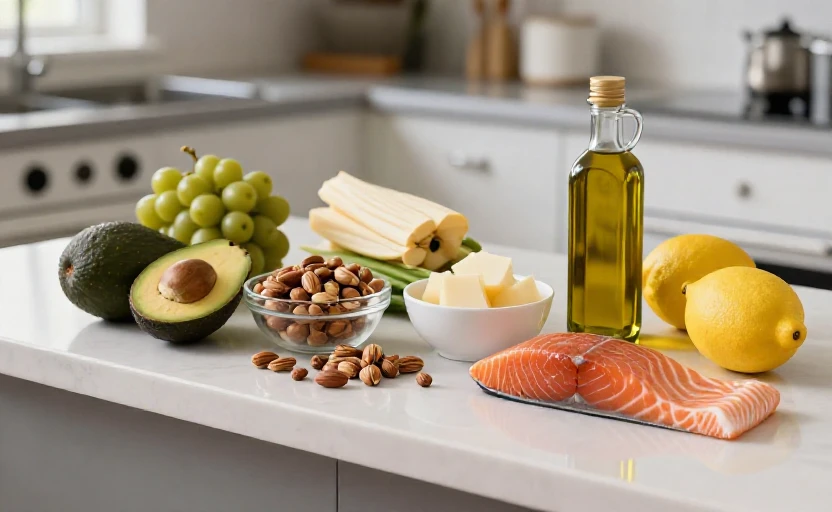
Unsaturated fats are the champions of heart health. Found in foods like avocados, olive oil, nuts, and fatty fish, these fats can help reduce harmful LDL cholesterol and increase beneficial HDL cholesterol. They are anti-inflammatory and support overall cellular health.
Saturated fats, found in red meat, butter, and coconut oil, have a more complex story. While they were once demonized, current research suggests the picture isn't so black-and-white. The source matters greatly. Saturated fat from a processed burger is not equivalent to that from a piece of grass-fed beef or full-fat yogurt. Moderation and context are key.
Trans fats are the unequivocal “bad” fats. Artificially created through a process called hydrogenation to extend shelf life, they are found in many fried foods, margarines, and packaged baked goods. These fats raise LDL cholesterol, lower HDL cholesterol, and promote inflammation. Their consumption should be avoided.
The goal isn’t to fear fat, but to understand its different roles. Prioritizing unsaturated fats is a simple, powerful rule of thumb.
Myth 2: Eating Fat Makes You Fat
This myth stems from a simple, but flawed, equation: fat has more than twice the calories per gram than protein or carbohydrates. Therefore, eating fat must lead directly to weight gain. However, human metabolism doesn’t work on such a simplistic ledger system.
Healthy fats are incredibly satiating. They slow down digestion, helping you feel fuller for longer after a meal. This can naturally lead to eating fewer calories overall because you’re less likely to experience cravings or reach for snacks an hour later. A breakfast of eggs and avocado, for instance, will sustain you far more effectively than a fat-free muffin.
Furthermore, fats are essential for the absorption of fat-soluble vitamins (A, D, E, and K). A salad drizzled with olive oil isn’t just adding flavor; it’s unlocking the nutritional potential of the vegetables, allowing your body to actually use the vitamins you’re consuming. Cutting out fat can inadvertently lead to nutrient deficiencies.
Myth 3: “Low-Fat” or “Fat-Free” Labels Mean Healthier
The low-fat craze of the 80s and 90s gave birth to a supermarket aisle full of products boasting these labels. But when fat is removed from a food, something has to be added back to make it palatable—usually sugar, refined carbohydrates, or artificial thickeners.
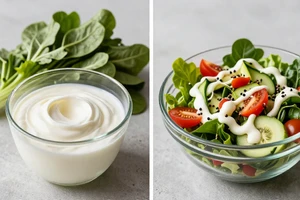
Take fat-free yogurt. To compensate for the lost texture and flavor, manufacturers often add significant amounts of sugar or artificial sweeteners. You end up with a product that may be lower in fat but is higher in ingredients that can spike blood sugar and contribute to inflammation. You’re often better off choosing a plain, full-fat version and adding your own fruit for sweetness.
This principle applies across the board. The “low-fat” label is a marketing term, not a health guarantee. Always check the ingredients list. If sugar or a long list of unpronounceable substitutes appears where the fat used to be, you haven’t found a healthier option.
Myth 4: You Should Avoid Cooking with Oil at High Heat
It’s true that not all oils are suited for high-heat cooking methods like searing or frying. When an oil is heated past its “smoke point,” it begins to break down, producing harmful free radicals and losing its nutritional value. However, this doesn’t mean you should avoid cooking with oil altogether.
The key is matching the oil to the task. Some fats are remarkably stable at high temperatures.
- Avocado oil and refined coconut oil have very high smoke points, making them excellent for searing, stir-frying, and roasting.
- Extra virgin olive oil has a lower smoke point and is best used for medium-heat sautéing, drizzling over finished dishes, or in salad dressings where its flavor can shine.
- Oils high in polyunsaturated fats, like flaxseed or walnut oil, are very delicate and should never be heated; use them strictly for cold applications.
Using a stable, healthy fat for cooking can help you create delicious, nutrient-rich meals without fear.
Myth 5: Saturated Fat Is the Primary Cause of Heart Disease
This was the cornerstone of dietary guidelines for years, but modern research has nuanced this claim. While reducing saturated fat can lower LDL cholesterol, it’s not the sole—or even primary—culprit for everyone. The overall quality of your diet and lifestyle plays a far greater role.
Replacing saturated fats with refined carbohydrates and sugar—as many did during the low-fat era—is now understood to be more harmful to heart health. A diet focused on whole foods—plenty of vegetables, fruits, whole grains, lean proteins, and healthy fats—is more protective than fixating on a single nutrient.
Think of it as the big picture. Chronic inflammation, driven by excessive sugar intake, processed foods, and a lack of physical activity, is a major driver of heart disease. Including anti-inflammatory foods rich in unsaturated fats, while enjoying saturated fats in the context of a balanced diet, is a more effective approach than outright elimination.
Putting It Into Practice
Shifting your mindset is the first step. Instead of seeing fat as an enemy, view it as a essential tool for building meals that satisfy and nourish. Add a handful of nuts to your oatmeal, use olive oil in your vinaigrette, enjoy a piece of fatty fish twice a week, and savor the creaminess of an avocado without guilt. By debunking these myths, you can make room for fats that truly support your long-term well-being.