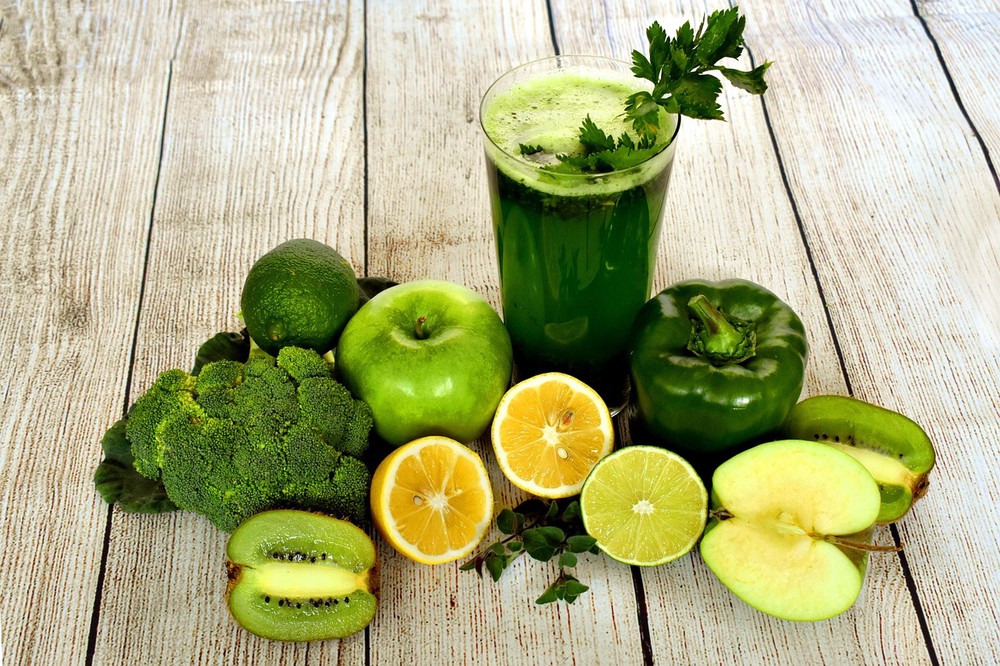
You eat your greens, load up on berries, and maybe even reach for that acai bowl with a sense of quiet virtue. But somewhere between the wellness headlines and the supplement aisle, a lot of confusion has built up around antioxidants. It is easy to assume that more is always better, that all antioxidants work the same way, or that a single superfood can undo a week of poor choices. Let's clear the air. Here are five myths about antioxidants that even the most well-intentioned healthy eaters tend to believe.
Myth 1: All antioxidants are created equal
This is probably the most common misunderstanding. We talk about antioxidants as if they are one uniform team of molecules that all march into the body and fight free radicals the same way. In reality, antioxidants are a diverse family. Vitamin C is water-soluble and works in the fluids inside and outside your cells. Vitamin E is fat-soluble and protects cell membranes. Flavonoids, carotenoids, and selenium each have their own chemical personalities and preferred hangouts in the body. If you only eat oranges for vitamin C, you are missing out on the protective web that a varied diet provides. The real power comes from the orchestra, not a single instrument.
Myth 2: More antioxidants are always better
It feels intuitive: free radicals are bad, antioxidants are good, so load up. But the body runs on balance. Free radicals are not villains; they are natural byproducts of metabolism and even play roles in immune function and cellular signaling. When you flood the system with very high doses of isolated antioxidants, especially through supplements, you can actually blunt some of the body's own adaptive responses. Exercise, for example, creates a brief spike in free radicals that signals your cells to build stronger defenses. Taking megadoses of vitamin C or E right before a workout can blunt that signal. Whole foods deliver antioxidants in a matrix that the body handles gracefully. Isolated high-dose supplements do not always play by the same rules.
A quick caveat: The concerns about excess apply mainly to high-potency supplements, not to eating more spinach or blueberries. Whole food sources rarely cause overload because they come packaged with fiber and a balanced nutrient profile.
Myth 3: You can spot an antioxidant-rich food by its color
It is true that many deeply colored fruits and vegetables—think blueberries, beets, and purple cabbage—pack a serious antioxidant punch. But color is not a guarantee, and plenty of pale or neutral foods are heavy hitters too. Mushrooms, for instance, contain ergothioneine, a unique amino acid with powerful antioxidant properties. Onions, which are white or yellow, are rich in quercetin. Even coffee and dark chocolate, both brown, score remarkably high on antioxidant capacity tests. Conversely, some brightly colored processed foods may contain synthetic dyes but very few actual antioxidants. Use color as a helpful nudge, not a strict rule.
Myth 4: Antioxidant supplements can replace a healthy diet
The supplement industry would love you to believe that a capsule can do the job of a salad. But the evidence tells a different story. Large-scale clinical trials on beta-carotene, vitamin E, and selenium supplements have mostly failed to show the protective benefits seen in people who eat diets rich in those nutrients. In some cases, supplements even increased risks. The likely reason is synergy. A whole tomato delivers lycopene alongside dozens of other phytochemicals, fiber, and minerals that work together. Pull out just the lycopene and put it in a pill, and the magic often disappears. Supplements have their place—for diagnosed deficiencies, specific medical conditions, or when a doctor recommends them—but they are not a shortcut around real food.
Myth 5: High ORAC scores mean a food is best for you
The ORAC (Oxygen Radical Absorbance Capacity) scale became popular as a way to measure how well a food neutralizes free radicals in a test tube. It made for great labels and easy marketing: high numbers meant superfood status. The trouble is that the test tube is not your bloodstream. The body absorbs, metabolizes, and uses these compounds in ways that a laboratory assay cannot predict. Furthermore, the USDA removed its ORAC database years ago because the scores did not correlate well with health outcomes. A high ORAC food might still be nutritious, but chasing a number on a chart is not a reliable path to better health. Focus on overall dietary patterns instead.
At the end of the day, antioxidants are valuable allies, but they work best as part of a varied, balanced diet—not as heroes to be maxed out or ranked. Eat a rainbow, yes, but also remember that garlic, onions, mushrooms, coffee, and dark chocolate have their own quiet strengths. The science keeps evolving, and the best strategy remains simple: eat real food, mostly plants, and not too much of any one thing.