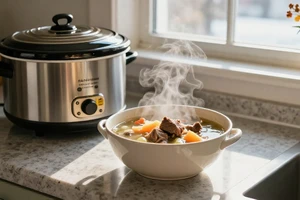
Slow cookers are a lifesaver for busy home cooks, especially when you are committed to a vegetarian or plant-based diet. The promise of coming home to a fully cooked, aromatic meal after a long day is hard to beat. However, meal-prepping vegetarian slow cooker meals comes with its own set of challenges. Unlike meat, vegetables and plant proteins can turn mushy, bland, or watery if handled the same way.
Whether you are a seasoned meal-prepper or just starting out, avoiding a few common pitfalls can be the difference between a delicious, hearty stew and a sad, soggy disappointment. Here are the five most frequent mistakes people make when prepping vegetarian slow cooker meals, and how to fix them.
1. Adding Tofu (and Other Soft Proteins) Too Early
Tofu is a fantastic source of plant-based protein, but it is notoriously delicate in a slow cooker. The source material highlights that tofu is made by curdling soy milk and has a high protein content, making it a great meat substitute. However, if you toss a block of tofu into your slow cooker at the start of an 8-hour cook cycle, you will end up with a spongy, rubbery, or disintegrated mess. The long, moist heat breaks down its structure.
The fix: Treat tofu as a late-stage addition. For the best texture—especially if you want it crispy—the source recipe for Shawarma-Spiced Tofu suggests roasting it in the oven at 425°F until browned and crispy, then adding it to the slow cooker during the last 15–30 minutes of cooking, or simply stirring it in just before serving. If you want to cook it in the slow cooker from the start, use extra-firm tofu that has been pressed and frozen (then thawed) to create a chewier, more meat-like texture that holds up better. Other delicate proteins like paneer or soft tempeh benefit from the same treatment.
2. Overcooking Leafy Greens and Broccoli
Leafy greens like spinach, kale, and chard, along with tender vegetables like broccoli and peas, are common additions to vegetarian slow cooker meals. The source mentions using broccoli in a Chilly Garlic Tofu recipe, noting it should be steamed separately. If you add these ingredients to the pot at the beginning, they will dissolve into a dark, sludgy mush with a bitter taste. Broccoli becomes sulfurous and unpleasantly soft.
The fix: Add delicate greens and quick-cooking vegetables only during the last 30 minutes of cooking. For heartier greens like kale or collards, you can add them at the start, but they will be very soft. A better method, as shown in the Tripura Style recipe, is to parboil firm vegetables (like green beans) before adding them to the slow cooker for just the final hour, or stir them directly into the hot pot right before serving. This preserves their color, texture, and nutrients.
3. Using Too Much Liquid (The Soggy Vegetable Trap)
One of the biggest differences between cooking meat and vegetables in a slow cooker is moisture release. Meat releases fat and juices, but vegetables—mushrooms, onions, zucchini, eggplant, bell peppers—release a surprising amount of water as they cook. If you follow a standard meat-based recipe's liquid ratio, your stew or curry will turn out watery and bland.
The fix: Cut the liquid (broth, coconut milk, sauce) by at least a third when adapting a non-vegetarian recipe. Start with just enough liquid to barely cover the bottom of the pot. The vegetables will provide the rest. For dishes like the Asian Stir Fried Tofu Salad (which is more of a skillet dish), a slow cooker would require very minimal liquid—just a splash of soy sauce or broth. After cooking, if the sauce is too thin, you can thicken it with a cornstarch slurry (1 tablespoon cornstarch mixed with 2 tablespoons cold water) stirred in during the last 15 minutes of cooking.
4. Adding Dairy and Creamy Elements Too Early
Many vegetarian slow cooker recipes call for creamy elements like Greek yogurt, milk, or cheese. The source's Quesadilla recipe uses almond milk, and the Shawarma wrap includes Greek yogurt. Adding these at the beginning of a long cook is a recipe for disaster. Dairy milk (and many plant-based milks) will curdle and separate, turning your beautiful sauce into a grainy, cottage-cheese-like mess. Even full-fat coconut milk can separate if boiled for too long.
The fix: Stir in dairy or cream at the very end of the cooking cycle. For example, the source suggests stirring garlic into yogurt for the pita wraps—this should be done just before assembly. For creamy soups or curries, turn the slow cooker off and stir in your yogurt, cream, or cheese. Let it sit for 5 minutes with the lid on to warm through; do not let it come back to a boil. If using almond milk or oat milk for a creamy base, add it in the last hour to prevent curdling.
5. Skipping the Sauté for Aromatics and Spices
It is tempting to dump everything in the slow cooker and walk away. But the source's recipes repeatedly show the importance of a quick stovetop step: toasting sesame seeds, sautéing garlic with salt and pepper until fragrant, and stir-frying vegetables before adding them to the final dish. When you skip this step, you miss out on the deep, complex flavors that make vegetarian food satisfying. Raw garlic, onions, and spices can taste harsh or flat after hours of slow cooking.
The fix: Take just 5–10 minutes to sauté your aromatics (onions, garlic, ginger, chili) in a hot pan with a little oil until they are fragrant and softened before adding them to the slow cooker. For whole spices like coriander, cumin, or cinnamon (as in the Shawarma-Spiced Tofu), toast them in the dry pan for 30 seconds to unlock their oils. This small step—known as blooming—is the secret to rich, restaurant-quality flavor in a slow cooker meal.
Quick tip for meal preppers: You can sauté your aromatics in bulk and portion them into freezer bags with your pre-chopped vegetables and tofu for grab-and-go slow cooker kits. Just remember to add your dairy and delicate greens on the day you cook.