Shifting from a fear of fat to embracing it is one of the most positive changes you can make for your health. Healthy fats support hormone production, brain function, and the absorption of fat-soluble vitamins. However, the way you add these fats to your plate matters just as much as the choice to include them. Many well-intentioned eaters stumble into a few predictable pitfalls that can undermine their goals.
Here are five of the most common mistakes people make when incorporating healthy fats into meals, along with practical ways to avoid them.
1. Assuming all oils are interchangeable
It is easy to view the oil shelf as one uniform category, but cooking oils differ significantly in their chemical structure and heat tolerance. Reaching for extra-virgin olive oil to sear a steak or stir-fry vegetables is a classic misstep. Olive oil contains delicate polyphenols and a low smoke point; when overheated, those beneficial compounds break down and can form potentially harmful free radicals.
For high-heat cooking (sautéing, roasting above 375°F, or grilling), choose oils with higher smoke points such as avocado oil, refined coconut oil, or grapeseed oil. Reserve your quality extra-virgin olive oil and nut oils for dressings, drizzling over finished dishes, or gentle low-heat cooking.
2. Adding fat without recalibrating the rest of the meal
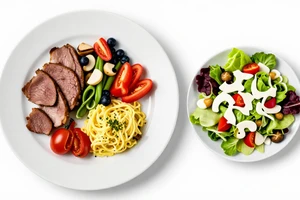
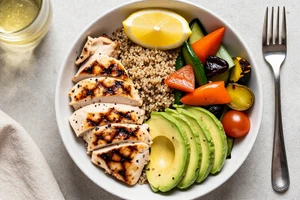
Healthy fats are nutrient-dense and calorie-dense, which is exactly why they are satisfying. The problem arises when you layer avocado slices, a nut-heavy dressing, and a spoonful of chia seeds onto a bowl that already contains plenty of carbohydrates and protein. You end up with a meal that may be far higher in total calories than you intended, even if every ingredient is wholesome.
A better approach is to design the plate with fat as an intentional component, not an afterthought. If you add half an avocado, consider reducing the grain portion slightly. If you drizzle a tahini dressing, cut back on another calorie-dense topping. The goal is balance, not deprivation. You want fats to replace other energy sources in the meal, not simply pile on top of them.
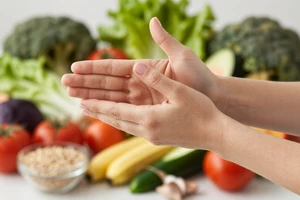
Quick tip: Use your palm as a guide. A serving of nuts is roughly one handful. A serving of oil or nut butter is about the size of your thumb. Keep these portions in mind as you build your plate.
3. Relying almost exclusively on one type of fat
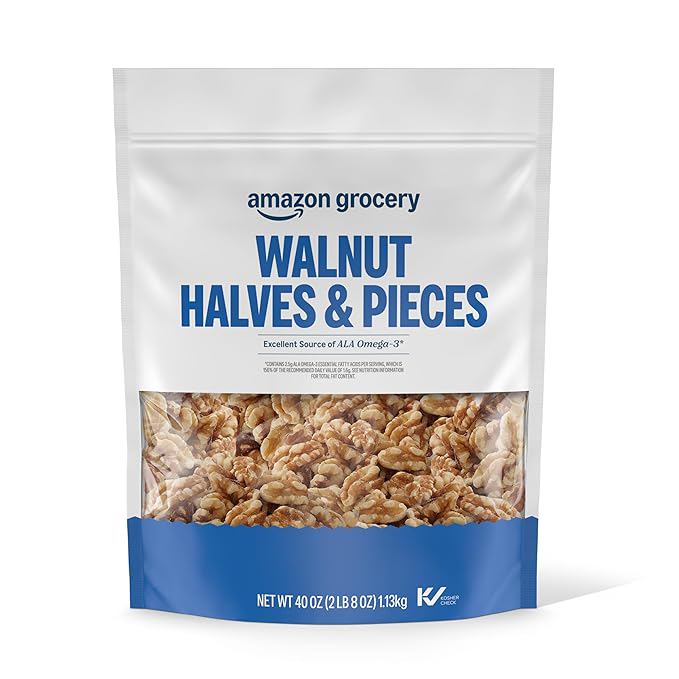
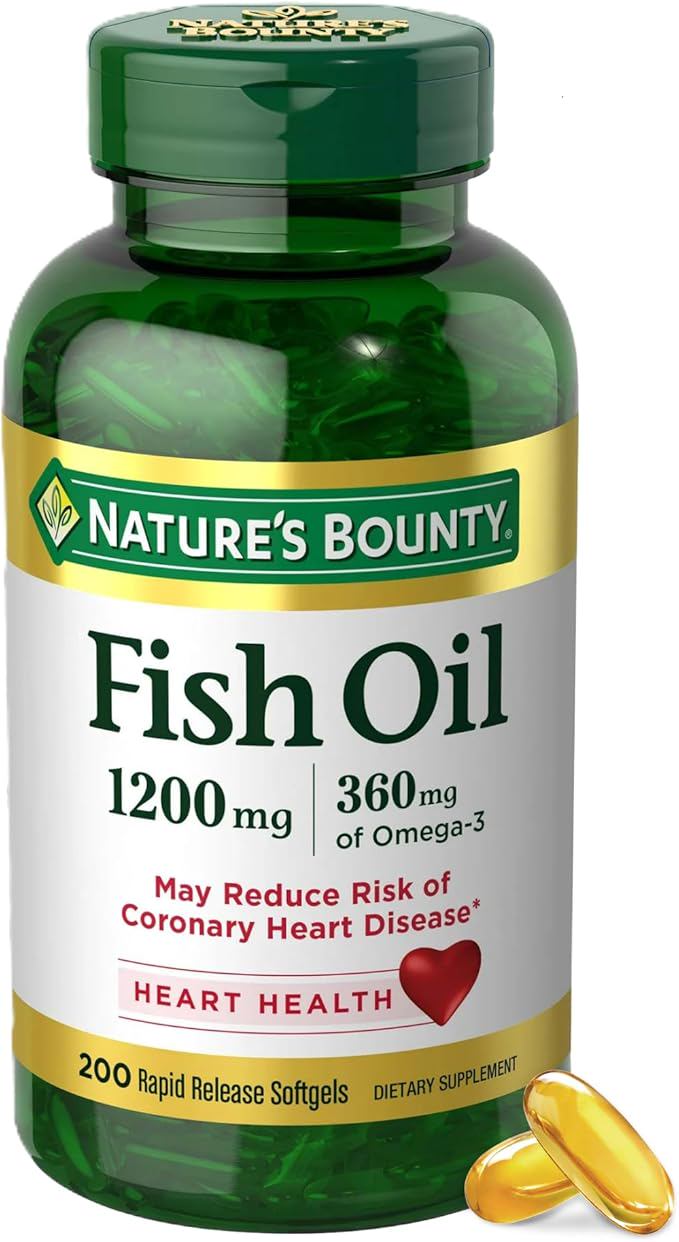
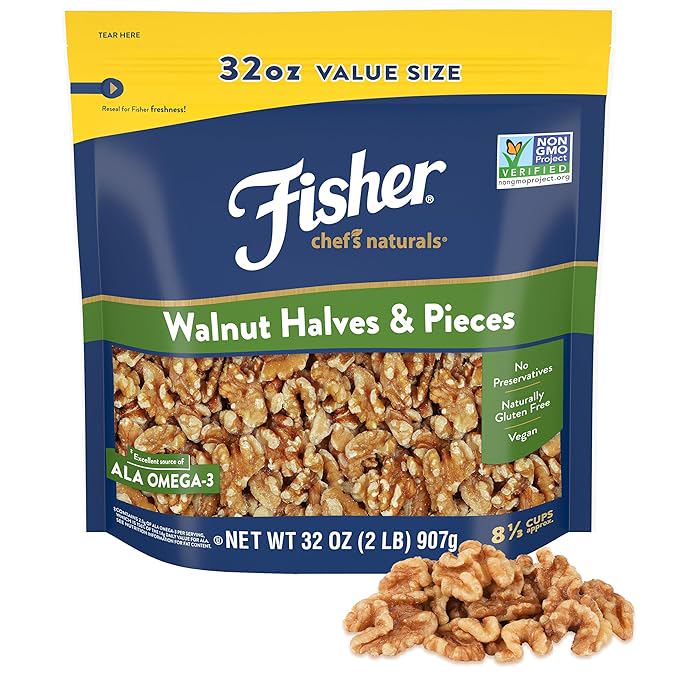
Monounsaturated fats from olive oil and avocados get most of the glory, but they are only one piece of the puzzle. If your diet consists almost entirely of these sources, you may be missing out on the omega-3 fatty acids found in walnuts, flaxseeds, and fatty fish, as well as the medium-chain triglycerides (MCTs) in coconut products. A narrow fat profile can leave gaps in your nutritional intake, particularly for anti-inflammatory support.
Rotate your fat sources throughout the week. Use avocado on your lunch wrap, cook dinner with coconut oil, snack on a handful of walnuts, and add a serving of salmon or sardines twice per week. Diversity in fat sources supports a wider range of physiological functions and prevents you from falling into a monotony that can lead to nutrient deficiencies.
4. Skimping on fat in the name of calories
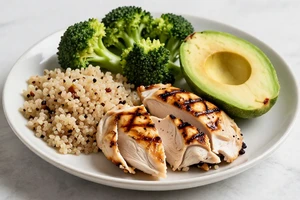
After learning about portion control, some people swing too far in the opposite direction. They end up eating meals that are almost fat-free: grilled chicken breast on a bed of greens with a splash of vinegar, or oatmeal made with water and a few berries. These meals may be low in calories, but they are also low in satiety. Without fat, many people feel hungry again within an hour or two, leading to afternoon grazing or overeating later in the day.
Fat slows gastric emptying and signals fullness to the brain. Including a moderate amount of healthy fat at each meal—about one to two tablespoons of oil or a quarter of an avocado—can actually help you eat fewer total calories overall by keeping you satisfied. Do not be afraid of fat; learn to use it strategically for appetite control.
5. Ignoring hidden sources of unhealthy fats
It is easy to feel virtuous about drizzling avocado oil on your salad while overlooking the less obvious sources of low-quality fats in your diet. Many processed foods—salad dressings, crackers, protein bars, and restaurant meals—contain refined seed oils (soybean, corn, cottonseed, or sunflower oil) that are high in omega-6 fatty acids and often damaged by high-heat processing. These fats can contribute to an inflammatory imbalance, especially when consumed in large amounts.
Read labels on packaged items. When you buy a bottled dressing or a pre-made hummus, check the ingredient list. If it lists soybean or canola oil as the first ingredient, that bottle is a stealth source of unhealthy fat, even if the label says "natural" or "plant-based." Make your own dressings at home using olive oil and vinegar, and choose whole-food snacks over processed ones to ensure the fats you consume are truly the healthy ones.
Incorporating healthy fats into your meals is a smart nutritional strategy, but the details matter. Pay attention to how you cook with oil, balance your plate, vary your sources, and read labels. A few small adjustments can turn a good idea into a sustainable habit that truly supports your wellness goals.