
Calorie counting is a straightforward concept, but the practice is often anything but simple. Many people approach it with diligence, only to find their progress stalling or their efforts feeling unsustainable. The frustration is real: you’re tracking, you’re mindful, yet the scale refuses to budge. Often, the issue isn't the principle of energy balance itself, but subtle, common errors in execution that can quietly undermine your hard work.
Understanding these pitfalls can transform your approach from a rigid numbers game into a more effective, sustainable tool for health. Let’s look at the frequent missteps that can slow weight loss, and how to adjust your strategy for better, more consistent results.
Mistake 1: Relying Solely on Generic Database Estimates
It’s tempting to plug “chicken breast” or “apple” into an app and accept the first number that appears. The convenience is undeniable, but these databases are averages, and the actual calorie content of your specific food can vary significantly. A large, sweet apple has more calories than a small, tart one. A chicken breast’s calorie count depends on its exact weight and whether it’s cooked with or without skin and bone.
This reliance on estimates creates a “calorie creep”—small inaccuracies that add up over days and weeks, creating a gap between what you log and what you’re actually consuming. This gap can be enough to halt weight loss.
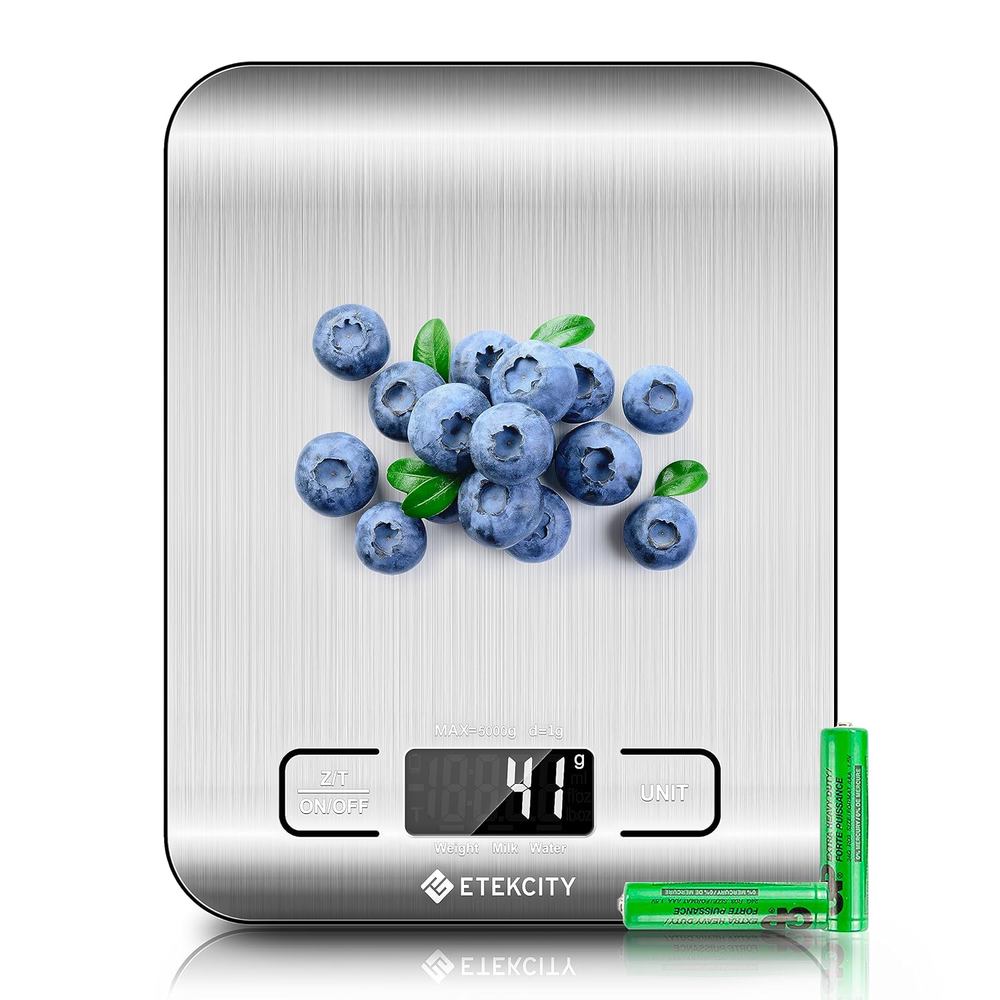
For the most accurate tracking, use a digital kitchen scale for solid foods and measuring cups or spoons for liquids, especially oils and dressings.
Weighing food in its raw or unprepared state is often the gold standard, as cooking methods can change weight through water loss. Taking this extra minute to measure can provide the precision that generic entries lack.
Mistake 2: Overlooking the Calories in Drinks, Condiments, and Cooking Oils
This is the classic “hidden calories” scenario. You meticulously log your grilled salmon and broccoli but forget the tablespoon of olive oil it was cooked in (about 120 calories). You account for your salad but not the two tablespoons of creamy dressing drizzled on top (often 150+ calories). Your afternoon latte, the splash of cream in your coffee, the sports drink after a workout—these liquid calories provide minimal satiety but can contribute hundreds of unaccounted energy points to your day.
These additions are easy to dismiss because they often accompany “healthy” foods or are consumed mindlessly. Yet, they are dense sources of energy that directly impact your total intake.
- Track every pour and dash: Measure cooking oils, butter, and sauces before you use them.
- Read beverage labels: Note the calories in juices, specialty coffees, alcoholic drinks, and even some plant-based milks.
- Pre-portion condiments: Instead of pouring dressing from the bottle, measure out a serving to avoid underestimation.
Mistake 3: Ignoring the Thermic Effect of Food and Nutrient Composition
Not all calories are metabolized by your body in exactly the same way. This is where the concept of the thermic effect of food (TEF) comes in. TEF is the energy your body expends to digest, absorb, and process the nutrients in your meal. Protein has a much higher thermic effect (20-30% of its calories are used in processing) compared to carbohydrates (5-10%) and fats (0-3%).
If your calorie-counting diet is low in protein and high in processed carbs and fats, you might be consuming the same number of calories as a higher-protein plan, but your net energy intake is effectively higher. Furthermore, protein and fiber promote greater feelings of fullness, which can naturally help regulate appetite and reduce overall calorie intake without constant hunger.
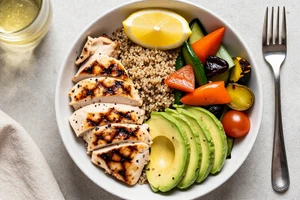
A 400-calorie meal rich in chicken, vegetables, and quinoa will keep you fuller and cost your body more to process than a 400-calorie pastry.
Focusing solely on the calorie number, without considering the source, can lead to choices that are less supportive of satiety and metabolic efficiency.
Mistake 4: Not Adjusting Your Budget as You Lose Weight
Your body is dynamic. As you lose weight, your basal metabolic rate—the calories you burn at rest—naturally decreases. A smaller body requires less energy to maintain itself. The calorie deficit that prompted initial weight loss at 180 pounds will be smaller or non-existent at 160 pounds.
Sticking rigidly to the same calorie target you started with is a primary reason for the dreaded weight loss plateau. Your once-effective deficit has gradually shrunk as your metabolism has adapted.
It’s helpful to recalculate your estimated calorie needs every 10-15 pounds lost. This doesn’t always mean eating drastically less; often, incorporating more daily movement or adjusting macronutrients can help re-establish a healthy deficit without severe restriction.
Mistake 5: Letting Perfectionism Derail Consistency
This might be the most counterproductive mistake of all. The mindset that one unlogged snack, restaurant meal, or “cheat day” has ruined everything can lead to abandoning the effort entirely. Life happens. There will be days where precise tracking is impossible or you choose to enjoy a special occasion without logging every bite.
Perfectionism in calorie counting often leads to an “all-or-nothing” cycle: perfect tracking followed by a perceived failure, then guilt, then giving up. What matters far more than a single day’s perfect log is your consistent effort over weeks and months.
Aim for accuracy 80-90% of the time. The 10-20% of meals that are estimates or untracked will not undo your long-term progress if your baseline habits are solid.
View your calorie budget as a weekly average rather than a strict daily limit. This allows for flexibility—eating a little less on quieter days to accommodate a larger meal out on the weekend, for example. Sustainability is key; a moderately accurate method you can maintain is infinitely more effective than a perfect method you eventually quit.
Calorie counting is a tool, not a verdict. When used thoughtfully—with attention to accuracy, food quality, metabolic changes, and a flexible mindset—it can provide powerful awareness and guide you toward your goals. By sidestepping these common errors, you move from simply counting calories to truly understanding your energy needs, making the process a more effective and less frustrating part of your health journey.