You’ve just finished a solid lifting session. Your muscles feel worked, maybe even a little shaky. That feeling is the result of microscopic damage to muscle fibers—a normal, necessary part of building strength. This process triggers acute, localized inflammation, your body’s initial repair signal. While this inflammation is part of the growth process, what you eat afterward can significantly influence how efficiently your body manages it, setting the stage for recovery and adaptation.
Choosing foods that help modulate this inflammatory response, rather than exacerbate it, can support muscle repair, reduce soreness, and help you return to your next session feeling ready. It’s not about eliminating inflammation entirely, but about providing your body with the nutrients it needs to navigate the recovery process smoothly.
How does food affect post-workout inflammation?
Intense exercise, especially strength training, creates oxidative stress and temporary inflammation in the worked muscles. This is a biological call to action, drawing nutrients and immune cells to the area to clear out damaged tissue and start rebuilding. The goal of post-workout nutrition isn’t to suppress this vital process completely, but to support it with compounds that can help keep the response appropriate and efficient.
Certain foods contain natural antioxidants and anti-inflammatory compounds. When consumed after exercise, these nutrients can help counter excessive oxidative stress and provide the building blocks for repair without promoting a prolonged, systemic inflammatory state. Think of it as giving your body high-quality materials for the rebuild, while also helping to tidy up the construction site.
Five foods to support your recovery
These foods are valuable additions to a post-lifting meal, not magic bullets. They work best as part of a balanced plate that also includes protein for muscle synthesis and carbohydrates to replenish energy stores.
1. Fatty fish (like salmon or mackerel)
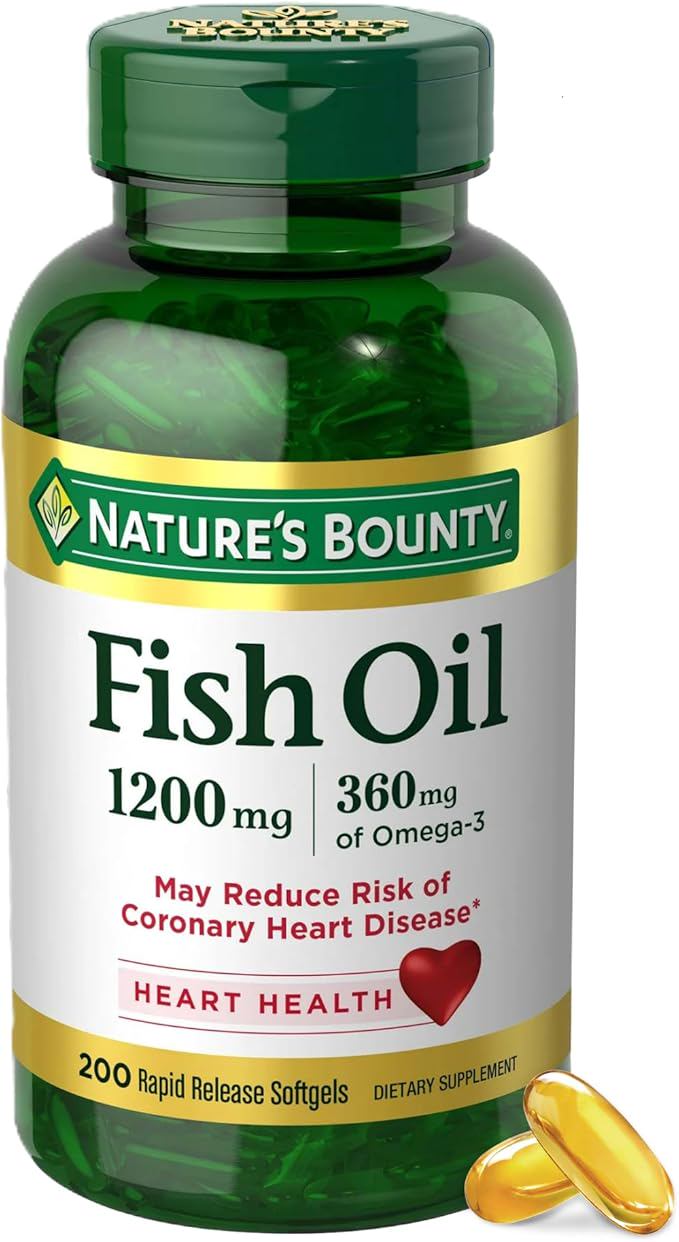
Fatty fish are a premier source of the long-chain omega-3 fatty acids EPA and DHA. These fats are incorporated into cell membranes and are used by your body to produce molecules that actively help resolve inflammation. Research in athletes suggests omega-3s may help reduce muscle soreness and improve range of motion after damaging exercise.
Try a small salmon fillet or a serving of canned sardines mixed into a post-workout grain bowl.
2. Tart cherries or tart cherry juice
Tart cherries, particularly in concentrated juice form, have been studied extensively for exercise recovery. They are rich in anthocyanins, pigments with strong antioxidant and anti-inflammatory properties. Several studies have shown that tart cherry juice can accelerate strength recovery and reduce muscle pain after strenuous resistance exercise.
Since the juice is concentrated, a small glass (about 8 ounces) is sufficient. Look for unsweetened varieties to avoid added sugar.
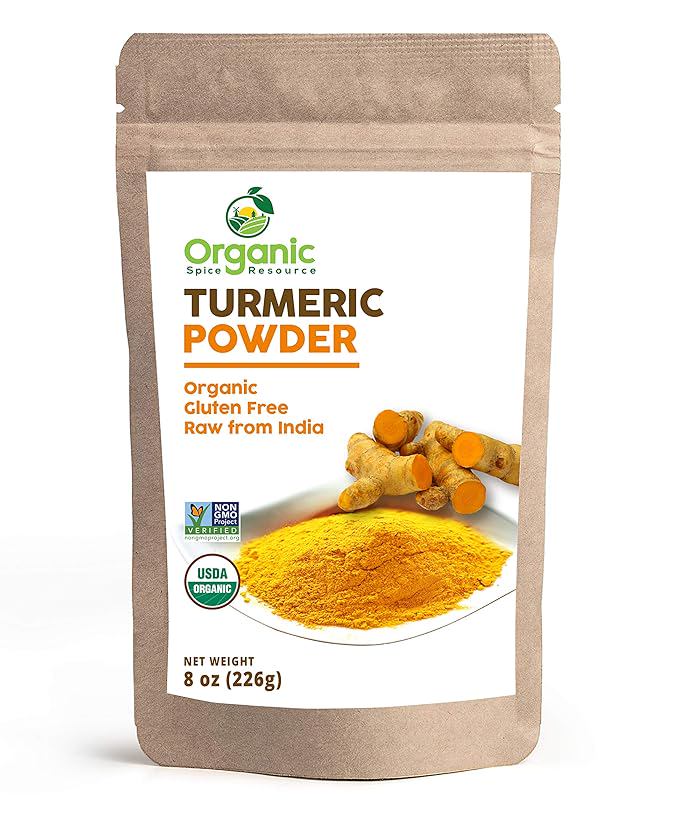
3. Turmeric (with black pepper)
The bright yellow spice turmeric contains curcumin, a compound with well-documented anti-inflammatory effects. The catch? Curcumin is poorly absorbed on its own. Pairing it with black pepper, which contains piperine, enhances absorption significantly.
You can add turmeric to a post-workout scramble, blend it into a savory recovery soup, or stir it into a lentil dish. Always combine it with a pinch of black pepper to make the most of its benefits.
4. Leafy green vegetables (spinach, kale)
Dark leafy greens are packed with a variety of antioxidants, including vitamins C and E, as well as compounds like quercetin and kaempferol. They help combat exercise-induced oxidative stress. They’re also a source of dietary nitrates, which may improve blood flow, potentially aiding the delivery of nutrients to recovering muscles.
They’re easy to add: a large handful of spinach wilts quickly into a post-workout pasta dish, soup, or omelet.
5. Berries (blueberries, strawberries, raspberries)
Berries are antioxidant powerhouses, thanks to their vitamin C and flavonoid content. These compounds help neutralize free radicals produced during intense exercise. Some research indicates that consuming berries can reduce markers of inflammation and oxidative stress after training.
Add a handful to Greek yogurt, blend them into a smoothie with protein powder, or simply enjoy them on the side of your meal.
Building your recovery plate
A food’s anti-inflammatory properties are just one part of the recovery puzzle. The most effective post-lifting meal combines these elements:
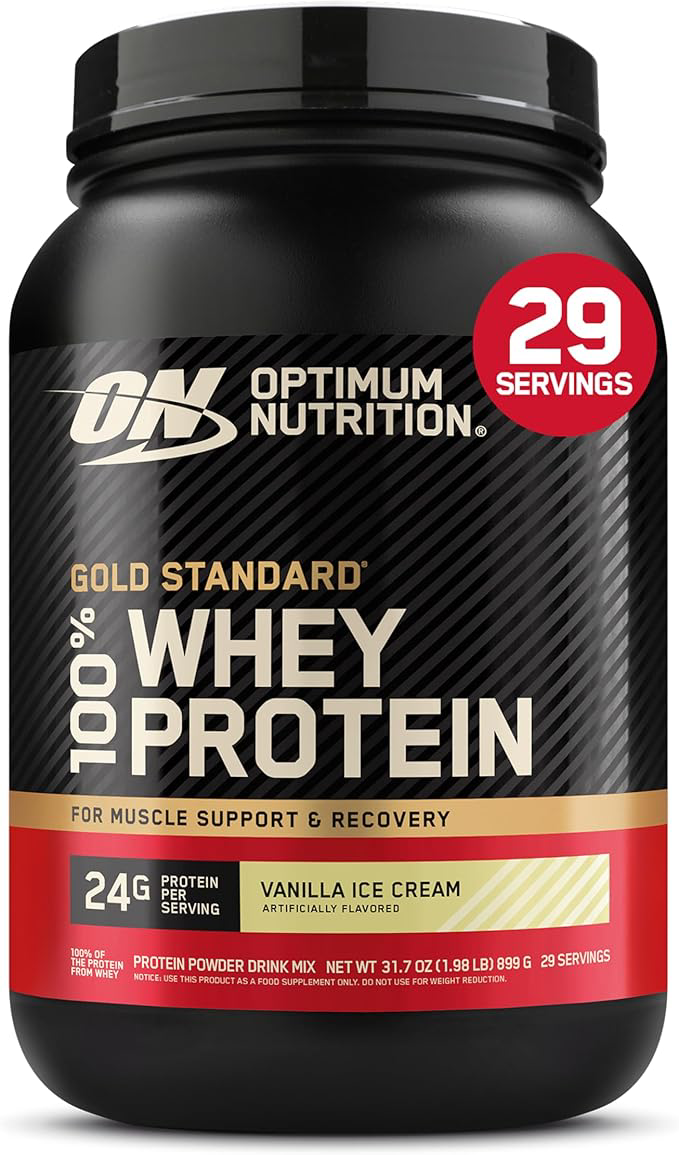
- Protein: Provides amino acids to repair and build muscle tissue (e.g., chicken, eggs, tofu, Greek yogurt, or a protein supplement).
- Carbohydrates: Replenish glycogen stores depleted during your workout and help shuttle nutrients into muscle cells (e.g., sweet potato, quinoa, rice, or whole-grain bread).
- Anti-inflammatory foods: The options listed above, which help manage the inflammatory side of recovery.
- Hydration: Water is essential for every metabolic process, including repair. Don’t neglect it.
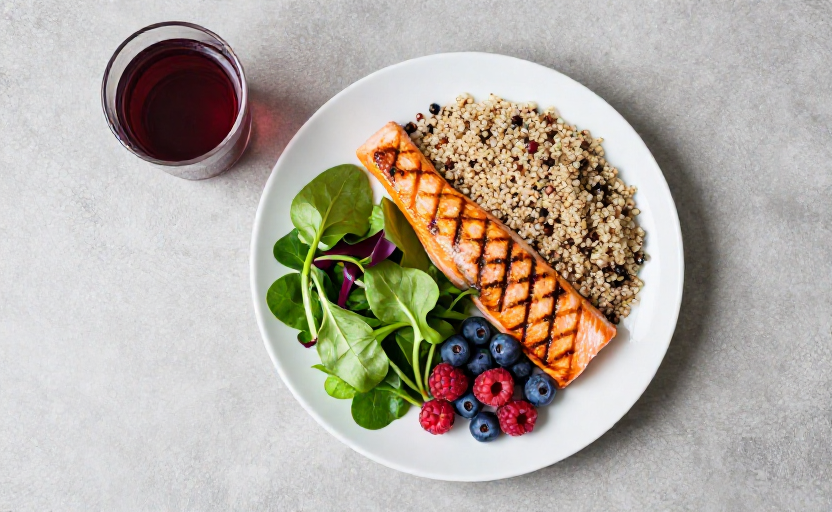
A simple example could be a piece of grilled salmon (protein + omega-3s) over a bed of quinoa (carbs) with a large side of sautéed spinach and kale (leafy greens), topped with a turmeric-black pepper dressing. Follow it with a small serving of mixed berries.
Foods and habits that can hinder recovery
Just as some foods can aid the process, others can promote a more pronounced or prolonged inflammatory state, potentially slowing recovery. It’s wise to limit these shortly after training:
- Highly processed foods: Often high in refined sugars, unhealthy fats, and additives that can promote inflammation.
- Excessive alcohol: Can interfere with protein synthesis and increase inflammatory markers.
- Fried foods: High in advanced glycation end products (AGEs) and fats that may exacerbate oxidative stress.
Consistency in your overall diet matters more than any single meal. Regularly including a variety of whole, nutrient-dense foods creates an internal environment that’s primed for efficient recovery day after day.