When you push your muscles beyond their comfort zone—what trainers call progressive overload—you invite tiny tears in muscle fibers. That burn and stiffness you feel a day or two later is a normal part of getting stronger. But you don't have to just grit your teeth through it. What you eat can influence how quickly your body calms that inflammatory response and rebuilds.
The idea isn't to replace rest, ice, or a sensible training plan. Instead, think of these foods as support crew: they supply the nutrients your system needs to dial down inflammation naturally. Below are five research-backed options that slot easily into a post-workout meal or snack.
Tart cherries and their juice
Tart cherries are one of the most studied foods for exercise recovery. They're packed with anthocyanins—plant compounds that can reduce oxidative stress and inflammation. Several small trials suggest that drinking tart cherry juice after intense training may help lower markers of muscle damage and speed up strength recovery.
You don't need gallons. A single serving of unsweetened tart cherry juice (about 8 to 10 ounces) or a handful of dried tart cherries can do the trick. Mix it into a smoothie with yogurt and banana, or sip it alongside your post-lift meal. Just watch for added sugar in commercial juice blends.
Fatty fish like salmon and mackerel
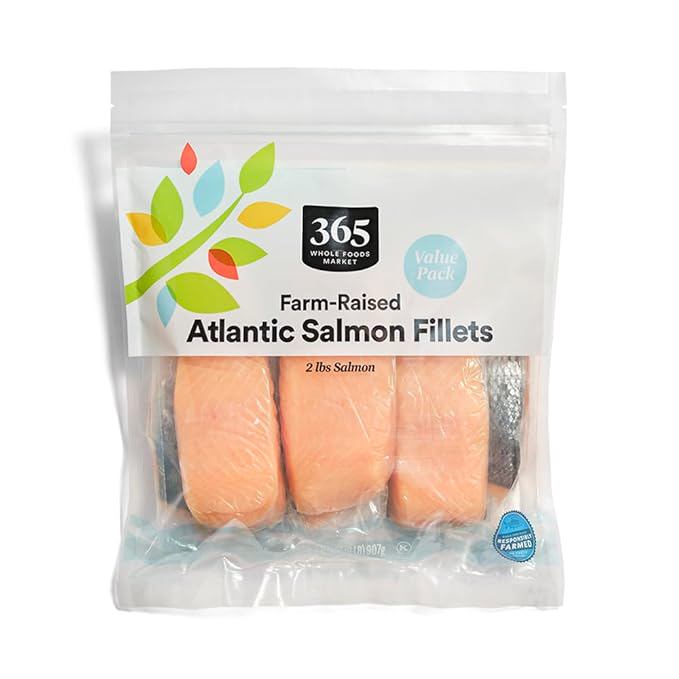
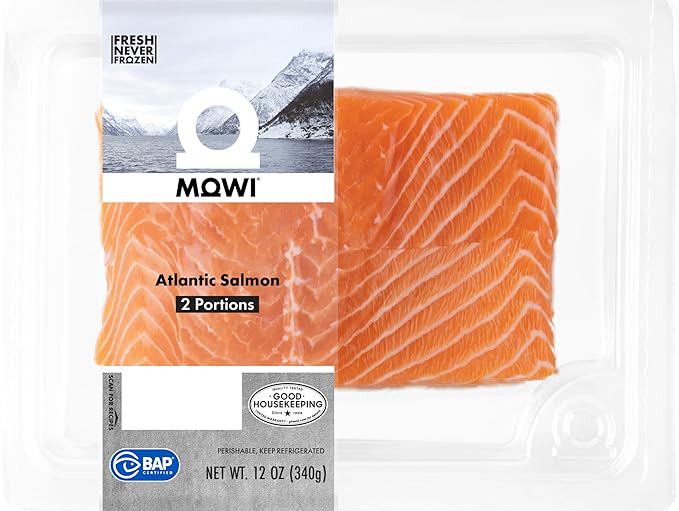
The omega-3 fatty acids EPA and DHA, found abundantly in cold-water fish, are well-known for their anti-inflammatory effects. For muscle soreness specifically, omega-3s may reduce the delayed inflammation that peaks 24 to 48 hours after a hard workout. They also appear to support muscle protein synthesis, which is the process that repairs and builds new tissue.
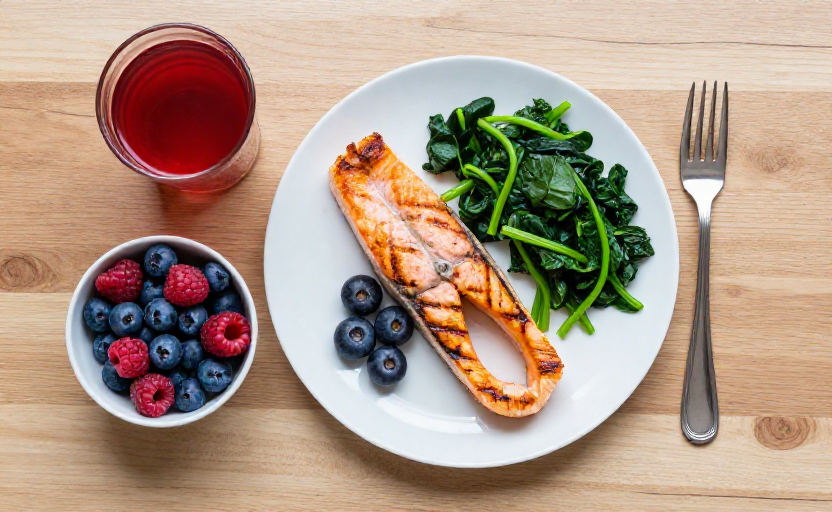
Aim to include two servings of fatty fish per week—a fillet of salmon after a heavy leg day, for instance, or canned mackerel in a lunch bowl. If you don't eat fish, an algae-based omega-3 supplement could be an alternative, but whole food sources offer additional nutrients like vitamin D and selenium.
Leafy greens such as spinach and kale
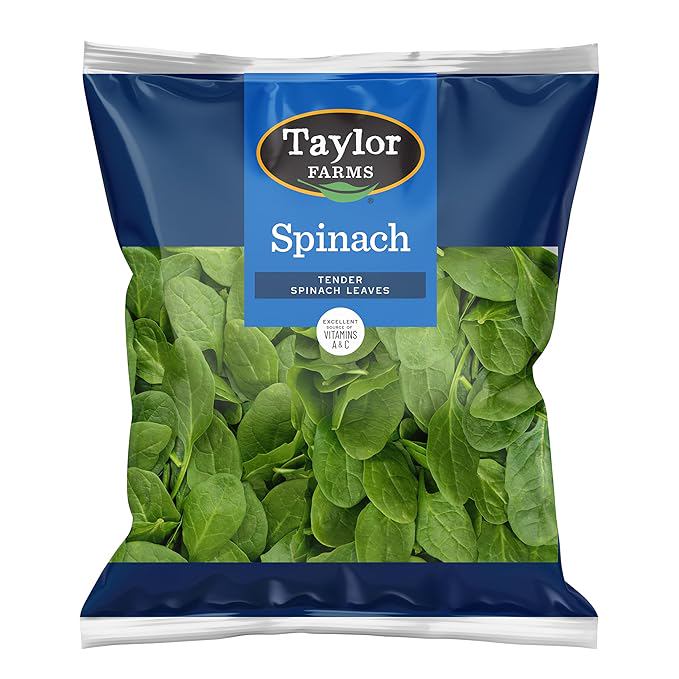
Spinach, kale, Swiss chard, and other dark leafy greens are rich in vitamin K, vitamin C, and a range of antioxidants. Vitamin K is involved in regulating inflammatory pathways, while vitamin C helps protect cells from oxidative stress generated during tough sets.
These greens are also a solid source of nitrates, which some research indicates can improve blood flow and reduce the oxygen cost of exercise. Better circulation means oxygen and nutrients reach sore muscles more efficiently. Toss a big handful into a post-workout smoothie or sauté kale with garlic and olive oil as a side dish.
Ginger and turmeric
These two roots deserve a joint mention. Ginger contains gingerols, and turmeric contains curcumin—both of which have shown anti-inflammatory activity in human trials. A few studies have found that daily ginger supplementation reduced muscle pain after eccentric exercise (the kind that causes the most soreness). Turmeric's effects are similar, though its absorption is greatly improved when eaten with black pepper and a little fat.
You don't need a supplement. Fresh ginger can be grated into stir-fries, steeped as tea, or blended into a smoothie. Turmeric works well in soups, golden milk, or rubbed onto chicken before roasting. A quarter to half a teaspoon of dried spice per serving is enough to make a difference.
Berries: blueberries, strawberries, and blackberries
Like tart cherries, berries are loaded with anthocyanins and other flavonoids that fight inflammation. In a 2012 study, men who ate 250 grams of blueberries daily before and after eccentric exercise showed less oxidative stress and a faster return to normal muscle force compared with a placebo group.
Frozen berries work just as well as fresh, and they're often more affordable. Toss them into oatmeal, yogurt, or a protein shake. The key is consistency—including berries regularly, not just when you feel sore.
While no food can erase the discomfort of a challenging training session, these five can help your body's natural recovery process run more smoothly. Pair them with adequate protein, good sleep, and smart programming, and you'll be ready for your next lift sooner.