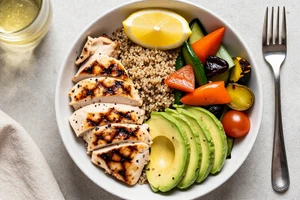

You ordered the grilled chicken salad and skipped the dressing on the side. You feel virtuous, almost smug. Then you wonder why the scale didn't budge the next morning. The truth is, restaurant kitchens operate in a flavor-first universe, and that salad could easily pack more calories than a quarter-pound burger. It is not about paranoia—it is about pattern recognition. Once you know what to look for, you can spot a calorie bomb before it hits your table.
Restaurant food is engineered for profit and taste, not for your waistline. Chefs rely on fat, sugar, and salt because they are cheap and they work. A little extra butter here, a glaze there, and suddenly your "healthy" option is a metabolic landmine. Here are four concrete warning signs that your meal contains far more energy than the menu description lets on.
1. The Menu Uses Code Words for Fat and Sugar
Menu language is designed to seduce. When you see words like "crispy," "battered," "breaded," "glazed," "creamy," or "velouté," you are looking at a calorie multiplier. A chicken breast that is pan-seared might be 200 calories. A chicken breast that is "crispy" is typically dredged in flour or breadcrumbs and shallow-fried, pushing it past 400 calories before you add the sauce. "Glazed" salmon often means a reduction of honey, brown sugar, or maple syrup on top of the oil used to cook it. "Creamy" soups or sauces are almost always built on a roux of butter and flour and finished with heavy cream. The menu is not being poetic—it is being honest in a way you are not trained to read.
Tip: Scan the menu for three adjectives describing one dish. If a single entrée is "crispy," "creamy," and "drizzled," it is probably a 1,000-calorie plate.
2. The Portion Size Looks Like a Serving Platter
Restaurant portions have been supersized for decades, but the problem is that we normalize what we see. A pasta entrée at a typical Italian restaurant often holds three to four servings of noodles. A steakhouse "petite" sirloin is usually eight ounces, which is double the recommended serving size for protein in one meal. The real giveaway is the plate: if the food overhangs the rim, or the pile of rice or fries looks like a small mountain, you are looking at 700 to 1,200 calories before you take a single bite. Your brain says "entrée," but your body registers "feast."
This is not a call to measure food with a scale at dinner. It is a reminder that you can push food to the side and stop when you are satisfied, not when the plate is clean. But the warning sign itself is visual: if it looks like too much food for one person, it almost certainly is.
3. The Salad Is Drowning in Extras
Salads occupy a strange place in the restaurant world. They are ordered by people trying to eat well, but they are often the highest-calorie items on the menu. A Caesar salad with chicken sounds safe until you consider that a traditional Caesar dressing is made with egg yolks, anchovies, Parmesan, and a stream of olive oil—easily 250 to 300 calories in the dressing alone. Then add croutons (100 calories), shaved Parmesan (another 100), and the chicken cooked in butter or oil. You are looking at a 700- to 900-calorie lunch, and that is without the bread basket.
The warning sign here is abundance. If your salad comes with candied nuts, dried fruit, crumbled cheese, bacon bits, a drizzle of creamy dressing, and a side of garlic bread, you have been sold a calorie bomb dressed as health food. Look for salads that list fewer than five ingredients and ask for dressing on the side every time. Even then, use a fork to dab, not pour.
4. The Description Mentions "Drizzled," "Dressed," or "Finished With" Oil or Butter
This is the stealth bomber of restaurant calories. A piece of fish might be grilled and healthy until the chef "finishes" it with a tablespoon of beurre blanc—which is mostly butter. A vegetable medley sounds perfect until it is "drizzled with truffle oil," which adds 120 calories per tablespoon. Even so-called healthy bowls at fast-casual spots often come with a "spicy lime vinaigrette" that is mostly oil and sugar. The word "drizzled" should be a red flag, not a selling point.
High-end restaurants are especially guilty here. They pride themselves on layering flavors, and that often means adding fat at the end of cooking. A roasted chicken breast might have a "pan jus" that is essentially reduced cooking fat and drippings. It tastes incredible, but it is pure fat. If you can ask the server how the dish is finished, do it. Often, you can request that the drizzle or finishing oil be left off entirely without compromising the quality of the main ingredients.
None of this means you should never enjoy a restaurant meal. It means you should walk in with your eyes open. The menu is not a nutritional document—it's a marketing pitch. When you learn to read between the lines, you can make choices that align with your goals without sacrificing the pleasure of eating out. Order smarter, push extras to the side, and remember that you are the one who decides how much goes on your fork.