The oil you reach for when sautéing vegetables or searing a piece of fish might be doing more than just adding flavor. For people keeping a close eye on blood sugar levels, the type of cooking oil you use, how often you reuse it, and even the temperature you heat it to can have a surprising effect on glucose control. Here are four warning signs that your current cooking oil habit could be sending your blood sugar in the wrong direction.
1. You See a Steady Creep in Your Fasting Glucose
If your fasting blood sugar numbers have been inching upward despite otherwise consistent eating and exercise, the oils in your pantry deserve a second look. Many common vegetable oils—soybean, corn, canola, and sunflower—are high in omega-6 polyunsaturated fats. While some omega-6 is necessary, a diet heavy in these oils can tip the body’s balance toward inflammation. Chronic low-grade inflammation is a known contributor to insulin resistance, which makes it harder for your cells to pull glucose out of the bloodstream.
Repeated use of the same bottle of oil for high-heat cooking also creates compounds called advanced glycation end-products (AGEs). These pro-inflammatory molecules are directly linked to impaired insulin signaling. If your fasting glucose is climbing, the oil you’re using every day could be a hidden factor.
2. You Feel a Sluggish Crash After Meals Cooked in Certain Oils
Not all post-meal fatigue is normal. If you notice a pattern—leaden energy, brain fog, or a strong urge to nap within an hour or two of eating foods cooked in certain oils—your body may be struggling with postprandial glucose handling. Oils with a low smoke point, like unrefined flaxseed or walnut oil, break down when heated, forming harmful lipid peroxides. These compounds can stress your cells and blunt the insulin response, leading to a sharper blood sugar spike followed by a hard drop.
Even stable oils can cause trouble if they’re used repeatedly. Each time you heat oil, its chemical structure degrades a little more. Reheating the same oil multiple times (common in deep-frying or stir-frying large batches) creates trans fats and polar compounds that have been shown in studies to reduce insulin sensitivity. If you feel sluggish after fried foods, the reheated oil—not the food itself—might be the culprit.
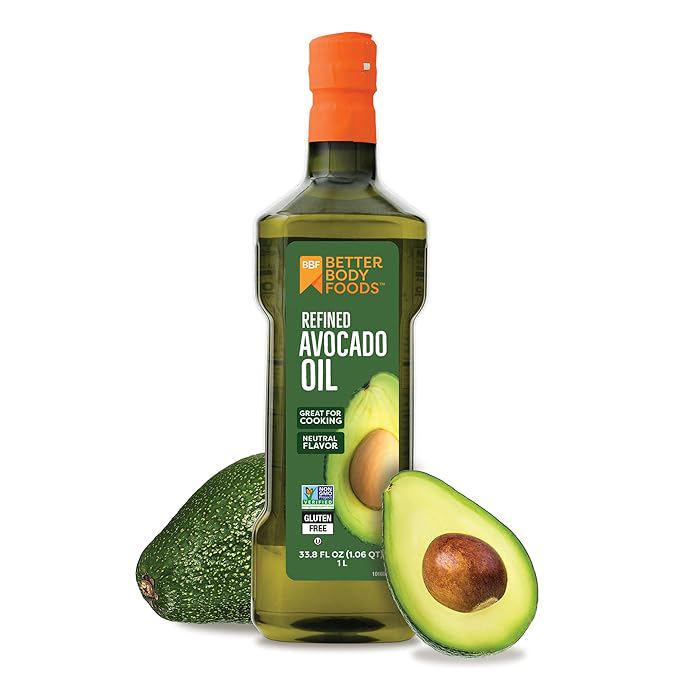
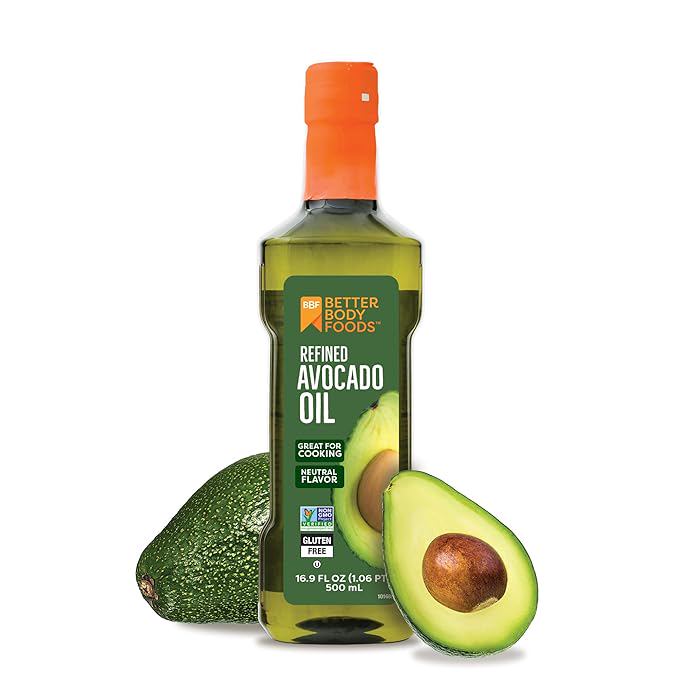
One simple test: cook a meal using fresh, high-smoke-point oil like avocado or coconut oil. If your energy feels steadier afterward, your old oil was likely contributing to the crash.
3. Your Cholesterol Panel Has Taken an Unexpected Turn
Blood sugar and cholesterol are deeply connected. When liver cells become insulin-resistant, they often produce more triglycerides and small, dense LDL particles—a pattern that shows up on a standard lipid panel. If your most recent blood work shows rising triglycerides or a higher ratio of triglycerides to HDL, your dietary fats may be part of the story.
Oils that are partially hydrogenated (or that become hydrogenated during repeated heating) contain trans fats, which are notorious for raising LDL cholesterol and lowering HDL. Even oils labeled “trans-fat-free” can form small amounts of trans fats when heated above their smoke point. This double hit to your lipid profile often accompanies higher fasting glucose, because insulin resistance worsens both fat and sugar metabolism. A worsening cholesterol panel can be an early warning that your cooking oil is stoking inflammation and driving up blood sugar.
4. Your Digestive System Feels Off—Bloating, Heaviness, or Irregularity
Gut health and blood sugar regulation are tightly linked. The gut microbiome influences how efficiently your body extracts calories, how quickly glucose enters the bloodstream, and how well your cells respond to insulin. If your cooking oil is causing gut distress—bloating, a heavy sensation after meals, or changes in bowel habits—it may be setting the stage for blood sugar spikes.
Heavily processed oils can irritate the gut lining and promote the growth of less favorable bacteria. On the other hand, oils rich in anti-inflammatory compounds (like extra-virgin olive oil) may support a healthy microbiome and improve glycemic control. If you feel bloated or uncomfortable after eating food cooked in certain oils, your gut is telling you something. Over time, chronic gut inflammation can compound insulin resistance, making it harder to keep blood sugar stable.
What to Look For on the Label
Choosing a better oil starts with the label. Look for oils labeled “unrefined,” “cold-pressed,” or “expeller-pressed.” These undergo less processing and retain more natural antioxidants that protect the oil from degrading at high heat. Avocado oil, coconut oil, extra-virgin olive oil (for low-to-medium heat), and ghee are generally more stable choices. Check the smoke point of any oil before you cook with it, and never reuse oil that has been heated more than once.
The oil you cook with is a daily variable that can quietly influence your blood sugar, energy, and long-term metabolic health. If you notice any of these four signs—rising fasting glucose, post-meal crashes, a worsening cholesterol panel, or digestive discomfort—your cooking oil choice deserves a second look. A simple swap to a more stable, less processed oil can make a meaningful difference in how your body handles glucose.