Bodyweight training is a fantastic way to build functional strength, improve flexibility, and boost your metabolism without needing a gym membership. Yet, even the most dedicated at-home athlete can fall into a subtle trap: creating muscle imbalances. These imbalances occur when one side of your body or one muscle group becomes disproportionately stronger or tighter than its opposing group. You might not notice it at first, but your body sends clear signals when things get out of alignment. Here are four specific warning signs that your bodyweight routine may be fostering imbalances—and what you can do about it.
You feel one side struggling more than the other
Think about your last set of push-ups or squats. Did you feel your left arm or leg working harder than the right? That feeling of asymmetry is a major red flag. In bodyweight training, where you are lifting your own mass, a strength or coordination discrepancy between sides often becomes apparent. This is especially common in unilateral exercises like lunges, single-leg glute bridges, or side planks.
A consistent strength difference of more than 10-15% between left and right limbs during movements like the single-leg squat or push-up often points to a developing imbalance. Training through this only widens the gap.
To address this, you can use a technique called 'asymmetrical training'—simply perform an extra rep or two on the weaker side during each set. Over a few weeks, this can help even out the strength profile. Also, be mindful of your form: a mirror or a recorded video can reveal subtle shifts in your hips or shoulders that you don't feel.
Your posture has changed (even when not working out)
Bodyweight training places heavy demands on your core, back, and shoulders. If you primarily focus on pushing exercises (like push-ups and dips) and neglect pulling exercises (like inverted rows or pull-ups), you can develop rounded shoulders and a forward head posture. Similarly, overemphasizing quad-dominant exercises (squats, lunges) while skipping hamstring and glute work can lead to an anterior pelvic tilt—a swayback posture. You might notice your shoulders rolling inward or your lower back aching after standing for a while. This is your body adapting to the repetitive stress of your workout, but in an unbalanced way.
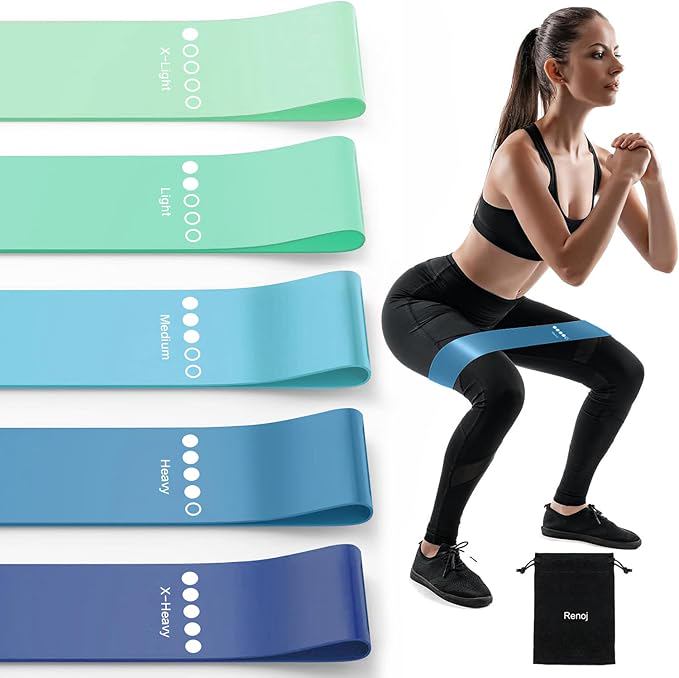
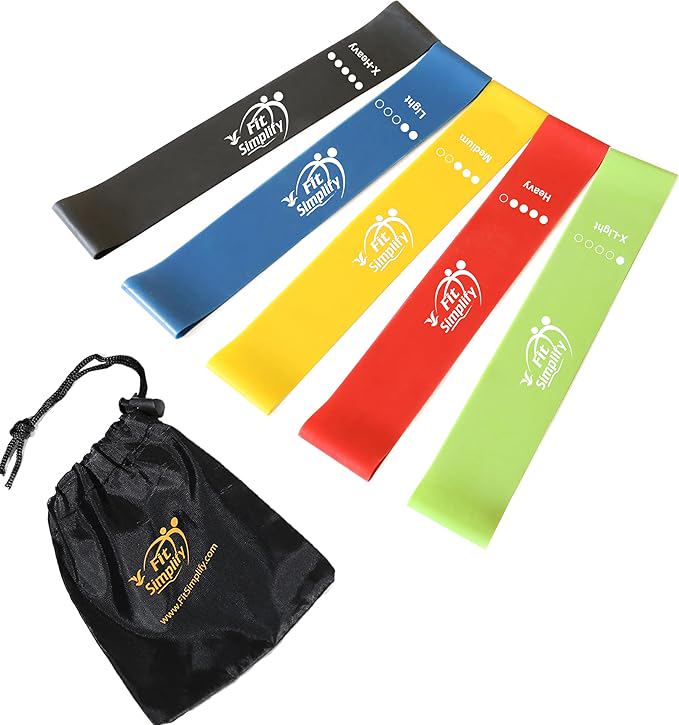
The fix is to audit your routine and ensure you have a 1:1 ratio of push to pull, and quad to glute/hamstring work. For example, for every 100 push-ups you do, aim for 100 inverted rows or band pull-aparts. For lunges, add glute bridges or deadlift variations (even with just bodyweight or resistance bands).
Chronic joint pain—knees, shoulders, or hips
Joint pain is often the loudest signal. When muscles are imbalanced, they pull your joints out of their natural track, causing friction and inflammation. In bodyweight training, common imbalance-induced pains include: knee pain during lunges or squats (often from weak glute medius or tight quads), shoulder clicks or pain during push-ups (from weak rotator cuff or overactive pecs), and hip clicking or tightness during leg raises (from tight hip flexors vs. weak glutes).
If you feel a sharp, localized pain in a joint, stop that movement. This is not a 'good hurt'. Scale back or modify the exercise until your strength and mobility are more balanced. Incorporate daily mobility work for the overactive areas (e.g., hip flexor stretches, chest openers) and activation drills for the underactive muscles (e.g., glute bridges, banded walks).
You're stuck in a performance plateau with recurring niggles
A plateau isn't always about not trying hard enough. Sometimes, your body is protecting itself from an imbalance. For example, if you can't progress from a standard push-up to an archer push-up or a one-arm version, it may be because imbalance in shoulder stability is limiting you. If your pistol squat (single-leg squat) is lopsided, it's not about leg strength alone—it's often about core and hip stability differences. When small discomforts (niggles) keep reappearing in the same spot, week after week, that pattern usually stems from a biomechanical fault. The classic example: persistent lower-back tightness after dead bugs or bird dogs is often due to compensations from weak deep core stabilizers.
The solution is to intentionally regress. Spend two weeks adding dedicated core stability work (e.g., dead bugs, bird dogs, hollow holds) and single-leg drills (single-leg glute bridge, single-leg Romanian deadlift with a slight bend). Treat these with the same focus as your main lifts. Once the niggles fade, your progress will often resume naturally.
Bodyweight training is highly effective, but it's not immune to the same imbalance risks as weighted lifting. Listen to these four warning signs—asymmetry, posture changes, joint pain, and stubborn plateaus with recurring niggles. When you catch an imbalance early, you can correct it with targeted accessory work, increased range-of-motion training, and a more balanced exercise selection. Over time, this leads to a more resilient, better-proportioned physique and a lower risk of injury.