Omega-3 fatty acids are essential fats that play a critical role in everything from brain function to joint health. Unlike some nutrients your body can produce on its own, omega-3s must come from food or supplements. When you are not getting enough, your body often sends clear signals. Recognizing these warning signs early can help you address a deficiency before it leads to more significant health concerns.
Here are four distinct warning signs that may indicate your body is running low on omega-3 fatty acids.
1. Dry, irritated skin or unusual breakouts
Your skin is often the first place a nutrient shortage shows up. Omega-3s help regulate oil production and keep skin cells hydrated. When levels drop, skin can become dry, flaky, or prone to inflammation. Some people also notice small, rough bumps on the back of the arms or an increase in acne breakouts.
If your moisturizing routine is on point but your skin still feels irritated or looks dull, a lack of omega-3s could be the underlying cause. These fats support the skin barrier, which helps lock moisture in and keep irritants out.
2. Persistent joint stiffness or discomfort
Omega-3s are known for their powerful anti-inflammatory properties. When your diet is low in these fats, inflammation can linger longer than it should. This often shows up as stiff, achy joints—especially in the morning or after periods of inactivity.
While joint discomfort can have many causes, a deficiency in omega-3s is a common factor that is often overlooked. The same anti-inflammatory action that supports heart health also helps keep your joints moving smoothly.
3. Brain fog, poor memory, or mood changes
The brain is nearly 60 percent fat, and a significant portion of that is DHA, a type of omega-3. Adequate levels of DHA are essential for maintaining cognitive function, focus, and emotional balance.
When omega-3 levels are low, you might notice it becomes harder to concentrate. You may feel mentally sluggish, forget details more easily, or experience shifts in mood such as increased irritability or low motivation. Some research also links low omega-3 status to a higher risk of mood disorders, including depression and anxiety.
If your mental sharpness is not what it used to be, and you have ruled out sleep or stress issues, a lack of omega-3s could be part of the picture.
4. Fatigue and poor sleep quality
Feeling tired even after a full night's rest can be another subtle clue. Omega-3s are involved in the production of melatonin and other hormones that regulate the sleep-wake cycle. Low levels can disrupt sleep patterns, making it harder to fall asleep or stay asleep.
Additionally, these fatty acids help maintain energy production at the cellular level. When cells are not getting the fats they need, you may feel physically drained or low on stamina throughout the day. If your sleep hygiene is solid but you still wake up groggy, it might be worth evaluating your omega-3 intake.
If you suspect a deficiency, talk with a healthcare provider about getting your levels tested. They can help you determine whether dietary changes or a supplement—such as fish oil—is appropriate for your situation.
How to increase your omega-3 intake
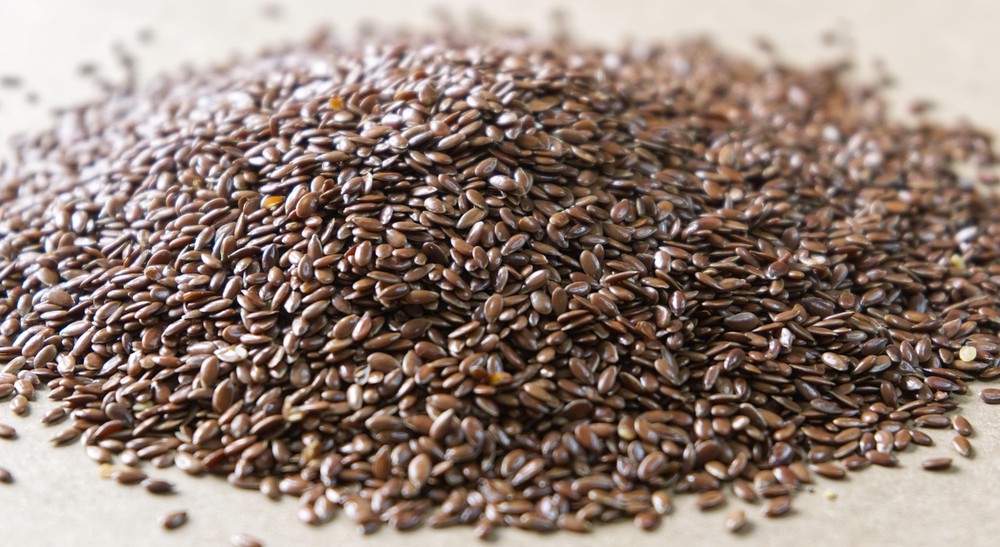
The most direct way to boost your omega-3 levels is by eating fatty fish like salmon, mackerel, sardines, and anchovies at least twice a week. Plant-based sources include flaxseeds, chia seeds, walnuts, and hemp seeds, though the body converts these forms less efficiently. Algae-based supplements are a good option for those who follow a vegan or vegetarian diet.
Small, consistent changes—like adding ground flaxseed to your morning oatmeal or choosing salmon for dinner—can make a meaningful difference over time.
Foods that can help fill the gap
Beyond fish and seeds, several other foods can contribute to your omega-3 totals. Fortified eggs, soybeans, and certain oils such as canola and soybean oil provide smaller amounts. A balanced diet that includes a variety of these sources is the most sustainable way to support long-term health.
If you choose to take a supplement, look for one that provides both EPA and DHA, the two most biologically active forms of omega-3s. Always follow the recommended dosage on the label and consult with your healthcare provider before starting any new supplement regimen.
Understanding what your body is telling you is the first step toward better nutrition. Dry skin, stiff joints, brain fog, and persistent fatigue are not just signs of aging or stress—they may be your body's way of asking for more omega-3s. With a few targeted changes to your diet, you can address the root cause and feel better from the inside out.