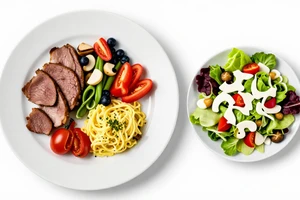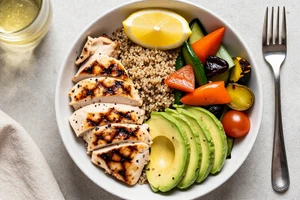

For anyone who has tried to dial in their protein, fat, and carbohydrate intake, the word “tracking” can feel like a full-time job. Weighing chicken breasts, measuring almond butter, logging every last raspberry—it works, but it can also turn mealtime into a spreadsheet. If you want better macronutrient balance without the daily math, small food swaps are a practical middle path. You keep the habits you already have, just exchange a few ingredients.
These four swaps are designed to shift your plate toward more protein, more fiber, or more healthy fats without adding mental overhead. They work for weight loss, muscle maintenance, or steady energy. No grams. No apps. Just smarter choices.
Swap White Rice for Lentils or Chickpeas
White rice is a staple, but it’s almost entirely carbohydrate with minimal fiber or protein. Swapping it for cooked lentils or chickpeas changes the macronutrient profile dramatically. A cup of white rice has around 45 grams of carbs and 4 grams of protein. The same volume of lentils delivers about 40 grams of carbs, 18 grams of protein, and 16 grams of fiber.
This single switch can double or triple the protein content of your bowl while adding slow-digesting fiber that stabilizes blood sugar. You don’t have to cut out rice entirely—start with a 50-50 mix and see how you feel. Lentils work under curries, stews, and grain bowls. Chickpeas hold up well in salads or roasted as a side. The texture is different, but the nutritional payoff is hard to beat.
Try this: Swap half the rice in a stir-fry for steamed lentils. The dish stays filling, but you get a protein boost without changing the flavor profile.
Swap Regular Yogurt for Plain Greek or Skyr
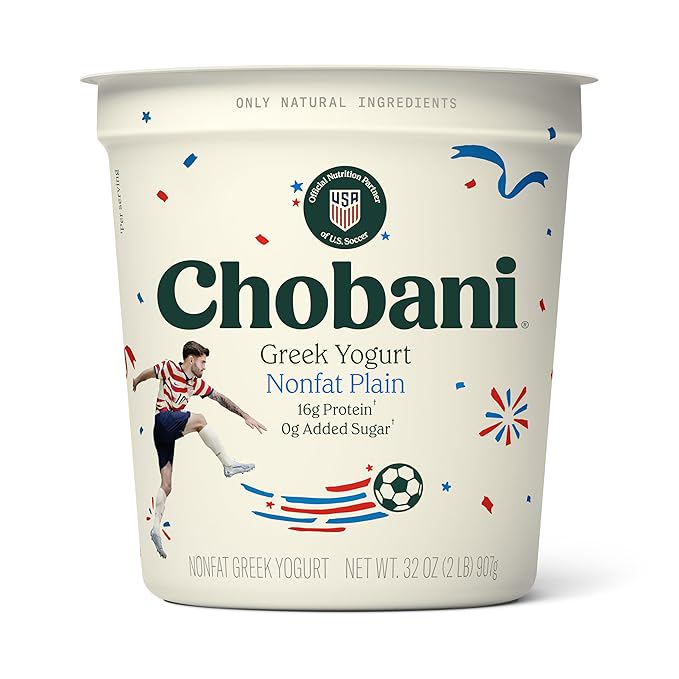
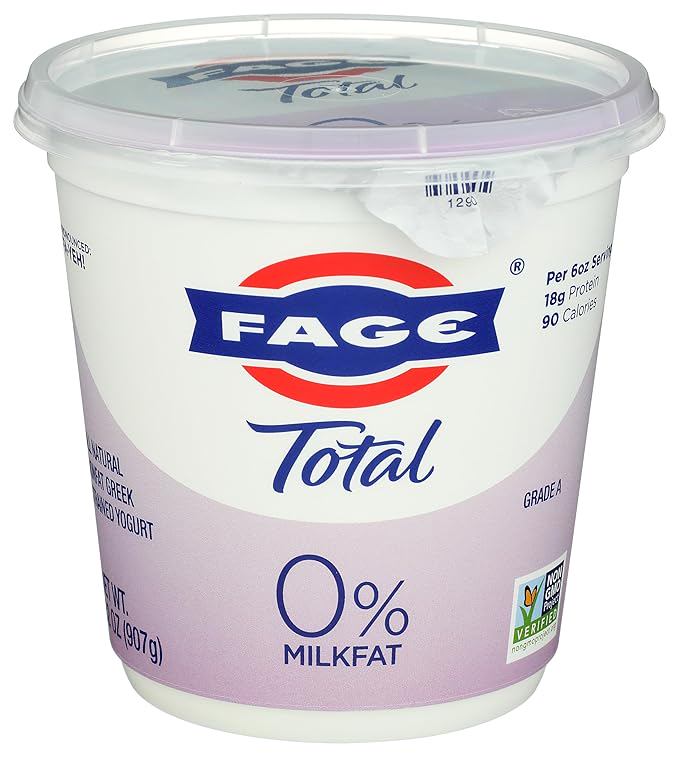
Flavored yogurt is often a sugar bomb disguised as health food. A typical 6-ounce container can pack 15 to 20 grams of sugar, most of it added, and only 6 to 8 grams of protein. Plain Greek yogurt or Icelandic skyr flips that ratio: about 15 to 20 grams of protein and only 4 to 6 grams of natural sugar.
This swap directly improves your protein-to-carbohydrate ratio, which helps with satiety and muscle repair. If you miss the sweetness, add fresh berries or a drizzle of honey—you still end up with less added sugar than the pre-flavored version. Greek yogurt also works as a substitute for sour cream, mayonnaise, or cream in dips, sauces, and baked goods. It is one of the easiest ways to increase protein without changing your cooking routine.
Skyr is even thicker and slightly higher in protein than Greek yogurt, so if you prefer a dense, creamy texture, that is a solid option. Both are strained, which removes whey and concentrates the casein protein—great for a slow-release protein source before bed or after a workout.
Swap Sugary Coffee Creamers for Whole Milk or Unsweetened Plant Milk
Liquid coffee creamers are one of the biggest hidden sources of added fat and sugar in a standard diet. Two tablespoons of a typical flavored creamer contain around 5 grams of fat (often palm or soybean oil), 5 to 6 grams of added sugar, and almost zero protein. That small pour adds up fast if you have two or three cups a day.
Switching to whole milk gives you 8 grams of protein per cup (roughly 2 grams per ounce), plus natural calcium and vitamin D. Unsweetened soy milk is another strong choice, offering 7 to 8 grams of protein per cup with minimal carbs. Unsweetened almond or oat milk are lower in protein but lower in calories and sugar—still a net improvement over most creamers.
The switch adjusts your fat and carb intake downward while adding a modest protein bump. If you like the sweetness of flavored creamers, a dash of cinnamon, vanilla extract, or a pinch of stevia can replicate the taste without the additives. Your morning coffee can still feel like a treat without wrecking your macro balance.
Swap Crackers for Vegetables and Hummus
Snack time is where macronutrient balance often falls apart. Crackers, pretzels, and chips are high in refined carbohydrates and low in protein or fiber. A standard serving of wheat crackers (about 15 crackers) delivers roughly 20 grams of carbs, 2 grams of fiber, and 2 grams of protein. By the time you finish a handful, your blood sugar has spiked and you are still hungry.
Swapping crackers for raw vegetables with hummus changes the entire nutritional picture. A large bell pepper, a cup of cucumber slices, and a generous two-tablespoon serving of hummus provides about 15 grams of carbs, 5 grams of fiber, 4 grams of protein, and 8 grams of mostly unsaturated fat. The fiber and protein together slow digestion, keeping you full longer.
Hummus is chickpea-based, so it brings both protein and fiber to the table. You can also experiment with white-bean dip, baba ganoush (eggplant-based), or guacamole for variation. The vegetables add volume and micronutrients, making the snack more satisfying overall. If you need crunch, choose jicama, snap peas, or endive leaves.
These four swaps are not about perfection—they are about making one or two changes that shift your daily macronutrient ratios in a sustainable direction. You still get to eat foods you enjoy. The difference is you let the ingredients do the balancing for you.