If you follow a plant-based diet — whether vegan, vegetarian, or mostly plant-forward — you're likely doing your health and the planet a favor. But even the most carefully planned meatless meals can leave a gap when it comes to a particular fat: omega-3 fatty acids. Unlike protein or fiber, omega-3s get less attention in plant-based nutrition circles, yet they play a crucial role in brain function, eye health, and controlling inflammation.
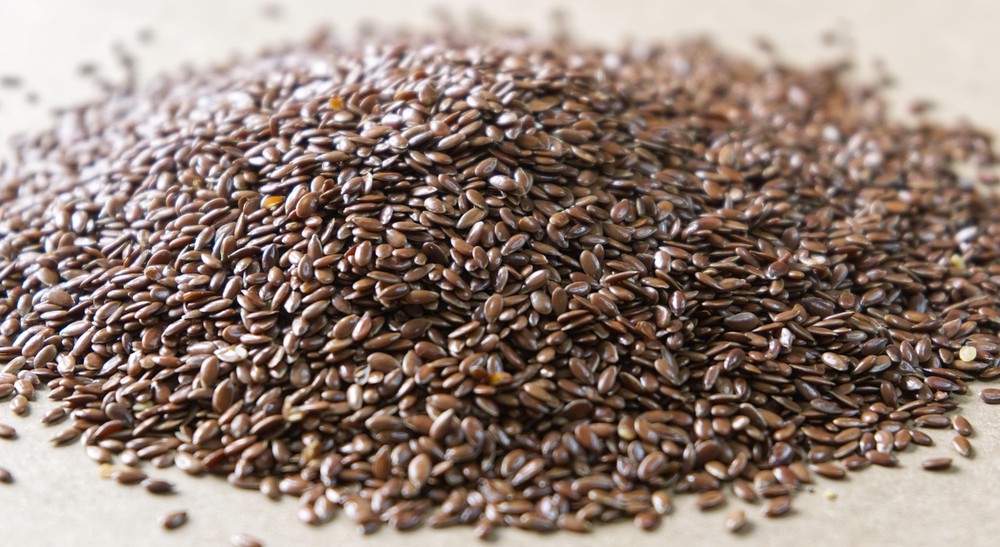
Because our bodies cannot produce these essential fats on their own, we have to get them from food or supplements. Animal sources like salmon, mackerel, and eggs are rich in the long-chain omega-3s EPA and DHA, which are most readily used by the body. Plant sources such as flaxseeds, chia seeds, walnuts, and hemp seeds mainly provide ALA (alpha-linolenic acid), which the body must convert into EPA and DHA — a process that is not very efficient. As a result, people eating plant-based diets may find themselves running low on active omega-3s without realizing it. Here are four telltale signs that your body might be signaling a deficiency.
1. You Notice Dry, Irritated Skin or Brittle Nails
Omega-3 fatty acids help maintain the skin's lipid barrier, which keeps moisture in and irritants out. When levels dip, this barrier weakens. Dry, flaky patches and increased skin sensitivity — especially on the arms, face, or scalp — can be an early clue. Brittle nails that chip or split easily may also accompany this sign. If your usual moisturizer no longer seems to help, it is worth looking at your diet. Flaxseed oil, chia seeds, and algae-based DHA supplements can help restore that structural support from the inside out.
2. Stiff or Achy Joints Without an Obvious Cause
Omega-3s are known for their anti-inflammatory properties. When they are lacking, low-grade inflammation can settle into the joints, leading to stiffness, swelling, or a dull ache — particularly in the knees, fingers, or hips. Muscle soreness after normal activity may also last longer than expected. For plant-based eaters, this sign is often mistaken for aging or overuse, but it may actually reflect an underlying fatty acid imbalance. Adding a daily source of ALA-rich foods, like ground flaxseeds or hemp seeds, and considering an algae oil supplement can reduce inflammatory signals over time.
3. Brain Fog, Poor Memory, or Mood Changes
The brain is roughly 60% fat, and DHA (a long-chain omega-3) is a key structural component of brain cell membranes. Low DHA levels can impair communication between neurons, leading to what many describe as "brain fog" — difficulty concentrating, forgetting names or appointments, or feeling mentally sluggish. Some research also links low omega-3 status with a higher risk of mood fluctuations, including mild depression and anxiety. If you have been eating plant-based for several months or years and notice these cognitive shifts, it is not just in your head. Prioritizing daily ALA sources and supplementing with DHA from microalgae can provide direct support for mental clarity and emotional stability.
4. Fatigue and Poor Sleep Quality
Omega-3s help regulate the production of melatonin and other sleep-related hormones. Deficiency can disrupt the natural sleep-wake cycle, making it harder to fall asleep or stay asleep throughout the night. You might wake up feeling unrested even after eight hours in bed. Fatigue that does not improve with more sleep or caffeine could also point to suboptimal omega-3 levels. Plant-based eaters who feel persistently drained should examine their intake of nuts, seeds, and algae-based options. A handful of walnuts before bed or a tablespoon of flaxseed oil drizzled over dinner can supply the raw materials for better sleep and daytime energy.
What to Do About It
If these signs resonate with you, start by taking a closer look at your daily food choices. Aim to include at least one or two servings of ALA-rich foods every day: two tablespoons of ground flaxseeds, a quarter cup of chia seeds, or a handful of walnuts make a real difference. For more direct support, consider a DHA supplement derived from microalgae — these are the same algae that fish eat to build EPA and DHA, so they are fully vegan-friendly. Most algae-based DHA supplements provide around 100–300 mg of DHA per serving, which can help fill the gap where conversion efficiency falls short.
Additionally, try to limit intake of omega-6 fatty acids from fried foods, processed snacks, and refined vegetable oils, because too much omega-6 can interfere with the conversion of ALA to its active forms. The goal is a balanced ratio, not elimination.
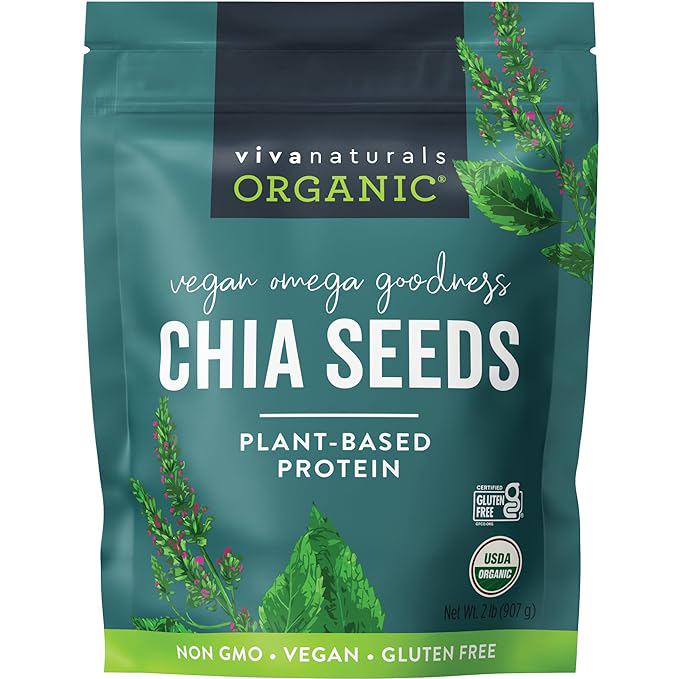
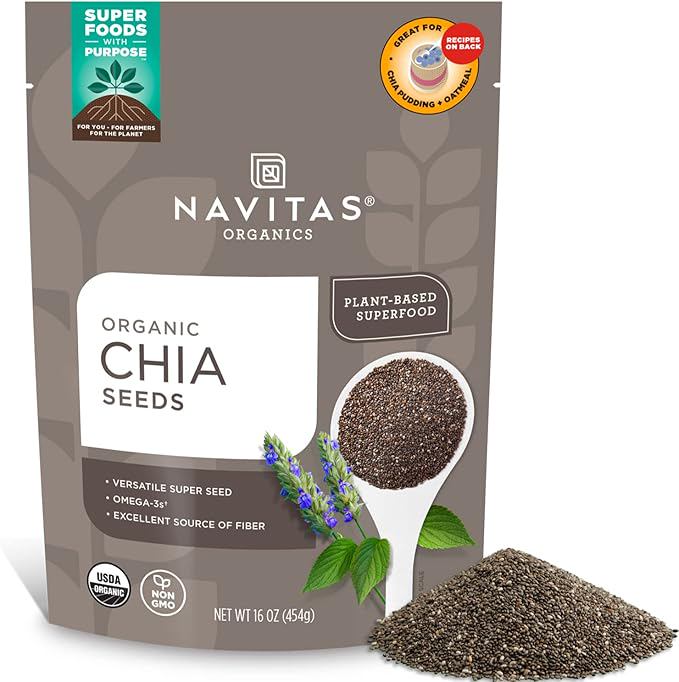
Simple daily habits — like sprinkling chia seeds on oatmeal or blending flaxseed oil into a smoothie — can go a long way toward protecting your brain, skin, joints, and energy levels.
As with any dietary change or supplement routine, it is wise to discuss your specific needs with a healthcare provider, especially since testing for omega-3 levels is available if you want a clearer picture. Keep in mind that general wellness guidance does not replace personalized medical advice.