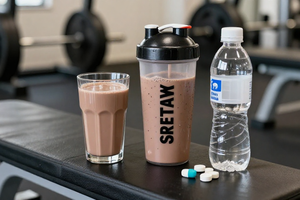

You’ve laced up your shoes, loaded the barbell, and mentally prepared for a solid lift. But halfway through your set, your arms feel like overcooked pasta, your focus wobbles, and you’re counting down the minutes until you can put the weights down. If that sounds familiar, the culprit might not be your training program—it’s what you ate (or didn’t eat) before stepping into the gym.
Pre-workout nutrition isn’t about complicated rituals or expensive powders. It’s about providing your muscles with the right fuel at the right time. Small timing and composition errors can leave you feeling sluggish, shaky, or just plain flat. Here are four common missteps that sap your energy before lifting—and what to do instead.
1. Eating Too Close to Your Lift
That protein bar you scarfed down in the car? It might be working against you. When you eat a full meal or a dense snack within 30 to 45 minutes of lifting, your body diverts blood flow to your digestive tract to break down the food. That leaves less oxygen and nutrient delivery available for your working muscles.
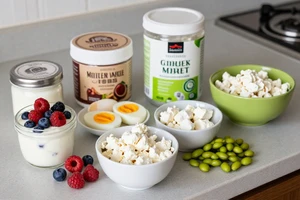
You end up feeling heavy, bloated, or even crampy. The fix is straightforward. Try to finish a balanced meal (protein, carbs, and a little fat) about two to three hours before you lift. If you’re eating closer to your session—say, 30 to 60 minutes out—keep it small and simple. Think a banana, a slice of toast with jam, or a handful of pretzels.
2. Skimping on Carbs Before Your Workout
Carbohydrates are your body’s primary fuel source for high-intensity lifting. They get stored in your muscles as glycogen, which is exactly what you draw on when you’re squatting, pressing, or pulling. If you’re following a low-carb diet or just don’t eat many carbs before training, your tank starts half-empty. Your first few reps might feel okay, but you’ll hit a wall fast.
You don’t need a pasta dinner before every session. A simple pre-workout meal or snack with roughly 30 to 60 grams of easily digestible carbs—like oatmeal, white rice, a sweet potato, or a piece of fruit—can do the trick. This is especially important for lower-body lifts or high-volume workouts.
3. Relying on Caffeine as a Crutch
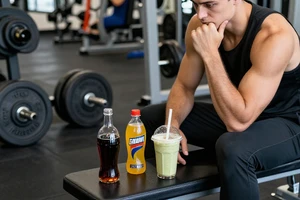
A morning cup of coffee or a pre-workout powder with caffeine can sharpen your focus and delay fatigue. But there’s a line between an aid and an overload. If you habitually down large doses of caffeine—especially on an empty stomach—your nervous system can get dysregulated. You might feel jittery, your heart rate may spike unnecessarily, and you could experience an energy crash midway through your workout.
More concerning is that heavy caffeine use can blunt your natural energy production systems over time. Your body adapts by increasing adenosine receptors, which makes you more tired overall. If you rely on caffeine to get through the door, try tapering your intake. Keep your pre-workout dose moderate (around 100–200 mg) and save it for days when you truly need a boost, not as a daily habit.
4. Forgetting Hydration Until the Last Minute
Dehydration is one of the fastest ways to tank your lifting performance. Even a small fluid loss—as little as 1 to 2 percent of your body weight—can reduce strength, power, and endurance. And if you’re only chugging water five minutes before your first set, your body hasn’t had time to absorb it.
Hydration is a daily process, not a pre-workout event. Aim to drink water consistently throughout the day, especially in the two to three hours before you train. A good rule of thumb is to sip 16 to 20 ounces of water in the hour before lifting, and another 8 to 10 ounces about 15 minutes prior. If you’re a heavy sweater or workout in a hot environment, consider an electrolyte drink to replace sodium and potassium lost through perspiration.
Practical Takeaways for Better Pre-Workout Fueling
Getting your pre-workout nutrition right doesn’t require a meal plan from a sports dietitian. It’s about adjusting a few habits. Watch the clock between eating and lifting, include enough carbs, use caffeine judiciously, and treat hydration as a steady practice—not a last-minute fix.
Your next session is an opportunity to experiment. Try a small adjustment, like eating a banana 40 minutes before you squat, or spacing your last meal two hours out. You might be surprised by how much more strength and stamina you have when your fuel matches your effort.