You just finished a hard strength session. Your muscles are fatigued, your energy tanks are low, and your body is ready to rebuild. What you eat in the next hour or two can make a real difference in how quickly you recover and how well you adapt to the training stimulus. Dietitians who work with athletes and active adults point to four specific foods that deliver the right blend of protein, carbohydrates, and micronutrients to support muscle repair and replenish glycogen stores.
These are not trendy superfoods or expensive specialty products. They are practical, accessible choices that fit easily into a post-workout routine. Below, we break down what makes each one effective and how to include them in your recovery plan.
Why Post-Workout Nutrition Matters
Resistance training creates tiny tears in muscle fibers. Afterward, your body needs protein to provide the amino acid building blocks for repair and growth. At the same time, your glycogen—the stored form of glucose your muscles used for energy—needs replenishment. Carbohydrates help restore that glycogen and also aid protein absorption. A snack or meal that combines both nutrients within two hours of finishing exercise tends to support faster recovery and better adaptation.
1. Greek Yogurt with Berries
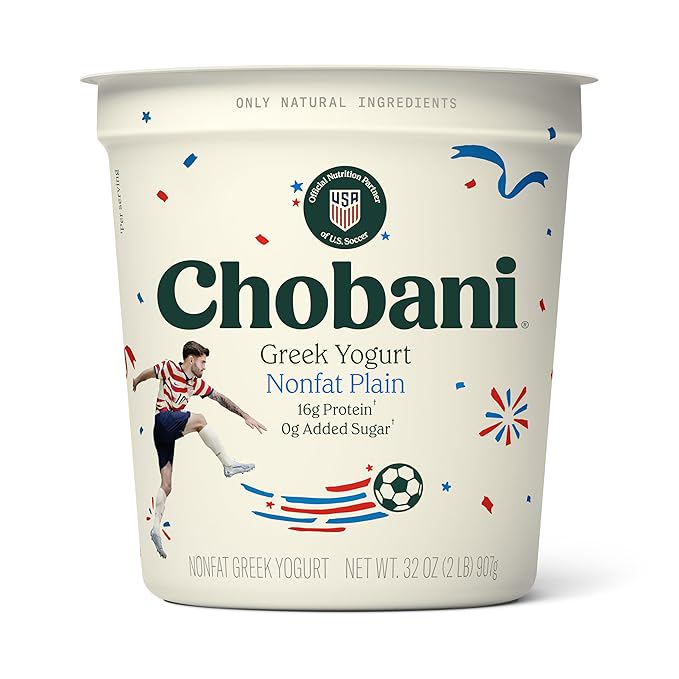
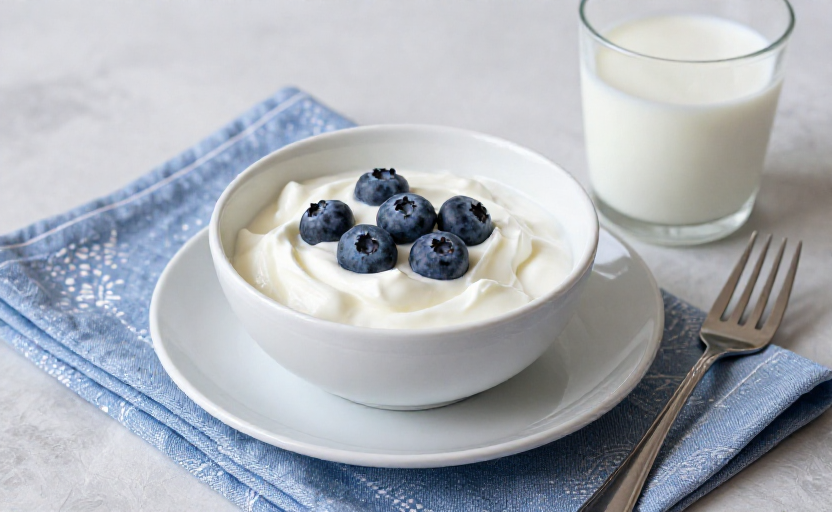
Plain Greek yogurt is a concentrated source of high-quality protein, particularly casein and whey, which deliver amino acids to muscles at different rates. Whey is absorbed quickly, while casein provides a slower, steady release. That dual action helps repair tissue and prevent muscle breakdown over a longer window.
Berries add carbohydrates plus antioxidant compounds called polyphenols. Some research suggests antioxidants can reduce post-exercise inflammation and oxidative stress, which may help ease soreness. Frozen berries work just as well as fresh and are often more budget-friendly.
How to use it: Choose a plain, unsweetened variety to avoid added sugars. Top with a half-cup of blueberries, raspberries, or strawberries. For extra recovery support, sprinkle a tablespoon of chia seeds for fiber and omega-3s.
2. Chocolate Milk
Yes, the drink many of us loved as kids is backed by sports dietitians as one of the most effective recovery beverages. Chocolate milk contains a natural ratio of carbs to protein—about 3 or 4 to 1—which aligns with current recommendations for post-workout refueling. The carbs replenish glycogen, and the protein supports muscle repair.
It also provides fluids and electrolytes (calcium, potassium, magnesium) to rehydrate and restore what was lost through sweat during a challenging lifting session.
How to use it: Low-fat or skim versions work well. If you are lactose sensitive, look for lactose-free chocolate milk or plant-based versions that are fortified with protein to a similar ratio. One 12-ounce serving is usually sufficient after a typical strength workout.
3. Salmon or Canned Tuna with Sweet Potato
Fatty fish like salmon or tuna are among the few natural food sources of vitamin D and provide high-quality complete protein. They are also rich in omega-3 fatty acids, particularly EPA and DHA, which have anti-inflammatory properties that may help modulate muscle soreness and support recovery after resistance training.
Pairing fish with a sweet potato adds a solid dose of complex carbohydrates plus beta-carotene, an antioxidant that the body converts to vitamin A. Vitamin A plays a role in immune function and cell repair, both relevant after intense exercise when the immune system can be temporarily suppressed.
How to use it: A 3-ounce serving of cooked salmon or a 5-ounce can of light tuna (in water) alongside a medium baked sweet potato makes a balanced recovery meal. Add a handful of spinach for extra micronutrients, and dress with a little olive oil to help absorb fat-soluble vitamins.
4. Eggs with Whole-Grain Toast and Avocado
Eggs are an excellent source of leucine, the amino acid most directly responsible for triggering muscle protein synthesis. One large egg provides about 6 grams of protein, and the yolk also contains vitamins B12 and D, choline, and antioxidants like lutein and zeaxanthin.
Pairing eggs with whole-grain toast supplies long-lasting carbs for glycogen restoration and fiber for digestive health. Avocado adds monounsaturated fats and vitamin E, an antioxidant that helps protect muscle cell membranes from oxidative damage.
How to use it: Two scrambled or hard-boiled eggs on a slice of whole-grain toast with a quarter of an avocado. This meal comes together in about 10 minutes, making it an easy option for busy days after the gym.
Timing and Portions That Work
For most people, eating within 30 to 60 minutes after a strength workout offers the best recovery window. However, if that window closes, a meal eaten up to two hours later still provides benefits. The key is consistency and adequate total daily protein intake, spread across meals and snacks.
General guidance suggests 20–40 grams of protein and roughly 0.5–0.7 grams of carbohydrate per pound of body weight in the post-workout meal, though individual needs vary. Listen to your appetite and adjust portions accordingly.
Water should accompany every post-workout meal. Even mild dehydration can impair recovery and increase perceived soreness.
The Bottom Line
Strength training recovery doesn’t require elaborate recipes or expensive supplements. Greek yogurt with berries, chocolate milk, salmon or tuna with sweet potato, and eggs with toast and avocado each deliver a combination of protein, carbohydrates, and key nutrients that dietitians consistently recommend. Choose the option that fits your taste, schedule, and digestive comfort, and pair it with plenty of fluids. Over time, these simple choices help your muscles repair more efficiently and get you ready for your next session.