Grip strength is one of those metrics that tells a bigger story than you might think. It's not just about opening jars or hanging from a pull-up bar—studies have linked a strong handshake to better overall muscle health, bone density, and even longevity. So when you notice your grip feeling a little weaker than usual, it's worth looking at what's on your plate.
Believe it or not, certain foods can subtly undermine the muscle function and nerve signaling that make a firm grip possible. Here are four foods that may be quietly working against your hand and forearm strength, plus what to eat instead to keep your grip solid.
How your grip strength connects to what you eat
Your grip relies on a chain of physiological processes: your brain sends signals through nerves, which trigger muscle fibers in your forearm and hand to contract. Along the way, your body needs proper electrolytes (like magnesium and potassium), adequate hydration, and low levels of systemic inflammation to keep everything firing smoothly.
Certain dietary choices can throw that balance off. Processed foods high in sodium, sugar, or damaged fats can promote inflammation, impair circulation, or mess with fluid balance—and your hands often feel it first.
1. High-sodium processed foods
Think deli meats, canned soups, fast food fries, and salty snack mixes. When you eat a lot of sodium without enough potassium, your body retains water to dilute the salt. This fluid shift can lead to mild swelling in your hands and fingers, making it harder to close your fist tightly or maintain a strong grip over time.
Chronic high sodium intake can also raise blood pressure, which damages small blood vessels over time—including the ones that supply your hand muscles and nerves with oxygen.
What to eat instead
Potassium-rich foods help counterbalance sodium and support proper nerve transmission. Bananas are the obvious choice, but potatoes with the skin on, spinach, avocado, and white beans all pack more potassium per serving. A simple swap: replace a salty deli sandwich with a bean-and-avocado wrap on a whole-wheat tortilla.
2. Sugary drinks and refined sweets
Soda, sweetened coffees, and candy bars spike your blood sugar quickly. Over time, frequent sugar spikes promote a low-grade inflammatory state throughout your body—including in your joints and connective tissues. Inflammatory compounds can interfere with the smooth function of tendons and ligaments in your hands and wrists.
There's also a less-known effect: sugar crashes can leave you feeling fatigued and mentally foggy, which means your brain sends weaker recruitment signals to your muscles. Your grip may feel less forceful even if your muscles are technically strong.
What to eat instead
Reach for whole fruits like berries, cherries, or apples, which provide natural sweetness along with fiber and antioxidants that fight inflammation. If you crave something cold and sweet, try frozen grapes or a smoothie made with unsweetened almond milk, banana, and a handful of spinach.
3. Excess omega-6 vegetable oils
Highly processed oils such as soybean, corn, sunflower, and safflower oils are common in fried foods, salad dressings, and packaged snacks. While your body needs some omega-6 fats for normal function, the modern diet tends to overload them—way out of proportion to anti-inflammatory omega-3s.
This imbalance promotes chronic inflammation, which can affect the small joints of your hands and the muscle fibers responsible for grip strength. Some research suggests that a high ratio of omega-6 to omega-3 is linked to reduced muscle protein synthesis in older adults—meaning your muscles don't repair and grow as efficiently.
What to eat instead
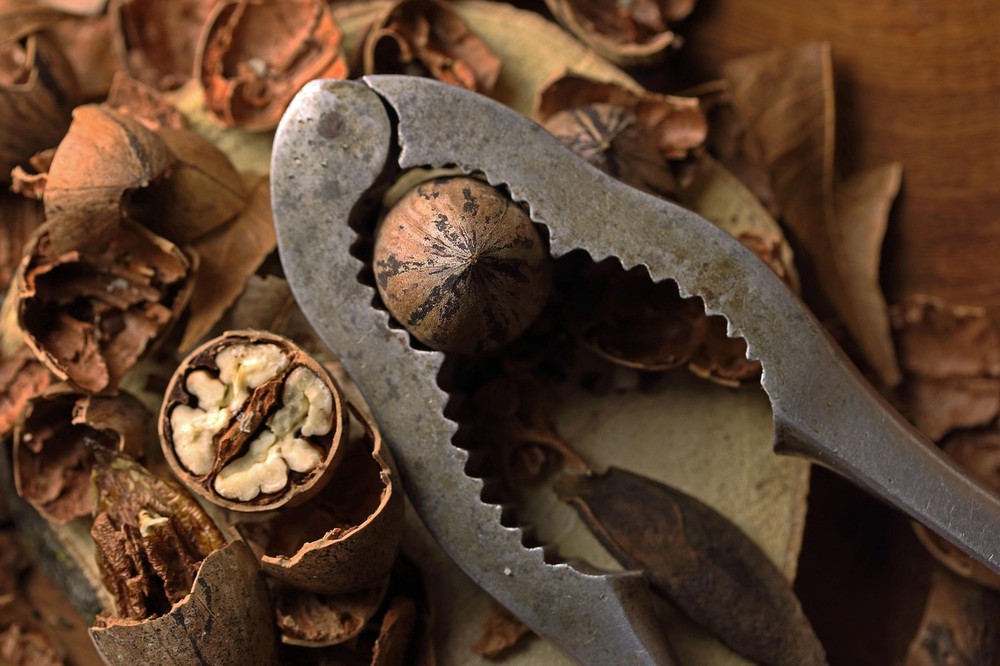
Cook with olive oil or avocado oil instead of vegetable oil blends. For omega-3s, eat fatty fish like salmon, mackerel, or sardines twice a week. Walnuts, chia seeds, and flaxseeds are solid plant-based options. A simple swap: use an olive oil and lemon dressing instead of a bottled ranch made with soybean oil.
4. Alcohol—especially in excess
Alcohol affects grip strength through multiple pathways. It's a diuretic, which means it dehydrates you—and even mild dehydration can reduce muscle contractility and slow nerve transmission. Alcohol also interferes with your body's ability to absorb key minerals like magnesium and potassium, both of which your hand muscles rely on during contraction.
Regular heavy drinking can also damage peripheral nerves over time, a condition called alcoholic neuropathy. Symptoms often start in the hands and feet, leading to numbness, tingling, or weakness that directly impacts grip function.
What to drink instead
If you're looking for a relaxing evening beverage, consider tart cherry juice mixed with sparkling water. It offers anti-inflammatory compounds and magnesium without the dehydrating effect. Herbal teas like ginger or peppermint are also a smart choice for staying hydrated and calm.
Putting it together
Grip strength doesn't exist in a vacuum—it's a reflection of your overall nutrition and metabolic health. Reducing processed salt, added sugar, inflammatory oils, and excess alcohol will support your hand muscles and the nerves that control them. Meanwhile, increasing potassium, antioxidants, omega-3s, and proper hydration gives your grip the foundation it needs to stay strong.
If you've been training your forearms and still feel your grip lagging, take a close look at your diet. A few smart swaps might be all it takes to feel that handshake get firmer again.