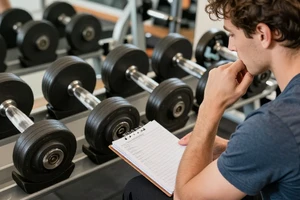

You crushed your leg day, hit every set with intensity, and walked out of the gym feeling strong. But the next morning? That familiar stiffness settles in, and simple tasks like sitting down or reaching for a coffee cup become a struggle. Delayed onset muscle soreness (DOMS) is a natural part of the strength-training process—tiny tears in muscle fibers that need time and nutrients to repair.
What you eat during that recovery window matters more than most people realize. While certain foods can speed up repair, others can pour gasoline on the inflammatory fire, making your soreness last longer and feel worse. Here are four foods that may be undermining your post-workout recovery.
1. Highly Processed Sugary Snacks
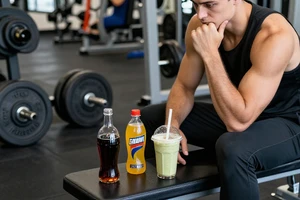
That post-workout doughnut or sugary sports drink might feel like a reward, but your sore muscles disagree. High-sugar, low-fiber foods—like pastries, candy, and sugary cereals—trigger a sharp spike in blood glucose, followed by a rapid crash. This glucose rollercoaster ramps up systemic inflammation by increasing pro-inflammatory cytokines, the same compounds that amplify muscle pain signals.
When your body is already inflamed from micro-tears in your muscle tissue, adding more inflammation from processed sugar is like trying to put out a small fire with gasoline. A 2020 review in Nutrients found that diets high in refined sugars are consistently linked with higher markers of C-reactive protein, a key indicator of inflammation.
Instead of reaching for a sugary treat, pair your post-workout meal with complex carbs like oats, quinoa, or sweet potatoes. They stabilize blood sugar and provide the glycogen your muscles need for repair.
2. Deep-Fried and Greasy Foods
French fries, fried chicken, onion rings—these foods are high in unhealthy trans fats and advanced glycation end-products (AGEs). When you eat deep-fried foods, these compounds accumulate in your tissues and promote oxidative stress, which can worsen inflammation and delay muscle repair.
Your muscles rely on efficient blood flow to deliver oxygen and nutrients to damaged fibers. A meal high in saturated and trans fats can temporarily impair endothelial function—the ability of your blood vessels to dilate—making it harder for recovery resources to reach where they're needed. For someone already dealing with soreness, this adds unnecessary delay to the healing process.
Research published in the Journal of the International Society of Sports Nutrition suggests that athletes who consume high amounts of fried foods report higher perceived muscle soreness scores 24 to 48 hours after intense training compared to those who stick with whole-food fats like avocados and nuts.
3. Alcohol (Especially Beer and Cocktails)
It's common to see people reach for a beer after a hard workout, but alcohol is one of the worst disruptors of muscle recovery. Alcohol is a diuretic, which means it dehydrates you, and dehydration compounds the stiffness and tenderness associated with DOMS. More importantly, alcohol interferes with protein synthesis—the biological process that rebuilds damaged muscle fibers.
A study from the Journal of Strength and Conditioning Research found that consuming alcohol after eccentric exercise significantly impaired muscle strength recovery and increased markers of muscle damage in the blood. Cocktails with added sugar or soda exacerbate the problem by combining the inflammatory effects of alcohol with those of refined sugar.
If you do choose to drink, limit yourself to one serving and drink plenty of water alongside it. Better yet, wait at least 24 hours after an intense strength session before having any alcohol to give your muscles a fighting chance at recovery.
4. High-Sodium Processed Meats
Bacon, deli ham, sausage, and hot dogs might be convenient sources of protein, but they come with a hidden cost: sky-high sodium levels and preservatives like nitrates. When your body is already inflamed, high sodium intake can lead to water retention and increased blood pressure, which puts extra pressure on your cardiovascular system just when it's trying to shuttle nutrients to sore muscles.
The preservatives in processed meats have also been linked to higher levels of inflammatory markers. A 2019 study in Critical Reviews in Food Science and Nutrition found that regular consumption of processed meats correlated with elevated interleukin-6, a pro-inflammatory cytokine that can exacerbate muscle pain. Your body needs lean protein for repair—but it needs the kind that comes without a side of inflammation.
To make matters worse, processed meats are often low in the antioxidants and polyphenols that combat inflammation, unlike whole protein sources such as grilled chicken, fish, or lentils.
Foods That Can Actually Help
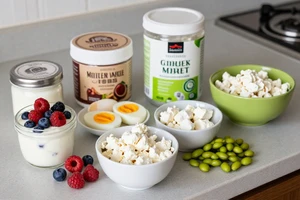
Just as some foods worsen soreness, others actively support recovery. If you want to feel less stiff after your next leg day, consider adding:
- Tart cherry juice — Rich in anthocyanins, which have been shown in multiple studies to reduce muscle pain and speed strength recovery
- Fatty fish (salmon, mackerel, sardines) — Packed with omega-3 fatty acids that lower inflammation
- Leafy greens and berries — High in antioxidants that neutralize free radicals produced during exercise
- Watermelon — Contains L-citrulline, an amino acid that may reduce muscle soreness
The timing of your post-workout meal also matters. Aim to eat a combination of protein and complex carbohydrates within two hours of finishing your strength session. This window is when your muscles are most receptive to nutrients and ready to begin the repair cascade.
A Practical Game Plan
You don't need to be perfect every day—one greasy meal won't ruin your gains. But if you consistently find yourself struggling with prolonged soreness that lasts four or more days, take a close look at what you're consuming in the hours after training. Small shifts like swapping a sports drink for water, choosing grilled chicken over fried, and skipping the post-gym beer can dramatically change how your body feels during recovery.
Strength training demands a lot from your body. Giving it the right raw materials to rebuild is just as important as the work you do in the gym. Treat your recovery meals with the same intention you bring to your lifts, and your muscles will thank you.