You crushed your leg day. You pushed through that last set of rows. Now, two days later, your quads feel like concrete and reaching for a coffee mug sends a twinge through your lats. Muscle stiffness after strength training is a familiar signal that your muscles are repairing and getting stronger, but that doesn't mean you have to suffer through it. While stretching and foam rolling get most of the attention, what you drink in the hours after your workout can play a surprisingly direct role in how stiff you feel the next day.
Hydration is the obvious starting point, but certain beverages contain specific compounds—polyphenols, nitrates, and tart cherry extract—that target the inflammation and oxidative stress tied to delayed-onset muscle soreness (DOMS). Here are four drinks backed by research to help ease that post-lift stiffness, along with practical tips on when and how to use them.
Tart Cherry Juice
No food or drink can erase muscle damage, but tart cherry juice comes closest to a targeted recovery aid. Tart cherries are rich in anthocyanins, potent antioxidants that reduce inflammation and oxidative stress. A meta-analysis published in the Journal of the International Society of Sports Nutrition found that tart cherry juice significantly reduced muscle soreness and strength loss after intense exercise.
The key is timing. Drinking tart cherry juice in the two days before a heavy session and for two days afterward appears to be most effective. Look for pure, unsweetened tart cherry juice—not a cocktail blend loaded with added sugar. A common serving is about 10 to 12 ounces twice daily.
A note on sugar: Tart cherry juice does contain natural sugars. If you are watching your carbohydrate intake or managing blood sugar, consider diluting it with water or using a tart cherry concentrate that you mix into seltzer.
Beetroot Juice
Beetroot juice is best known for boosting endurance, but its benefits extend to strength training recovery too. The nitrates in beets convert to nitric oxide in the body, improving blood flow. Better circulation means oxygen and nutrients reach your muscles more efficiently, while metabolic waste products are cleared away more quickly.
For muscle stiffness specifically, beetroot juice may help reduce the perception of soreness. A study in Nutrients showed that participants who drank beetroot juice after eccentric exercise (the type that causes the most stiffness) reported less muscle tenderness. The effect is modest but noticeable, especially when you drink it within an hour after your workout. Start with about 500 ml of beetroot juice, or try beetroot powder mixed into water if the taste is too earthy for you.
Green Tea
Green tea is a practical, low-calorie option that fits easily into your daily routine. Its main active compound, epigallocatechin gallate (EGCG), is a powerful anti-inflammatory that can blunt the oxidative stress triggered by hard training. While green tea will not eliminate soreness, regular consumption may reduce the peak intensity of muscle stiffness.
The best approach is consistency. Drinking 2 to 3 cups of green tea spread throughout the day, including one after your workout, appears more effective than a single large dose. Brew it fresh for the highest antioxidant content, and avoid adding milk, as some research suggests casein proteins can bind to catechins and reduce absorption.
Water (with Electrolytes)
Plain water is not flashy, but it is the most critical drink for managing muscle stiffness. Dehydration amplifies muscle soreness because it reduces blood volume, making it harder for your body to deliver repair materials and flush out waste. After a strength session, you have likely lost fluid through sweat—even if you did not notice it.
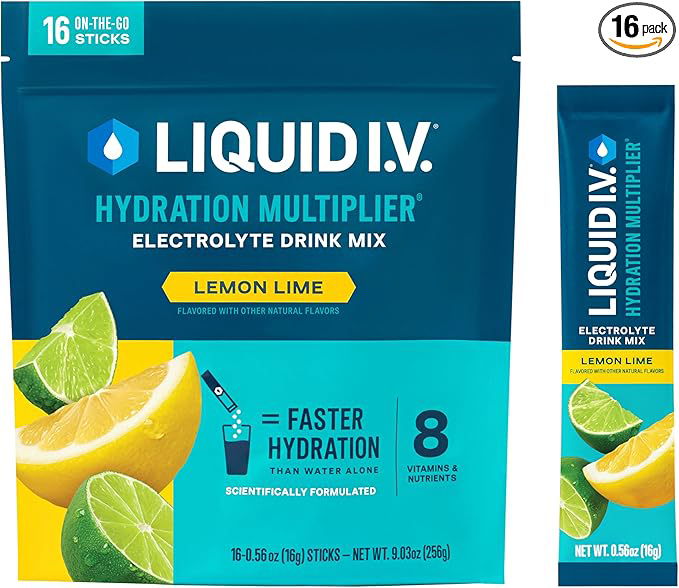
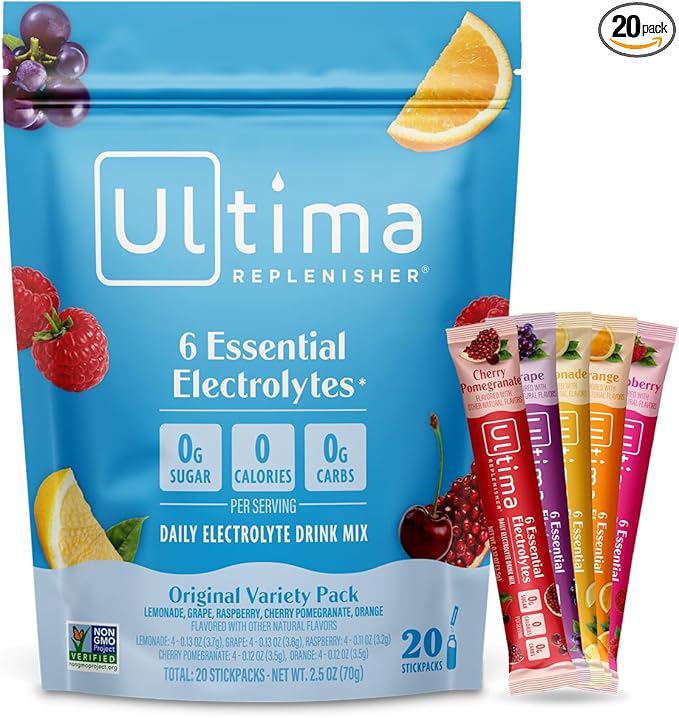
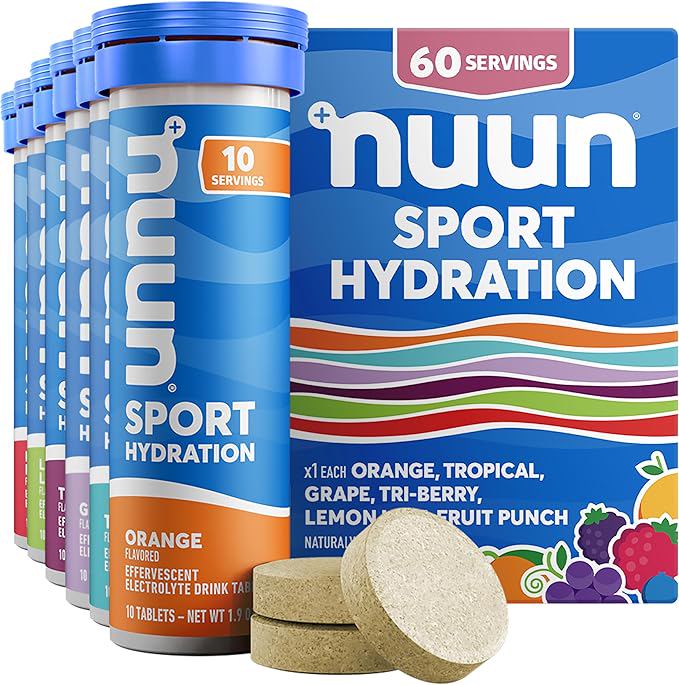
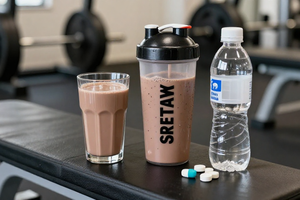
Adding electrolytes (sodium, potassium, and magnesium) to your water helps restore what you lost and supports proper muscle function. You can use an electrolyte tablet, a pinch of sea salt and a squeeze of lemon in your water, or coconut water, which naturally contains potassium and magnesium. The goal is to drink enough so that your urine is pale yellow within a few hours of training. For most people, that means sipping water steadily, not chugging a gallon all at once.
How to choose what works for you
You do not need to drink all four of these after every session. Think of them as tools you can rotate depending on how you feel and what is practical. Tart cherry juice is your best bet when you know you have a brutal session coming and want to blunt the aftermath. Beetroot juice is handy for improving blood flow and reducing tenderness. Green tea is a gentle, everyday choice that supports recovery without extra calories. And water with electrolytes is non-negotiable—it is the foundation that makes the other drinks more effective. Combining good hydration with one of the other options can make a meaningful difference in how stiff you feel 24 to 48 hours later.