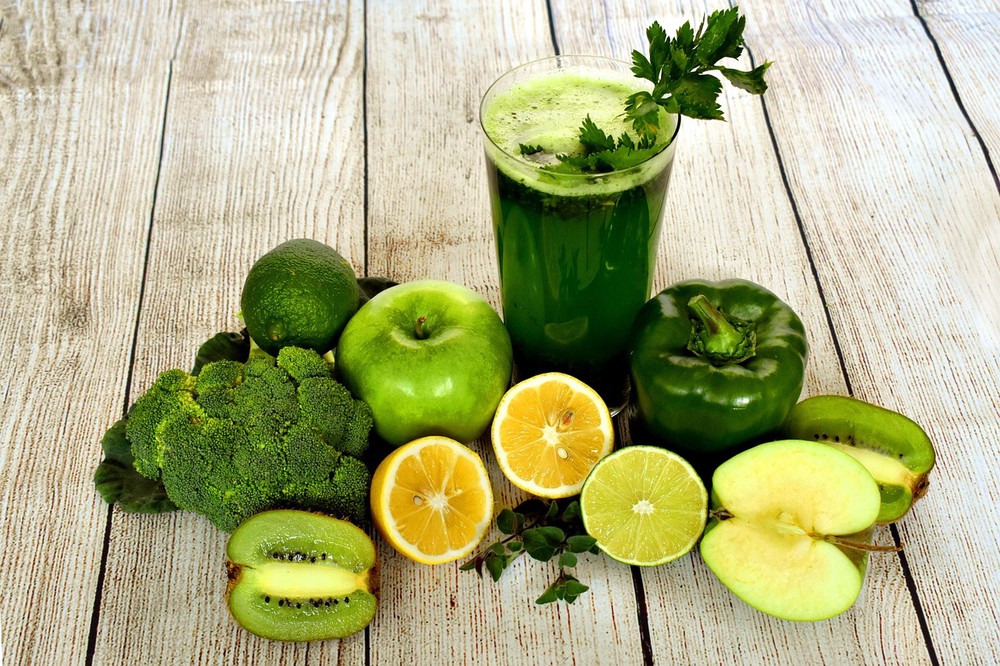
You put thought into your grocery list. You choose vibrant produce, leafy greens, and maybe a sprinkle of seeds. You feel good about the antioxidants flooding your system. But here is the quiet truth: what you eat matters, but how you handle that food matters just as much — sometimes even more. Small, everyday habits can dismantle the very compounds you are trying to protect.
Antioxidants are fragile molecules. Light, heat, air, and even the timing of your meal can degrade them before they ever reach your cells. If you've ever wondered why that kale salad doesn't seem to deliver the glow everyone promises, or why your berry smoothie leaves you flat, the answer may not be what you eat. It may be how you prepare and combine it. Here are four common dietary mistakes that quietly siphon the antioxidant power right off your plate.
1. Prepping Produce Too Far in Advance
It feels efficient to chop everything on Sunday. You stack containers of diced bell peppers, sliced apples, and shredded carrots. But cutting fruits and vegetables exposes their inner flesh to oxygen. This triggers oxidative enzyme activity, which degrades vitamin C, polyphenols, and other antioxidant compounds. The effect is measurable: a cut apple loses a significant portion of its quercetin content within hours, and pre-chopped broccoli can lose up to half its vitamin C over a day in the fridge.
The fix is simple: cut produce close to the time you plan to eat or cook it. If you must prep ahead, store cut items in an airtight container in the coldest part of the refrigerator, and add a squeeze of citrus juice to help slow enzymatic browning. Treat fresh cuts like fresh food — not shelf-stable products.
2. Cooking at Very High Heat for Too Long
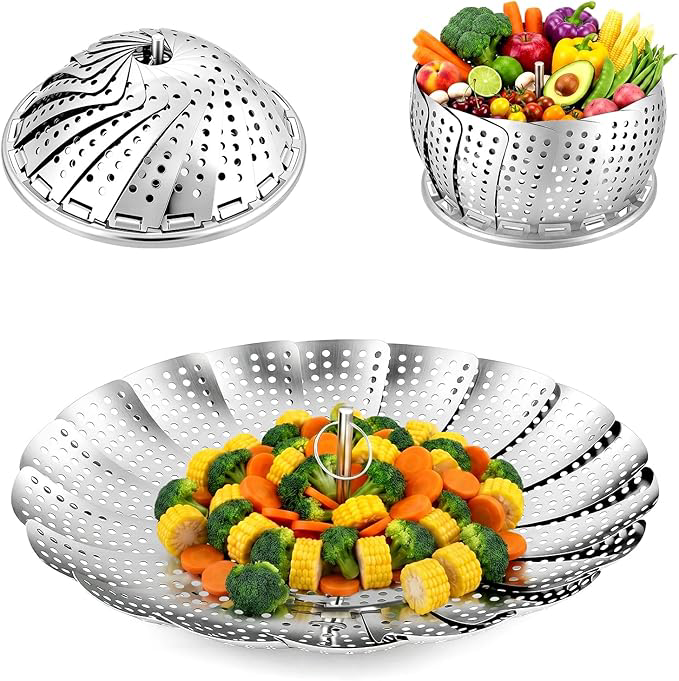
Heat can be either an ally or an adversary. Gentle cooking methods — steaming, light sautéing, or brief blanching — can actually increase the bioavailability of some antioxidants, like lycopene in tomatoes or beta-carotene in carrots. But extended high heat, especially boiling or deep-frying, is another story. High temperatures break down delicate flavonoids and anthocyanins. If you boil vegetables and then pour the liquid away, you also discard water-soluble antioxidants like ellagic acid and many B vitamins that leached into the water.
Consider roasting vegetables at moderate temperatures (around 350–375°F) rather than charring them at extreme heat. Steaming for just a few minutes retains far more antioxidants than prolonged boiling. If you do boil, keep the cooking water for soups or grains to recapture some of what you lose.
3. Pairing Antioxidant-Rich Foods with Pro-Oxidant Ingredients
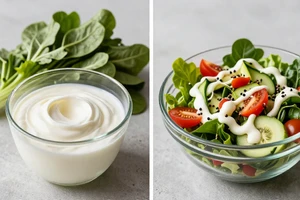
What you combine on your fork matters. Iron from red meat or supplemental powders can oxidize polyphenols from vegetables, reducing their antioxidant capacity before your body absorbs them. Similarly, pairing high-polyphenol foods (berries, tea, dark chocolate) with dairy protein has been shown to bind to certain antioxidants, making them less available for absorption.
This does not mean you must avoid these pairings entirely — context and balance matter. But if you are specifically trying to maximize antioxidant uptake, consider spacing out high-iron meals from your berry smoothies by an hour or two. When eating flavonoid-rich foods like apples or onions, avoid washing them down immediately with a glass of whole milk. A small timing shift can yield a noticeable difference in how much protection your body actually receives.
4. Storing Fresh Produce in Bright Light or Warm Spots
Antioxidants are sensitive to light degradation. Leafy greens, herbs, and brightly colored fruits stored on a sunny counter or near a warm oven lose their phytochemical content faster than those kept cool and dark. Studies show that spinach loses up to 60% of its vitamin C within a week when stored at room temperature under light, compared to refrigerated and dark-stored samples.
The refrigerator's crisper drawer exists for a reason: it is dark, humid, and cold — the ideal environment for preserving delicate antioxidants. Bulbs like garlic and onions prefer a cool, dark pantry, not a windowsill. Treat your counter like a showcase for items you will eat today, and let the fridge do the long-term preservation work.
Small changes in how you handle your food can make a real difference in what your body gets. Chop fresh, cook gently, separate incompatible pairings by a small window, and store produce away from light and heat. Your antioxidant levels — and your cells — will thank you.