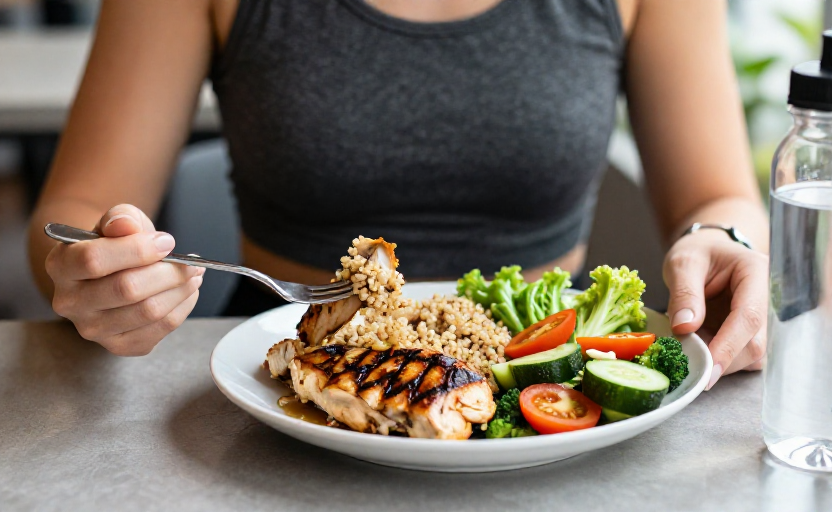
You put in the work at the gym—crushed those last two reps, pushed through the burn, walked out feeling accomplished. But what happens next is just as important as the workout itself. Your body is primed for repair, and the food you eat in that window can either support or undermine recovery. Unfortunately, many of us sabotage our post-workout meal without realizing it. Here are four common habits that can turn a recovery meal into a setback—and what to do instead.
1. Waiting too long to eat
Your muscles are most receptive to nutrients immediately after exercise. This is often called the “anabolic window,” and while it’s not a strict 30-minute deadline, delaying your meal by several hours can slow repair. When you wait, levels of the muscle-building hormone insulin stay low, and cortisol (the stress hormone) remains elevated, which can promote muscle breakdown instead of growth. Aim to eat a balanced meal or snack within 1–2 hours after training, especially if you worked out fasted or had a long session.
2. Skimping on protein—or overdoing carbs
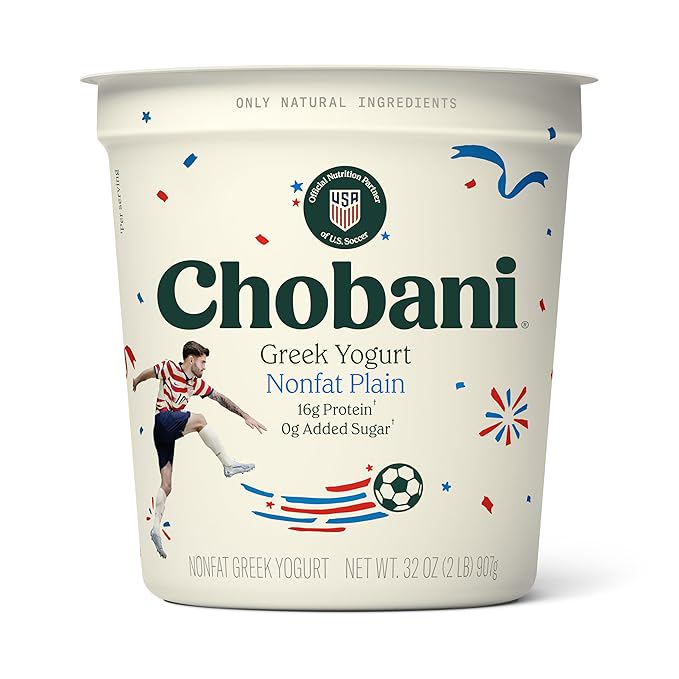
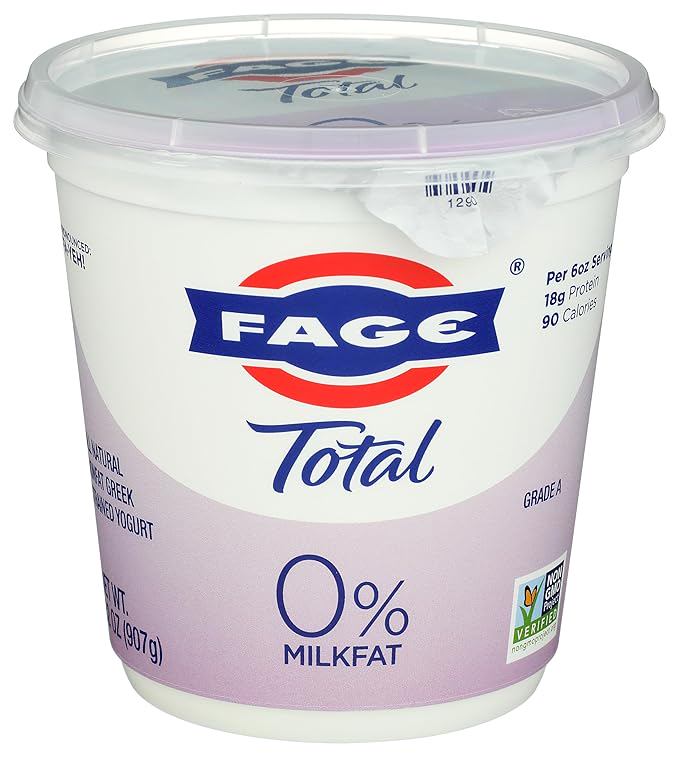
It’s true that protein is critical for muscle repair. But some people fixate on protein shakes while neglecting carbs, or they load up on carbs with very little protein. Both extremes miss the mark. Your muscles need amino acids from protein to rebuild damaged fibers, and carbs replenish glycogen stores that fuel your next workout. A common mistake is having a carb-only snack like fruit or a granola bar without enough protein to stimulate muscle protein synthesis. On the flip side, a pure protein shake without any carbs may leave your glycogen stores depleted, especially after endurance work. Aim for roughly 20–30 grams of protein paired with a moderate amount of complex carbs—think a turkey sandwich on whole grain, Greek yogurt with berries, or a smoothie with milk and banana.
3. Over-relying on liquid nutrition
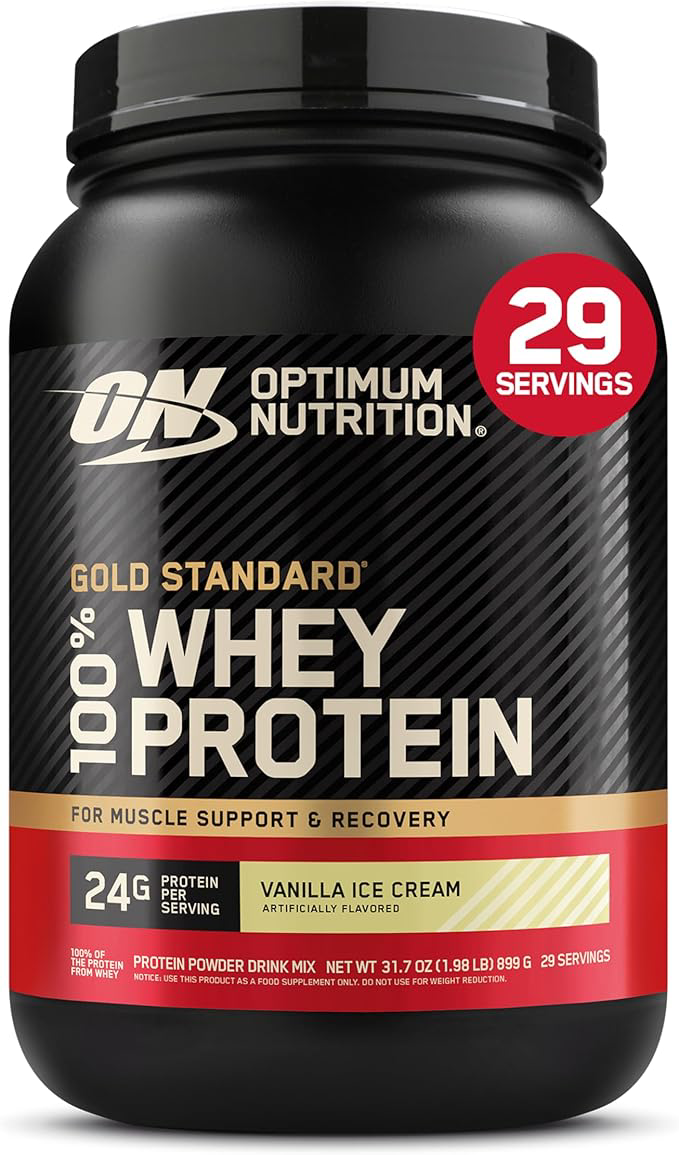
Post-workout shakes are convenient, and they can be effective when you’re on the go. But if you habitually replace whole food meals with liquids, you may miss out on fiber, micronutrients, and the satiety that comes from chewing. Whole foods provide a broader spectrum of nutrients, including antioxidants that reduce inflammation and minerals like magnesium and zinc that support recovery. While a quality protein shake is fine occasionally, aim to get most of your post-workout nutrition from real foods: eggs, chicken, fish, beans, quinoa, vegetables, and fruit.
4. Adding sugar or alcohol to the mix
That post-gym smoothie with added honey, sweetened yogurt, or fruit juice can become a sugar bomb in disguise. Excess sugar spikes insulin briefly, which can be beneficial right after exercise, but large amounts of added sugar—especially from soda, sports drinks, or candy—promote inflammation and can blunt the muscle repair process. Similarly, reaching for a beer or cocktail after a workout is common among social exercisers, but alcohol interferes with protein synthesis and impairs rehydration. Stick with water, unsweetened tea, or milk for hydration, and limit sugary extras. If you crave sweetness, a piece of whole fruit provides natural sugars along with fiber and vitamins.
Recovery isn’t complicated, but small missteps can add up. By timing your meal, balancing protein and carbs, choosing whole foods, and keeping added sugar and alcohol low, you give your muscles the support they need to grow and repair.