You’re doing everything right. You skip the drive-thru, cook at home most nights, and you said goodbye to sugary sodas months ago. So why is the number on the scale stubbornly inching up, or why are you hit with a wave of sluggishness after lunch every single day?
The culprit might be hiding in plain sight: your portion sizes. Over the past few decades, restaurant plates have grown, bagel shops have supersized their dough, and even the average dinner plate at home has gotten wider. What looks like a “normal” serving to you could be double—or triple—what your body actually needs. Here are three specific warning signs that your portions have quietly gotten away from you.
1. You Don’t Need to Refill Your Water Glass During a Meal
If you find yourself reaching for a second (or third) glass of water while you eat, that’s not necessarily a sign of good hydration—it could be a clue that you’re eating too much, too fast. Large volumes of food, especially foods high in sodium or simple carbohydrates, can trigger thirst because your body is trying to dilute the high concentration of solutes in your gut.
There’s also a simpler mechanical reason: a massive pile of food physically takes up more room in your stomach, leaving less space for liquid. As you eat past the point of comfortable fullness, your stomach stretches, which can activate nerve signals that make you feel parched. If you’re consistently polishing off a 24-ounce water bottle alongside dinner, take a hard look at the mound on your plate.
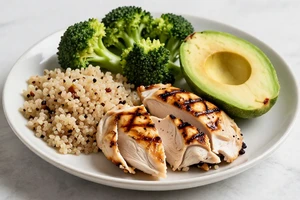
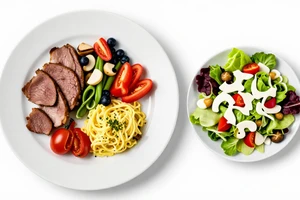
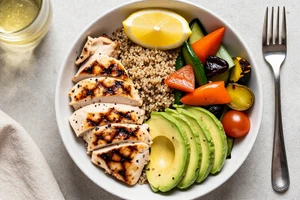
The quick check: Before you start eating, portion out your meal on a smaller plate (9 inches instead of 12). Fill half the plate with vegetables, a quarter with lean protein, and a quarter with starches. If you’re still thirsty, sip water slowly—your brain needs about 20 minutes to register fullness signals.
2. Your “Healthy” Snacks Take Up a Whole Bowl
This is the trickiest warning sign because it looks virtuous. You might be snacking on almonds, Greek yogurt, or air-popped popcorn—all excellent choices. But if you’re eating directly from the bag, the box, or a large mixing bowl, you are almost certainly eating more than a single serving. A serving of almonds is about 23 kernels (roughly 160 calories). A serving of popcorn is about three cups (around 100 calories if air-popped). A serving of grapes is about one cup (roughly 60 calories).
Here’s how the trap works: when we see a big container, our brains unconsciously anchor on the idea that “this is the amount I’m supposed to eat today.” It’s called unit bias—we tend to finish whatever is in front of us, whether that’s a small bag or a jumbo tub. A study in the Journal of Consumer Research found that people ate 20–40% more from larger packages than from smaller ones, even when the food tasted stale.
How to break the bowl habit
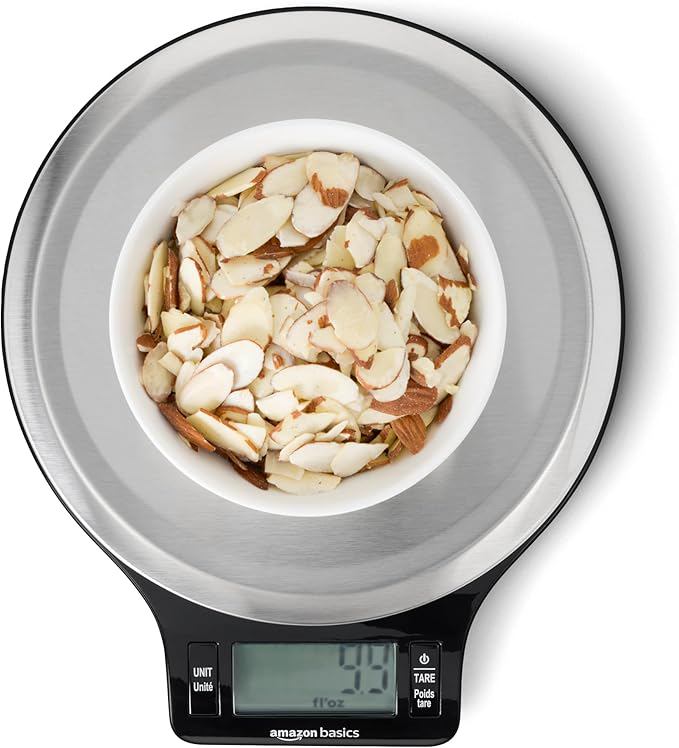
Instead of bringing the whole container to the couch, take one single portion out and put the rest away. For foods like nuts or trail mix, use a small ramekin or a measuring cup so you can see exactly what one serving looks like. Your brain will adjust to the smaller visual cue over time, and you’ll probably find that the smaller portion satisfies you just as much as the bottomless bowl did.
3. You Feel Uncomfortably Full, Not Just Satisfied
There is a difference between feeling pleasantly full (enough energy to last until the next meal, no discomfort) and feeling stuffed (bloated, sleepy, maybe even a little nauseous). If you regularly experience the latter, especially after meals you consider “healthy,” your portion sizes are likely too large.
This is often a problem with density-dense foods like pasta, rice, beans, and whole-grain bread. They’re healthy in the right amounts, but they’re easy to overeat because they don’t trigger the same satiety signals as foods high in water or fiber. A cup of cooked pasta (about 200 calories) looks modest on a plate, but two cups (400 calories) starts to press on your stomach wall, creating that heavy, sleepy feeling.
Your body gives you real-time feedback if you pay attention. The hunger-fullness scale is a simple tool: rate your fullness from 1 (starving) to 10 (Thanksgiving dinner uncomfortable). Aim to stop eating at a 6 or 7—when you are comfortably full but could still take a walk without feeling weighed down. If you’re consistently at an 8 or above an hour after eating, scale back your portions by about 20% and see how you feel.
One Simple Fix That Addresses All Three Signs
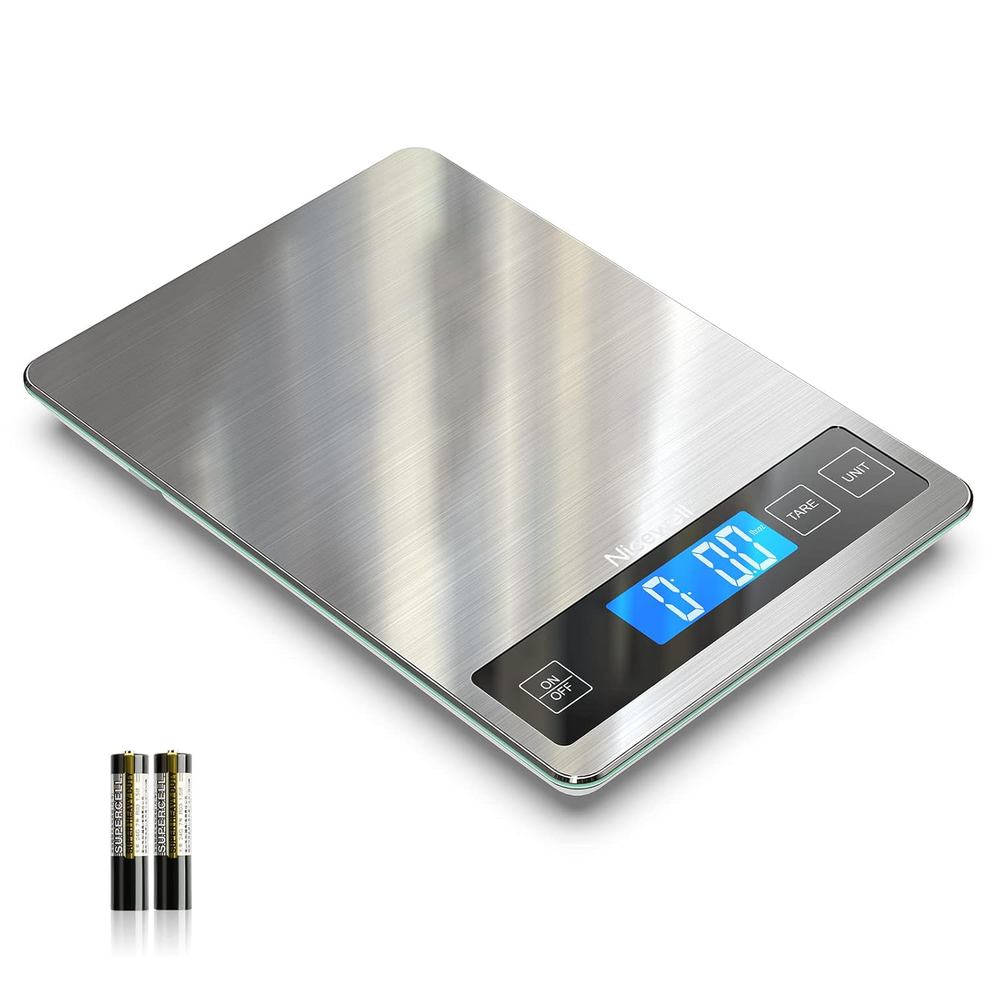
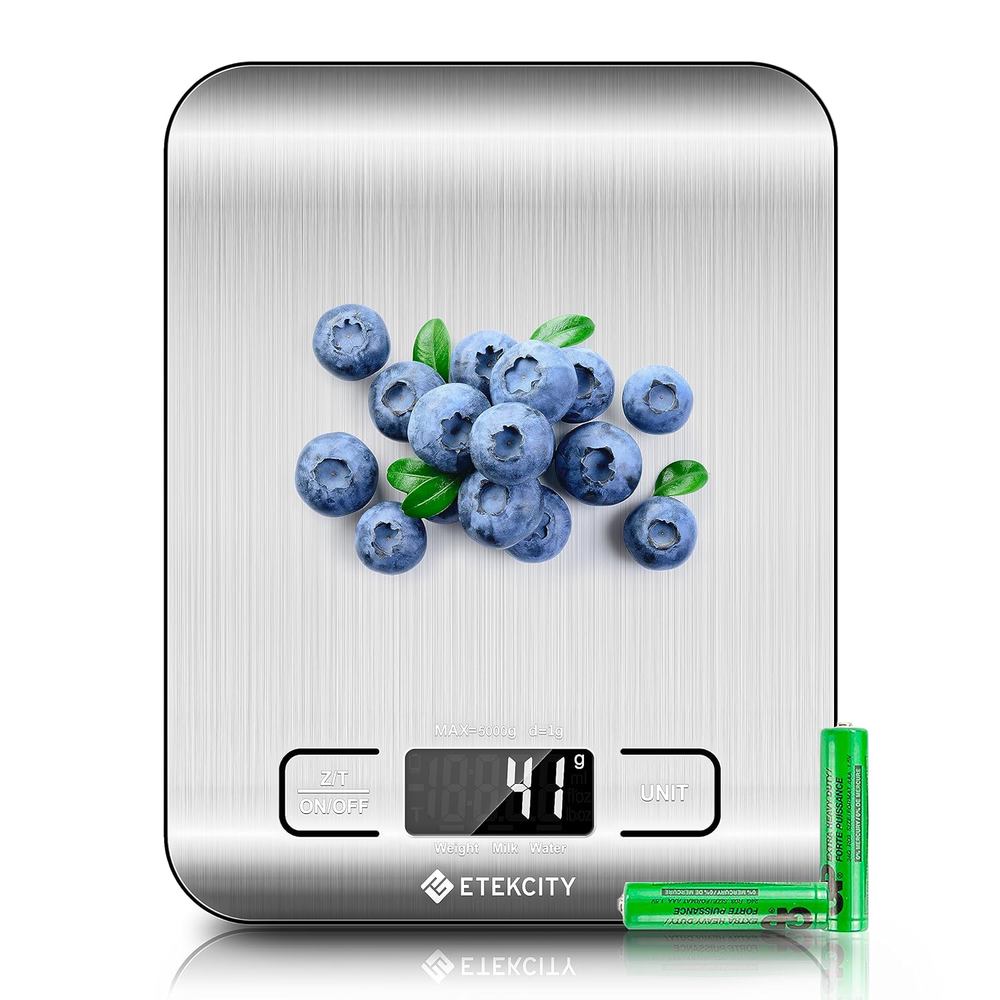
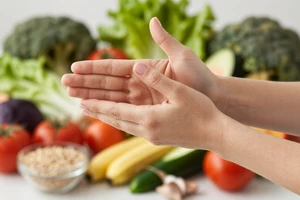
The single most effective step you can take today is to spend one week measuring your food. Use measuring cups, a food scale, or your hand (a palm-sized portion of protein, a fist-sized portion of vegetables, a cupped handful of grains). You don’t have to do this forever—just long enough to recalibrate your eyes. After seven days, most people are shocked to see that their “normal” portion of cereal is actually three servings, or that their “one” serving of steak is closer to two.
Remember, portion control isn’t about deprivation. It’s about matching the energy you take in with the energy your body actually needs. When you get that ratio right, you’ll likely notice more steady energy, fewer cravings, and a waistband that feels a little looser—without ever feeling like you’re “on a diet.”