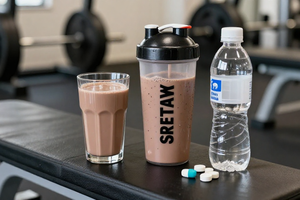
You crush your leg day. You feel the burn in your chest on push day. You wake up the next morning and… the wheels are just a little wobbly. That mild ache is normal—it's the feeling of progress, the signal that your muscles are adapting. But there’s a line between productive soreness and a recovery deficit that can quietly stall your gains and even invite injury.
Recovery isn’t a passive break from training; it’s when your body actually rebuilds stronger tissue. If you’re consistently shortchanging this phase, your strength will plateau, your motivation may drop, and your joints might start whispering complaints. Here are three clear warning signs that your recovery strategy needs a serious check-up.
1. Your strength has stalled or reversed
The first and most frustrating sign often shows up in the gym itself. After a good deload or rest week, you expect to add a few pounds to the bar or squeeze out an extra rep. But if you’ve been pushing hard for weeks and the numbers on your main lifts have flatlined—or worse, started to drop—that’s a red flag.
True progress happens during recovery, not during the workout. When you lift, you create microscopic tears in muscle fibers and deplete your energy stores. Your body needs sufficient calories, specifically protein, plus quality sleep and low stress, to repair those fibers slightly stronger than before. When you don’t provide that environment, chronic inflammation and accumulated fatigue begin to outpace repair. The result is a neurological and muscular system that simply can't produce peak force anymore.
If you notice that your working sets feel heavier than they should, or you’re failing on loads you previously handled for extra reps, it’s time to stop grinding and start recovering. A proper back-off week or a few extra rest days may be all it takes to get the bar moving upward again.
2. Persistent heavy fatigue that sleep doesn’t fix
We all have rough nights, but a chronic, bone-deep tiredness that persists even after 8 hours of sleep is not normal. This is a classic symptom of overreaching that has tipped into overtraining. When your nervous system is constantly under stress from daily lifting without adequate restoration, your cortisol levels remain elevated, disrupting sleep architecture and leaving you feeling drained the moment you wake up.
Beyond just feeling sleepy, you might notice mood changes: irritability, low motivation, or a sense of dread before your workout. Your resting heart rate might be higher than normal, and you may feel more prone to getting sick. These are all signals that your body's resources are allocated toward managing stress rather than building muscle.
In practical terms, this means your post-workout recovery window—eating, hydrating, sleeping, and limiting additional life stress—is not matching the volume or intensity of your training. If you’re always tired, your muscles aren't recovering. Consider reducing volume per session, adding an extra rest day, or auditing your nutrition to ensure you're eating in a slight surplus on training days.
3. Aches, irritations, and a lingering low-grade soreness
There’s a difference between the satisfying burn of delayed onset muscle soreness (DOMS) that fades after 48-72 hours and a dull, grumpy sensation that stays for four or five days. This prolonged soreness is often a sign that microscopic damage hasn't been fully repaired, and it may be progressing into a chronic inflammatory state. It can also indicate that your joints and connective tissues—tendons and ligaments—are taking a hit because the surrounding muscles are too fatigued to stabilize them properly.
Pay close attention to sharp, pinching, or localized pain, especially in the knees, elbows, or lower back. That’s not normal muscle soreness; that’s a warning of potential overuse injury. True muscle recovery includes the time needed for tendons to adapt, which is a slower process due to their limited blood supply. If you notice that the same spot hurts for more than a week despite rest, don't just push through it—that’s a sign to back off and address the specific movement or load.
A common contributing factor is a lack of active recovery. Doing nothing on off days can actually slow healing. Light walking, easy cycling, or gentle mobility work increases blood flow to sore muscles without adding stress, delivering oxygen and nutrients that speed repair. If you skip this step and keep hitting heavy compound lifts every 48 hours, the cumulative wear will eventually catch up with you.
A quick check: If you can’t name the last time you had a full 48 hours between training the same muscle group, you’re likely not recovering enough. Growth happens on the couch, not in the squat rack.
Practical steps to fix recovery
Recognizing the signs is only half the battle. Once you know you're in a recovery deficit, take action. Prioritize sleep hygiene—cool, dark room, consistent bedtime, no screens an hour before. Re-evaluate your protein intake; aim for around 1.6–2.2 grams per kilogram of body weight spread throughout the day. Manage training stress by using a program with built-in deload weeks every 4–6 weeks. Finally, incorporate 10–15 minutes of mobility or low-intensity cardio on rest days. Your muscles will thank you by growing stronger and staying healthier over the long haul.