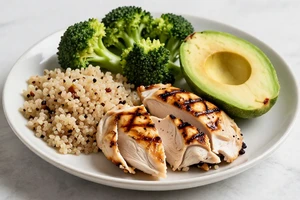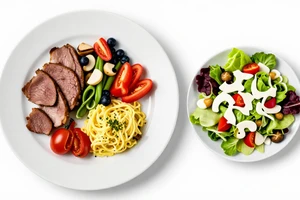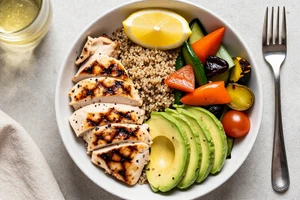

You're doing everything right—loading your plate with leafy greens, lean protein, and whole grains. Your macros look good on paper, and you haven't touched fast food in months. Yet something feels off. You're tired by 3 p.m., your hair is looking lackluster, and you can't seem to recover from your workouts.
Here's the paradox of a disciplined eating plan: sometimes a diet that appears perfectly balanced on the surface may actually be quietly falling short in total energy. If your weight hasn't changed but your body is sending distress signals, it might not be the quality of your food that's the problem—it's the quantity. Here are three specific symptoms that suggest your balanced diet needs a calorie check.
1. Persistent Fatigue That Doesn't Lift With Sleep
Everyone feels tired sometimes, but there's a distinct difference between normal end-of-day weariness and the kind of fatigue that sits in your bones regardless of how many hours you sleep. If you're clocking seven to nine hours of quality rest and still waking up feeling like you haven't slept at all, your body may be starved for fuel.
Calories are units of energy, and when your intake consistently falls below what your body needs to maintain basic functions—let alone exercise, work, and daily life—your metabolism adapts by slowing down. This is a survival mechanism. Your body prioritizes vital organs and begins to reduce energy expenditure for non-essential processes. The result is a persistent mental and physical sluggishness that no amount of green tea or power naps can fix.
Think of it like this: an engine cannot run on high-octane fuel alone. It also needs enough gasoline in the tank.
Balanced diets that are very low in calories—especially those that cut out whole food groups like grains or healthy fats—often create this energy deficit. The food you're eating might be nutrient-dense, but if the total volume is too low, your cells simply don't have the raw materials to produce ATP, your body's energy currency.
2. Unexplained Hair Thinning, Brittle Nails, or Dry Skin
Your hair and nails are made of keratin, a protein that requires adequate energy to synthesize. When your body realizes that calories are scarce, it makes a triage decision. Hair growth, nail strength, and skin cell turnover are considered non-essential for immediate survival. The body redirects available energy toward keeping your heart beating, your lungs breathing, and your brain functioning.
If you notice more hair in your brush than usual, ridges appearing on your nails, or patches of dry, flaky skin that don't respond to moisturizer, it's time to ask whether your eating plan is providing enough total energy. This symptom is particularly common in people who have switched to a very clean whole-foods diet while simultaneously reducing portions to maintain a calorie deficit. The irony is that you might be eating plenty of biotin-rich foods like eggs and almonds, but if your overall calorie intake is too low, that biotin never gets utilized optimally.
Protein intake matters here too. A diet can appear balanced because you eat a serving of chicken at dinner, but if your total daily protein is actually below your individual needs—and your calories are low—your body will break down existing muscle tissue to fuel essential functions, leaving your hair and nails as lower priorities.
3. Constant Hunger or Obsessive Food Thoughts
There's a difference between having an appetite and experiencing relentless, gnawing hunger. If you find yourself thinking about your next meal immediately after finishing the current one, or if you're constantly dreaming about foods you've cut from your diet, your body is likely trying to tell you something. This symptom is not a lack of willpower—it is a biological cry for more energy.
When calorie intake is too low, your body increases production of ghrelin, the hunger hormone. At the same time, it decreases leptin, the hormone that signals fullness. This hormonal double-whammy makes it nearly impossible to feel satisfied, regardless of how many vegetables you eat. It also triggers a phenomenon known as food preoccupation, where your brain becomes hyper-focused on locating energy-dense foods.
A truly balanced diet should leave you feeling satisfied for three to five hours between meals, not constantly scrounging for the next snack. If your eating plan is rich in fiber and water-heavy vegetables but low in total calories, you might feel physically full in your stomach while your cells remain metabolically hungry. That's because bulk can fool the volume receptors in your gut, but it doesn't fool the energy-sensing pathways in your hypothalamus.
What to Do Next: The Calorie Check
Before you make any changes, start by tracking exactly what you're eating for a full week. Use a food diary or an app, but be honest with yourself. Many people who follow a seemingly balanced diet are surprised to discover they're eating well below 1,500 calories a day, especially if they've cut out oils, nuts, and whole grains. Those are calorie-dense foods that also carry essential nutrients.
Then, consider adding energy without sacrificing nutrition. This doesn't mean reaching for processed junk. It means strategically incorporating more calorie-dense whole foods into your existing meals:
- Drizzle extra-virgin olive oil over vegetables and salads.
- Add a quarter of an avocado to your lunch.
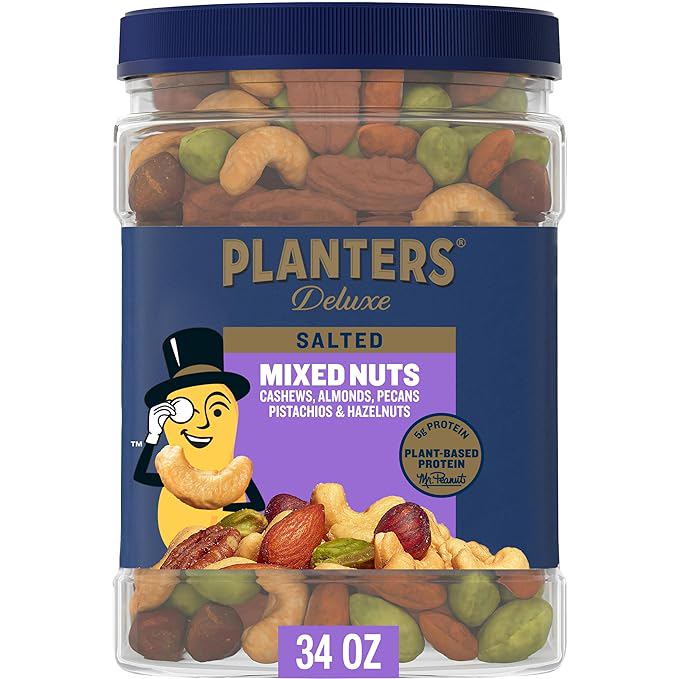
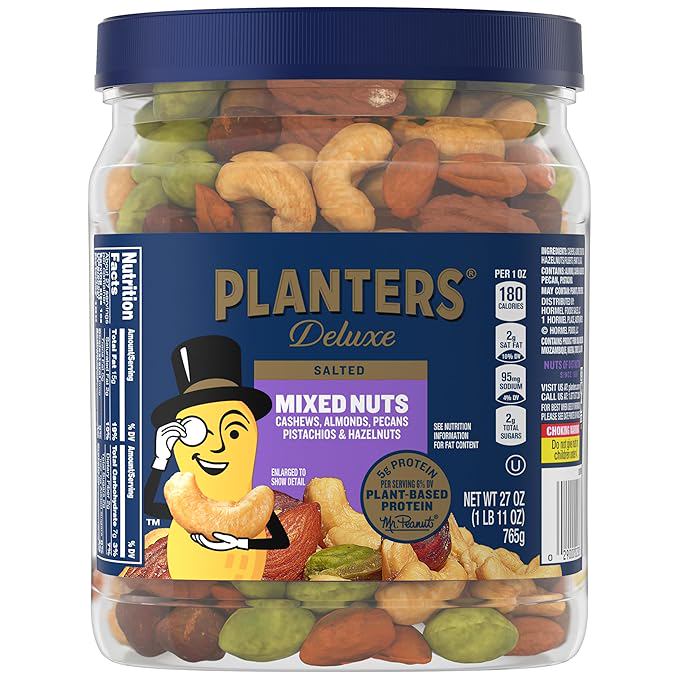
- Include a handful of nuts or seeds as a daily snack.
- Eat a full serving of whole grains like quinoa, brown rice, or oats with at least two meals per day.
- Don't skip the yolk in your eggs—that's where most of the fat-soluble vitamins and energy are.
If symptoms persist after increasing your calorie intake by even 200 to 300 calories per day for two weeks, it's wise to check in with a doctor or registered dietitian. Other medical conditions, such as thyroid disorders or malabsorption issues, can mimic the signs of undereating. A blood panel and a metabolic assessment can help rule out deeper problems.
Remember, a balanced diet isn't just about the right types of food. It's about enough of those foods to fuel both your body and your life. Paying attention to these three symptoms can be the difference between a diet that looks good on paper and one that actually makes you feel good in practice.