You might think of protein as the building block for muscles, something athletes and gym-goers focus on. But its role is far more fundamental, woven into the very fabric of your daily well-being. From the health of your hair and nails to the stability of your mood and energy, protein is a quiet, constant participant. When your intake dips below what your body needs, it doesn't always announce itself with dramatic fanfare. Instead, it often sends quieter, more subtle signals that are easy to miss or attribute to other causes like stress or a busy schedule.
Recognizing these gentle nudges from your body is the first step toward addressing a potential shortfall before it becomes a more pronounced issue.
1. Feeling Constantly Foggy or Irritable
If you find yourself struggling to concentrate in the afternoon, feeling mentally sluggish, or noticing your mood dipping more easily, your diet could be a factor. Protein is crucial for stabilizing blood sugar. When a meal is low in protein and high in refined carbohydrates, your blood sugar can spike and then crash rapidly. This crash often manifests as brain fog, fatigue, irritability, and intense cravings for more quick-energy carbs.
A protein-rich snack can help smooth out these energy peaks and valleys, providing a steadier source of fuel for your brain.
Furthermore, protein provides the amino acids needed to produce key neurotransmitters like dopamine and serotonin, which regulate mood, focus, and a sense of calm. Inadequate protein can subtly disrupt this delicate balance.
2. Your Hair and Nails Seem Brittle or Slow to Grow
Your hair, skin, and nails are made of proteins like keratin, collagen, and elastin. They are non-essential tissues, meaning your body will prioritize allocating limited protein to vital organs and functions first. When protein is scarce, the growth and maintenance of hair and nails can be deprioritized.
You might notice:
- Hair that seems to shed more than usual or feels thin and lifeless.
- Nails that are brittle, peel easily, or develop ridges.
- A slowdown in how quickly your hair and nails grow.
While many factors affect hair and nail health, a persistent lack of strength and growth can be a visible clue that your body needs more foundational building blocks.
3. Getting Sick More Often or Slow to Recover
Your immune system relies heavily on protein. Antibodies, which are your body's specialized soldiers that fight off viruses and bacteria, are made of protein. If you find yourself catching every cold that goes around, or if minor cuts, scrapes, or workouts leave you feeling wiped out for longer than usual, it could signal your immune defenses need more support.
Protein is also essential for repair and recovery. After exercise, illness, or even daily wear and tear, your body uses amino acids to rebuild tissues. Without adequate protein, this repair process can be less efficient, leaving you feeling perpetually rundown.
What to Do If You Recognize These Signs
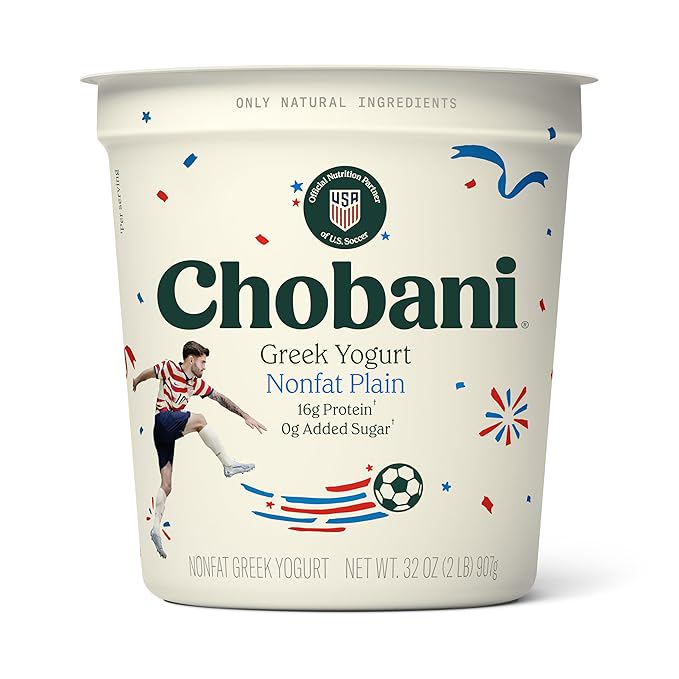
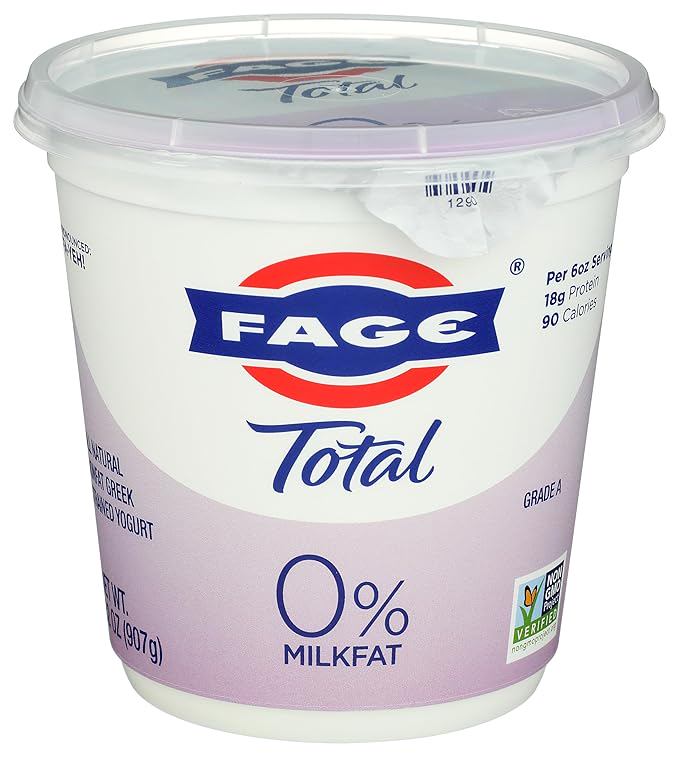
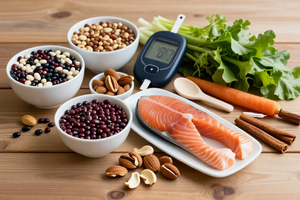
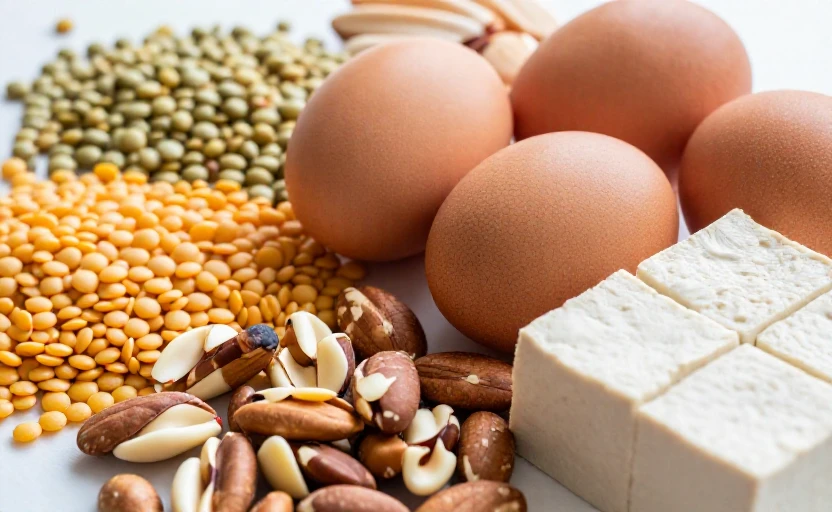
If these signs feel familiar, it's not about making a drastic overhaul overnight. It's about thoughtful, consistent inclusion. Start by looking at your meals and snacks: could you add a palm-sized portion of a protein source? Think beyond just meat—consider lentils, chickpeas, tofu, tempeh, Greek yogurt, eggs, or a handful of nuts.
Pairing protein with fiber-rich carbohydrates and healthy fats creates a satisfying, blood-sugar-stable meal that sustains you for hours. For example, instead of just an apple for a snack, have apple slices with almond butter. Instead of plain pasta, add a lentil Bolognese or grilled chicken.
It's always wise to discuss significant dietary changes or persistent symptoms with a healthcare provider or a registered dietitian. They can help you determine if your protein needs are being met and rule out other potential causes for how you're feeling.
Listening to your body's subtle cues is a form of self-care. By understanding what these gentle signs might mean, you can make informed, nourishing choices that support your energy, resilience, and overall well-being from the inside out.