You’ve been tracking your meals, choosing grilled over fried, and saying no to the obvious treats. Yet, the scale isn’t budging. It’s a frustratingly common experience, and often, the culprit isn’t a lack of effort—it’s a handful of seemingly innocent foods that quietly add hundreds of extra calories to your day. These aren’t the villains you’re watching for; they’re the everyday items that slip under the radar, undermining your careful plans without fanfare.
Understanding these sneaky sources isn’t about fostering fear around food. It’s about building awareness. When you know where hidden calories tend to linger, you can make informed choices that align with your goals, whether that’s simply maintaining your weight or creating a gentle calorie deficit. Let’s look at three common categories where calories often hide in plain sight.
1. The “Healthy” Dressings and Condiments
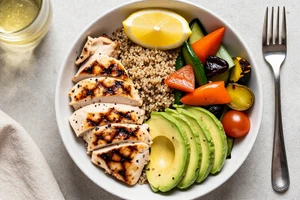
A crisp salad or a piece of lean chicken is a cornerstone of mindful eating. But what we pour or spread on top can transform a light meal into a calorie-dense one in seconds. We often give condiments a free pass because they’re not the “main event,” but their impact is anything but minor.
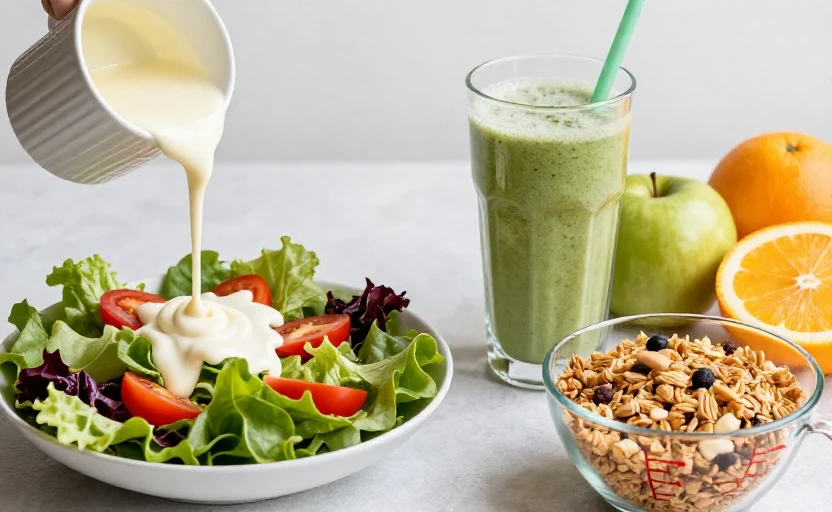
Consider olive oil. It’s a source of healthy fats, and that’s precisely why the calories are so concentrated. Just one tablespoon packs about 120 calories. Drizzling it liberally over a salad can easily add 300-400 calories before you’ve taken a bite of actual food. Creamy dressings like ranch, Caesar, or blue cheese are often worse, combining oil with egg yolk, cheese, or buttermilk. A standard restaurant side of ranch can be a quarter cup or more—that’s over 400 calories on its own.
The sauce on the side isn’t just a preference; it’s a powerful tool for calorie awareness.
Other stealthy offenders include pesto (high in oil and nuts), tartar sauce, specialty mayonnaises, and even some vinaigrettes if they’re heavy on the oil. The word “vinaigrette” sounds light, but the classic ratio is three parts oil to one part vinegar.
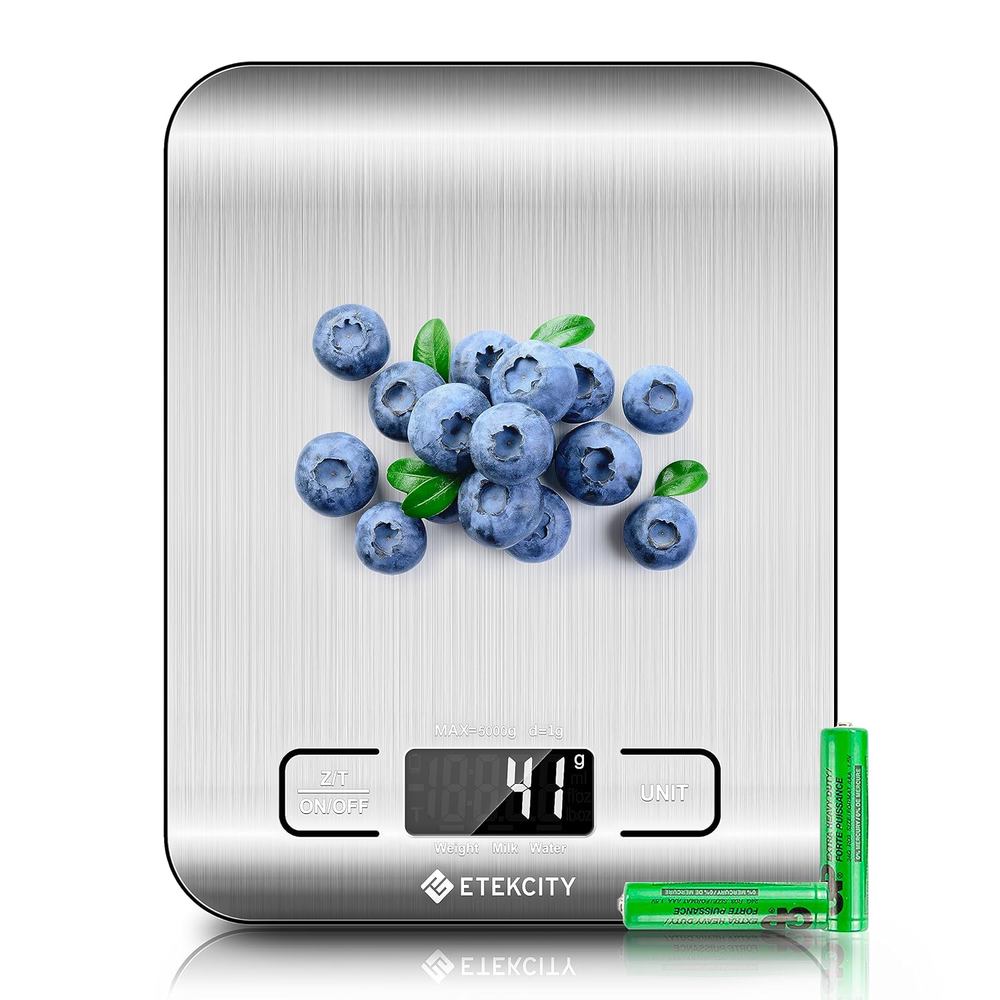
What you can do: Start measuring your oils and dressings with a spoon to see what a serving actually looks like. Try using vinegar, lemon juice, or mustard as a base for flavor—they add almost no calories. When ordering out, always ask for dressings and sauces on the side. You’ll use far less than a kitchen would pour over your dish.
2. Liquid Calories: Smoothies, Juices, and Specialty Coffees
Your brain doesn’t register liquid calories the same way it does calories from solid food. They don’t trigger the same feelings of fullness, so it’s remarkably easy to consume a large number of them without satisfying your hunger. This category is a major tripwire for calorie goals.
Fruit juice and smoothies are the classic examples. While they contain vitamins, they’re also concentrated sources of sugar and calories, stripped of the filling fiber found in whole fruit. A large, store-bought smoothie can contain 400-800 calories, equivalent to a meal. A 16-ounce glass of orange juice has about 220 calories and over 40 grams of sugar—you’d never sit down and eat four oranges in one go, but it’s easy to drink their juice.
The coffee shop menu is another minefield. A medium latte is one thing (around 180 calories with whole milk), but when you venture into flavored lattes, mochas, or frappuccinos, you’re often looking at a dessert. A large white chocolate mocha can clock in at over 500 calories, largely from syrup, whipped cream, and whole milk.
What you can do: Make water, herbal tea, or black coffee your primary beverages. If you enjoy smoothies, make them at home with a focus on vegetables (like spinach), a modest portion of whole fruit, a protein source (like Greek yogurt or protein powder), and water or unsweetened almond milk as the base. At the coffee shop, opt for “skinny” versions with sugar-free syrup and nonfat milk, or simply reduce the size.
3. “Wholesome” Snacks: Granola, Trail Mix, and Dried Fruit
These foods are marketed with imagery of hiking trails and vitality. They feel like virtuous choices, and in moderation, they can be. The problem is their extreme calorie density. A small handful contains a surprising amount of energy, and it’s very easy to mindlessly eat several servings.
Granola is the prime example. It’s baked with oil and sweeteners like honey or brown sugar to achieve its crunchy clusters. A half-cup serving (which is much smaller than most people pour into a bowl) can contain 200-300 calories. Trail mix mixes nuts (healthy but high in fat and calories), dried fruit (concentrated sugar), and often chocolate or yogurt-covered pieces. It’s designed to be energy-dense for endurance activities, not for snacking at your desk.
Dried fruit alone, like raisins, dates, or mango, is sugar-dense. Eating a cup of raisins is consuming the sugar of dozens of grapes without the water content that helps you feel full.
What you can do: Pay strict attention to serving sizes on these packages. Measure out a single serving into a bowl instead of eating from the bag. For a more filling, lower-calorie snack, pair a small amount of these dense foods with something voluminous—like a few tablespoons of granola on a bowl of plain yogurt and berries, or a sprinkle of raisins in your oatmeal.
Building a Strategy, Not a Fear
Spotting these sneaky foods isn’t about eliminating them forever. It’s about shifting them from “background noise” in your diet to conscious choices. The goal is knowledge, not perfection. You might decide that a creamy dressing on your weekend salad is worth it, and that’s fine—you’ll just account for it. Or you might find that switching to a vinegar-based dressing lets you feel just as satisfied.
The common thread here is awareness through measurement and mindfulness. For a week, try simply noting or measuring these items—your cooking oil, your coffee order, your handful of nuts. You might discover the small leaks that have been sinking your calorie ship. Plugging them doesn’t require a drastic overhaul, just a few thoughtful adjustments that add up to meaningful change.