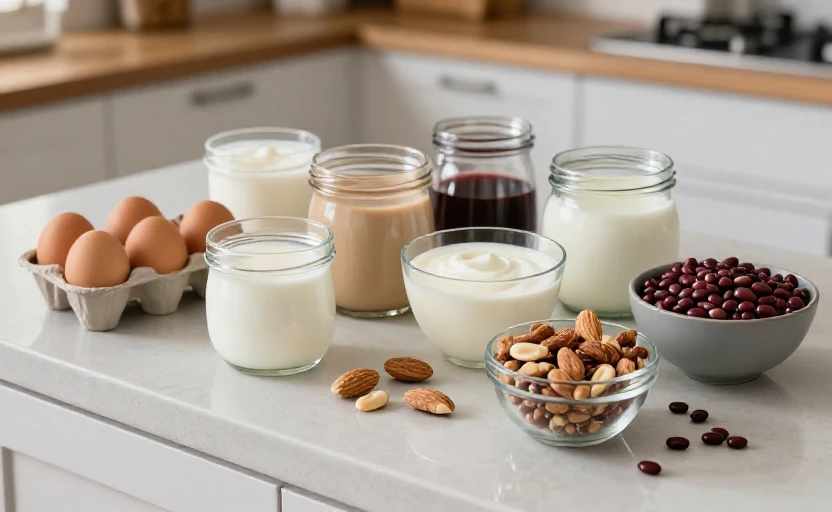
Getting enough protein often feels like a puzzle. You know it’s important for energy, muscle maintenance, and feeling full, but the idea of meticulously tracking grams or overhauling every meal can be overwhelming. The good news is that boosting your protein doesn’t require a complex plan or a total diet reboot. It’s about simple, repeatable tweaks to what you’re already doing.
By focusing on a few foundational habits, you can consistently support your body’s needs without the mental load. Here are three straightforward daily practices to help you get more protein effortlessly.
Start your day with a protein-forward breakfast
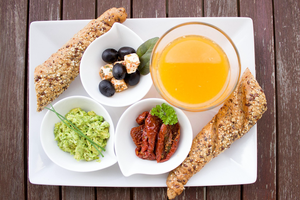
How you begin your morning sets the nutritional tone for the day. A breakfast rich in protein helps stabilize energy, curb mid-morning cravings, and provides essential building blocks right from the start. Instead of a carb-heavy meal, think of incorporating one substantial protein source.
This doesn’t mean you need a plate of plain chicken at 7 a.m. It’s about intentional additions. Stir a scoop of plain Greek yogurt into your oatmeal, blend silken tofu into a morning smoothie, or top whole-grain toast with a generous spread of nut butter. Even adding a couple of eggs or a serving of cottage cheese can make a significant difference.
Anchor your morning with at least 15-20 grams of protein to promote satiety and steady energy.
Use the "protein pairing" principle at meals
This habit is about visual balance and simple upgrades. Look at your lunch and dinner plate and ask: Where’s the protein? The goal is to ensure a quality source is present and prominent alongside your vegetables and grains.
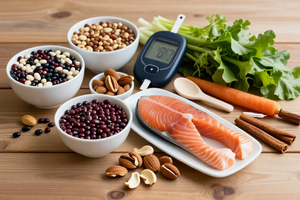
For example, add a can of rinsed beans or lentils to soups and salads. Top a grain bowl with shredded chicken, baked tofu, or a handful of edamame. When making pasta, mix in ground turkey or blend ricotta cheese into the sauce. The principle is to pair your core meal component with a complementary protein, making it an integral part of the dish rather than an afterthought.
- Add beans or lentils to salads and soups.
- Include tofu, tempeh, or fish in stir-fries.
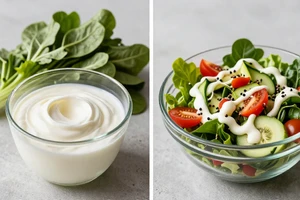
- Mix Greek yogurt or cottage cheese into sauces and dips.
- Choose quinoa or farro as a higher-protein grain base.
Keep smart protein snacks within reach
Strategic snacking is a powerful tool for bridging the gap between meals and preventing energy dips that lead to less-nourishing choices. The key is preparation—having convenient, satisfying options ready to go.
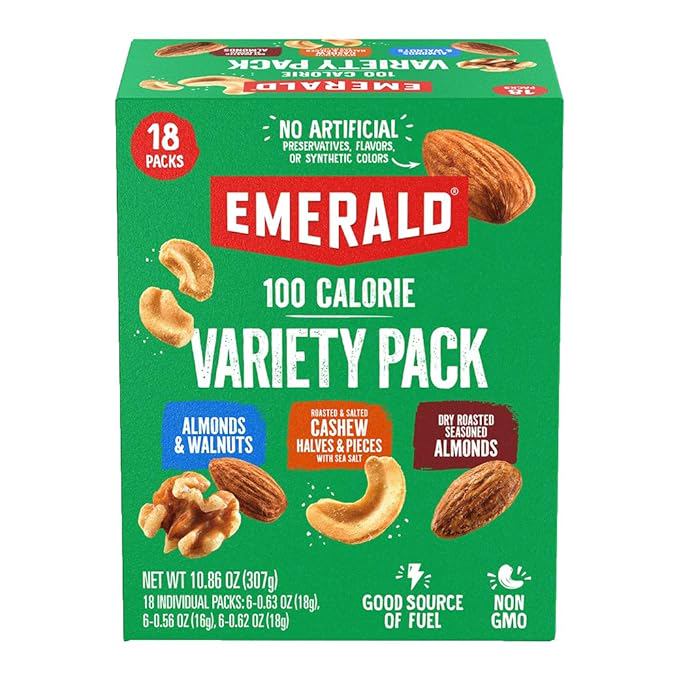
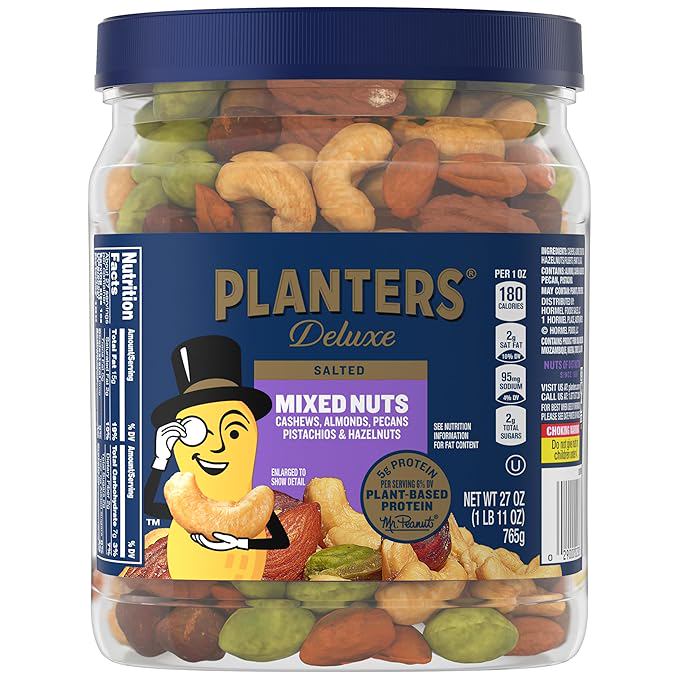
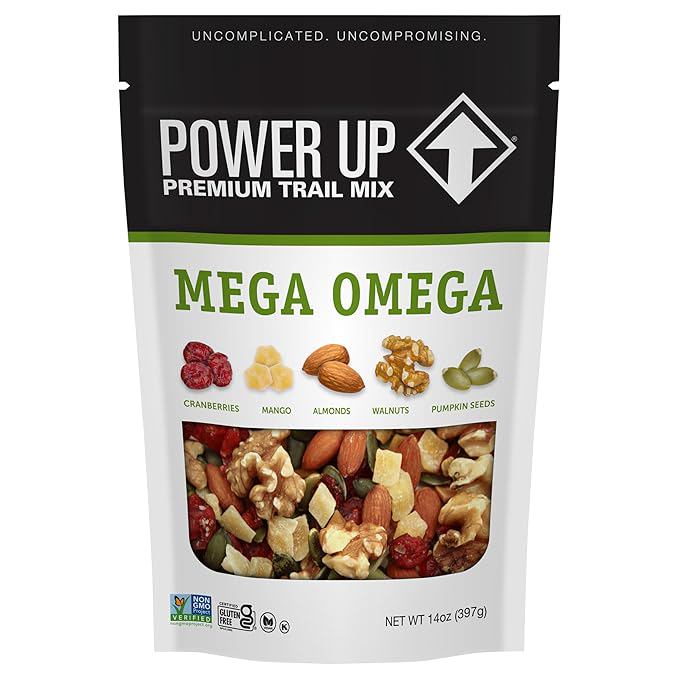
Dedicate a few minutes once a week to prep a batch of hard-boiled eggs, portion out single servings of nuts or roasted chickpeas, or slice cheese to have with apple slices. Keep a tub of Greek yogurt or a container of cottage cheese in the fridge for a quick scoop. When hunger strikes between meals, you’ll have a nourishing, protein-rich option that requires zero thought.
Pre-portioned snacks eliminate decision fatigue and make the healthy choice the easy choice.
Remember, consistency with these small habits matters far more than perfection. You don’t need to count every gram or eliminate foods you love. By focusing on a protein-rich start to your day, intentionally pairing protein with your main meals, and preparing simple snacks, you create a sustainable pattern that naturally elevates your intake. Over time, these practices become second nature, supporting your well-being without overcomplicating your routine.