You reach for a mid-afternoon cookie. You crave chocolate after dinner. You tell yourself it's just a habit, or a lack of willpower. But what if your sugar cravings are actually a signal your body is using to tell you something else entirely? A growing body of health and nutrition research points to one surprising root cause: a deficiency in a specific, essential nutrient.
When we don't get enough of certain vitamins and minerals, our body can interpret that lack as low energy or a need for quick fuel. The fastest source of fuel? Sugar. Instead of fighting your cravings with sheer willpower, it may be more effective to understand what your body is really asking for. Here are three signs that your sugar cravings might mean you're missing a key nutrient… and it's not what you expect.
1. You Feel Hungry Soon After Eating
If you eat a balanced meal and still find yourself looking for something sweet an hour later, it could be a sign of a chromium deficiency. Chromium is a trace mineral that helps insulin shuttle glucose into your cells, where it's used for energy. When chromium levels are low, your cells become less responsive to insulin. Your blood sugar may rise, your energy drops, and your brain signals a craving for quick energy — sugar. This creates a cycle where you eat sugar because you're tired, your blood sugar spikes and crashes, and you crave more sugar.
2. Your Energy Crashes in the Afternoon
That familiar 3:00 PM slump is often blamed on a poor night's sleep or a heavy lunch. But it can also be a signal that your body is low in magnesium. Magnesium plays a role in glucose metabolism and insulin sensitivity. When your magnesium levels are insufficient, your body may struggle to regulate blood sugar effectively. This leads to a noticeable energy dip, and your brain pushes you toward sugar for a quick lift. Magnesium-rich foods like leafy greens, nuts, and seeds help stabilize blood sugar and smooth out those energy swings.
3. You Crave Chocolate Specifically
An intense desire for chocolate — not just any candy — is one of the most specific craving signals. While chocolate provides a small amount of magnesium, your body may be asking for more. Severe or even moderate magnesium deficiency has been linked to cravings for chocolate, since cacao is one of the richest natural sources. If you regularly crave high-quality dark chocolate, your body may be trying to address a magnesium gap. Choosing dark chocolate with a high cocoa percentage can help, but it's better to address the deficiency directly with whole foods.
What Nutrient Are You Likely Missing?
The common thread linking these three signs is a shortage of magnesium. Magnesium is involved in more than 300 biochemical reactions in the body, including blood sugar control, energy production, and nerve function. Despite its importance, magnesium deficiency is surprisingly common. Modern diets, soil depletion, and stress all contribute to lower magnesium levels in many people.
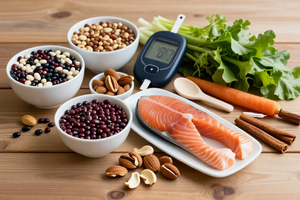
If you recognize one or more of these signs in your own life, it may be worth examining your magnesium intake. Focus on adding magnesium-rich whole foods like spinach, Swiss chard, pumpkin seeds, almonds, black beans, and bananas to your daily routine. These foods also provide fiber and other phytonutrients that help slow sugar absorption and improve overall health.
Supplements can help bridge a gap, but they should not replace whole foods or professional medical advice. Always consult with a healthcare provider before starting a new supplement, as dosage and absorption can vary widely based on individual health needs.
Your sugar cravings are not a moral failing — they are a form of communication. When you learn to read the signs, you can respond with nourishment instead of guilt.