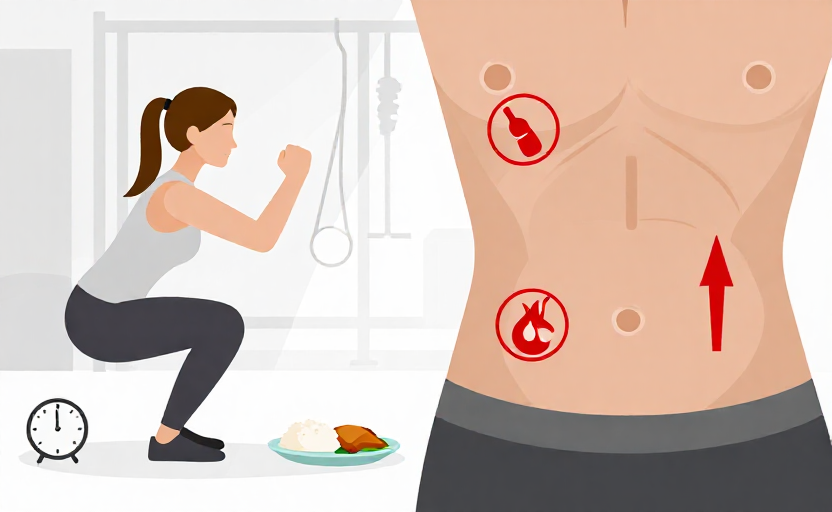
You’ve eaten what you thought was a sensible meal before hitting the gym—maybe a banana and peanut butter, or a bowl of oatmeal. But halfway through your squats, your stomach starts churning, gurgling, or cramping. It’s a familiar frustration: your body is trying to fuel a heavy lift, but your digestive system is staging a protest. The issue isn’t always the size of the meal; often, it’s the timing, composition, or individual tolerance. Let’s look at three specific signs that your pre-workout food is working against you—and what you can do about it.
1. Early-Onset Bloating or Gas
If you feel puffed up or start passing gas within the first 15 to 20 minutes of your warm-up, your meal is likely fermenting too quickly in your gut. This often happens when you eat high-fiber foods like beans, broccoli, or whole grains too close to training. Fiber is excellent for digestion in general, but it draws water into the intestine and can be fermented by bacteria, producing gas.
What to try: Swap a high-fiber pre-workout meal (like a bran muffin or lentil soup) for a simpler option such as white rice with chicken, a slice of white toast with jam, or a ripe banana. These provide quick energy without the bulk.
2. Cramping or Side Stitches During Compound Lifts
That sharp pain on the side of your abdomen—often called a side stitch—or a lower abdominal cramp during deadlifts or overhead presses is a classic sign of compromised blood flow. Your digestive system demands a steady blood supply to process food. When you start lifting heavy, your muscles demand more blood too, and the two systems compete. The result is ischemia (reduced blood flow to the gut lining), which can lead to spasm and pain.
This sign is especially common if you ate a moderate-to-large meal 30 to 60 minutes before lifting. The stomach has started digesting but hasn’t cleared its contents into the small intestine, so the gut is still in full work mode when you begin your set.
What to try: Aim to finish your last solid meal at least 90 to 120 minutes before training. If that’s not possible, stick to a very small snack—like 100–150 calories of simple carbs—30 minutes prior.
3. Nausea or Acid Reflux When Bent Over
Do you feel a burning sensation in your chest or a wave of nausea when you fold into a deadlift setup or come out of a squat? That’s the classic reflux sign. The valve between your stomach and esophagus (the lower esophageal sphincter) relaxes during exercise for some people, especially when intra-abdominal pressure increases. If your stomach still contains acidic food or liquid, it can splatter upward.
Fatty meals, spicy foods, and large volumes of liquid all make this worse. So does caffeine—a pre-workout drink that contains high amounts of caffeine or other stimulants can further relax the sphincter and increase acid production.
What to try: Skip high-fat or spicy pre-workout meals entirely. If you drink coffee or a pre-workout, keep it to a half serving. Consider an antacid tablet if reflux is a frequent problem—but check with your doctor first.
How to Prevent Stomach Trouble Without Skipping Fuel
The goal isn’t to train on an empty stomach—most people need some energy for performance. Instead, adjust the type, timing, and quantity. For most lifters, a pre-workout meal that combines ~20–30 grams of protein with simple carbohydrates (like a small turkey sandwich on white bread or Greek yogurt with a handful of low-fiber berries) offers a good balance.
- Time it right: 2–3 hours before lifting for a full meal; 30–60 minutes for a small snack.
- Watch the fat and fiber: Keep both low in the meal immediately before training.
- Hydrate steadily: Drink water throughout the day rather than chugging a liter right before the workout.
- Test and log: Keep a simple food diary for a week, noting what you ate and how you felt during each session. Patterns become obvious fast.
If you consistently experience any of the three signs above, try making one change at a time—swap the food, adjust the timing, or reduce portion size. Most digestive issues during lifting are short-lived and easy to fix once you know what your gut is trying to tell you.