
You crushed your workout. You felt the burn, pushed through the last rep, and now you’re sore in all the right places. But a few hours later, that soreness lingers into something sharper, or your energy never really bounces back. You might assume that’s just part of the process — but sometimes, it’s a sign that your post-workout meal isn’t doing its job.
Muscle repair is not automatic. It depends on what you eat after you train. If your recovery plate is missing key components, your body won’t have the raw materials it needs to rebuild. Here are three clear signs your current post-workout nutrition is falling short — and what to eat instead.
1. You’re Still Deeply Sore 48 Hours Later
Delayed-onset muscle soreness (DOMS) is normal. You should feel some tenderness and stiffness 24 to 72 hours after a tough session. But if you’re still wincing when you sit down or climb stairs two days later — and the pain feels more like a dull ache that won’t fade — your muscles may not be getting enough protein to kickstart repair.
During exercise, muscle fibers develop micro-tears. Protein provides the amino acids needed to rebuild those fibers stronger than before. Without a sufficient dose soon after your workout, the repair process stalls. You stay sore longer, and your next workout suffers.
What to eat instead
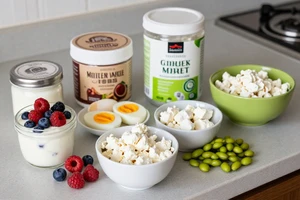
Your post-workout meal should contain 20 to 30 grams of high-quality protein. This doesn’t require a shake — real food works just as well. A grilled chicken breast, a can of tuna, a cup of Greek yogurt, or three scrambled eggs all hit that range. Pair it with a carbohydrate source like a sweet potato or a piece of fruit to replenish glycogen stores and help shuttle amino acids into muscle tissue.
2. You Feel Wiped Out, Not Energized, After Eating
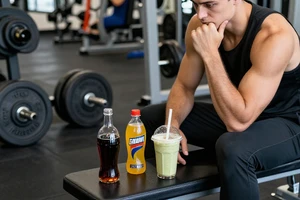
Food is fuel, but the wrong mix can leave you feeling sluggish instead of restored. If you reach for a post-workout meal that’s mostly fat or simple sugar — think a greasy burger with fries or a sugary sports drink — you might get a quick energy spike followed by a crash. That crash tells you your body didn’t get the balanced nutrients it needed to restore energy and rebuild muscle.
Another clue: If you feel mentally foggy or physically heavy for more than an hour after eating, your meal was probably too low in carbohydrates and too high in fat. Fat slows digestion, which delays the delivery of both carbs and protein to tired muscles. You want energy to return, not settle in for a nap.
What to eat instead
Build your recovery plate around a 3:1 or 4:1 ratio of carbs to protein. That doesn’t mean pasta with a sprinkle of chicken — aim for about 40–60 grams of carbs alongside your protein. A bowl of oatmeal with a scoop of protein powder and a banana works. So does a turkey sandwich on whole-grain bread or a quinoa salad with chickpeas and roasted veggies. The carbs replenish glycogen; the protein repairs muscle. Together, they restore your energy.
3. Your Muscles Feel Tight, Twitchy, or Cramp Easily
If your legs feel like they’re about to seize up during your cool-down, or you notice your calf twitching hours after you leave the gym, electrolyte imbalance may be the issue. Sweat losses include sodium, potassium, magnesium, and calcium — minerals your muscles need to contract and relax properly. If your post-workout meal is all solids and no fluids, or if you skip electrolytes entirely, cramping and tightness will persist even after you’ve eaten.
This is especially common for people who train in hot environments or sweat heavily. A post-workout protein bar or a handful of almonds might hit your macros, but it won’t replace what poured out of your pores.
What to eat instead
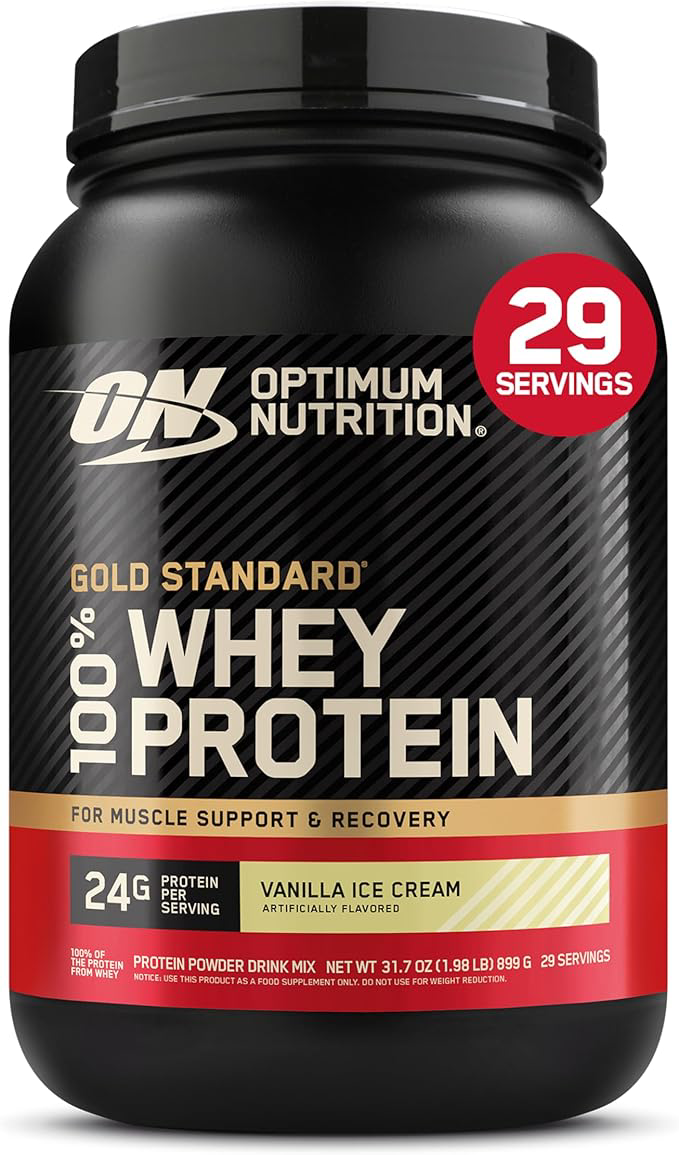
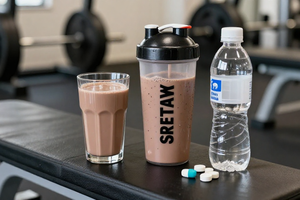
Rehydrate and re-mineralize. Drink water with a pinch of salt, or choose foods naturally rich in electrolytes. A glass of chocolate milk provides fluid, carbs, protein, sodium, and potassium. A smoothie made with coconut water, banana, spinach, and a scoop of protein powder delivers a wide range of minerals. Or try a bowl of miso soup — it’s hydrating, salty, and goes down easy even when you’re not hungry for a full meal. Add a side of roasted sweet potatoes or a handful of pumpkin seeds to cover magnesium.
The bigger picture: Timing and total intake
Eating the right foods is only half the equation. The timing of your post-workout meal matters, too. Aim to eat within 30 to 60 minutes after you finish training, when your muscles are most receptive to nutrients. If you wait too long — say, three or four hours — you miss that optimal repair window. The same meal eaten later will still help, but you won’t get the same recovery boost.
Also, pay attention to your overall daily protein intake. One good post-workout meal won’t fix a day of grazing on low-protein snacks. Spread your protein across three to four meals or snacks each day to keep your muscles in repair mode.
A quick check: If your soreness, energy, or muscle tightness doesn’t improve after adjusting your post-workout meals for a week, consider talking to a sports dietitian or your doctor. Persistent pain or fatigue can sometimes signal something beyond nutrition.
Your post-workout meal isn’t just a reward for finishing a set — it’s the construction crew that repairs the damage. When you choose the right balance of protein, carbs, fluids, and electrolytes, your body responds faster, feels stronger, and gets ready for your next workout sooner.