You’re sticking to your low-carb plan, skipping the bread and pasta, and yet the scale isn’t budging. Or maybe you’re losing weight but feel constantly drained, irritable, or hungry. That’s your body signaling that something is off — and it might be a macronutrient imbalance.
Fat loss isn’t just about cutting carbs. Your body needs the right blend of protein, healthy fats, and even carbohydrates to keep your metabolism humming, your hormones balanced, and your energy stable. Here are three specific signs that your low-carb diet may be missing key macronutrients — and what to do about it.
Sign 1: Your Energy Crashes Midday — Even After Eating
If you feel a slump a few hours after a meal, it could mean your plate lacks sufficient protein or healthy fat. Protein and fat slow down digestion and help stabilize blood sugar. When you eat a very low-carb meal that is also low in protein and fat — say, a big salad with light dressing — your blood sugar may spike and then drop, leaving you fatigued and craving sugar.
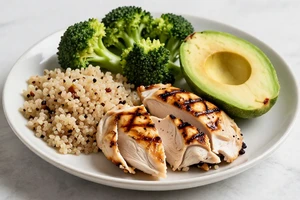
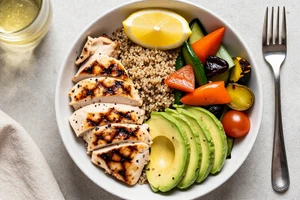
What to check: Are you getting at least 20–30 grams of protein per meal? That’s roughly a palm-sized portion of chicken, fish, eggs, or tofu. And are you including fat sources like avocado, olive oil, nuts, or full-fat dairy? A well-composed low-carb meal should keep you satisfied for 4–5 hours without needing a snack.
Sign 2: You’re Losing Weight but Losing Muscle Too
Rapid weight loss on a very low-carb diet can be encouraging, but if your body composition is shifting toward less muscle and more fat, you’re setting yourself up for a slower metabolism later. One clear sign is that your strength at the gym is dropping, or your clothes fit differently even though the scale goes down.
The likely culprit: Not enough protein to support muscle preservation. When you cut carbs, the body turns to stored glycogen and, if protein is insufficient, muscle tissue for fuel. Aim for at least 1.6–2.2 grams of protein per kilogram of body weight if you’re active. And don’t fear carbs around workouts — a small amount of carbohydrates post-exercise can help shuttle protein into muscles without sabotaging fat loss.
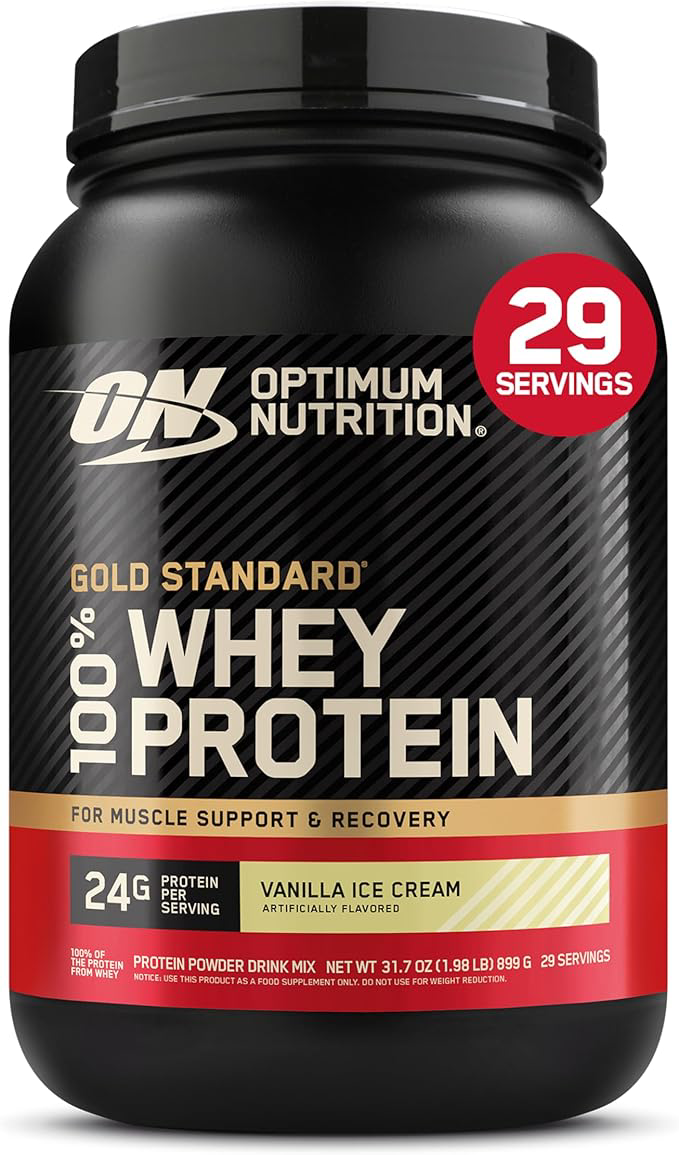
Tip: If you feel weak during workouts or notice your recovery is slower, try adding a protein-rich snack — like Greek yogurt, cottage cheese, or a clean protein shake — within an hour after training.
Sign 3: Your Cravings Are Out of Control — Especially for Sweets
Intense cravings for sugar or carbs are often a sign that your fat intake is too low. Healthy fats are essential for satiety and for the production of hormones that regulate appetite, such as leptin and ghrelin. When fat drops too low — common in people who try to eat “low-fat low-carb” — your brain can interpret that as deprivation, triggering powerful hunger signals.
What to adjust: Include a serving of healthy fat at every meal. That might be half an avocado, a tablespoon of olive oil on vegetables, a handful of almonds, or a portion of fatty fish like salmon. Also consider increasing your carbohydrate intake slightly from nutrient-dense sources like leafy greens, berries, or legumes. For some people, very low-carb is not sustainable and a moderate-carb approach (100–150 grams per day) works better for long-term fat loss.
How to Rebalance Your Low-Carb Diet
If any of these signs resonate, here are three steps you can take this week:
- Prioritize protein. Make protein the star of each meal. Rotate through chicken, turkey, beef, eggs, fish, tofu, tempeh, and legumes (if they fit your carb budget).
- Don’t fear fat. Add a source of unsaturated fat to every plate. The fat will help you absorb fat-soluble vitamins and keep you satisfied.
- Rethink carbohydrate restriction. Experiment with adding back a small serving of complex carbs — like sweet potato, quinoa, or oats — at the meal after your toughest workout. Many people find this boosts energy and mood without stalling fat loss.
Low-carb dieting is a tool, not a prison. Paying attention to these three signs will help you dial in your macronutrients for better energy, better body composition, and sustainable fat loss.