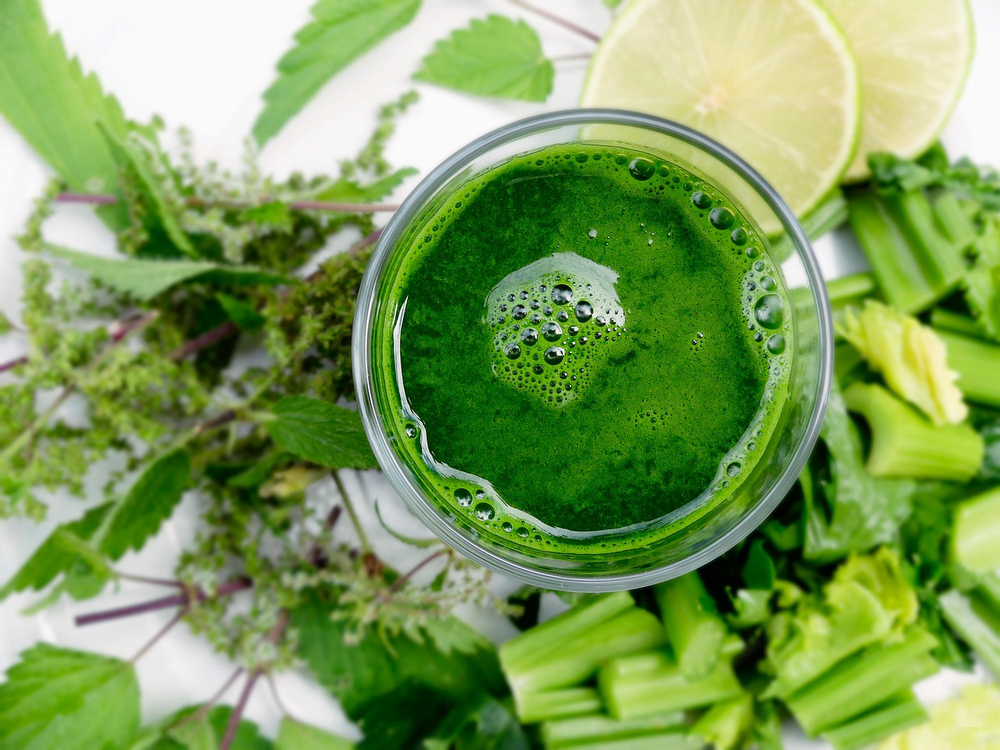
Smoothies have earned a reputation as the ultimate health shortcut. Toss in spinach, berries, protein powder, and almond milk, and you’ve got a quick meal that feels virtuous. But when fat loss is the goal, timing matters as much as ingredients. What looks like a smart choice on paper can quietly undermine your progress if you’re drinking it at the wrong moment or in the wrong context. Here are three clear signs your smoothie might actually be a meal timing mistake.
1. You Drink It as a Snack When It’s Really a Meal
The most common smoothie trap is portion distortion. A typical homemade smoothie made with fruit, yogurt, nut butter, seeds, and milk can easily clock in at 400 to 600 calories. That’s not a snack — that’s lunch or breakfast. If you sip one between meals while still eating your regular breakfast and lunch, you’re layering calories your body doesn’t need. The result? You stay in a calorie surplus without realizing it. A good rule of thumb: if your smoothie contains more than 250 calories, treat it as a meal replacement, not a side drink. If you’re genuinely hungry an hour later, your body is telling you the smoothie didn’t satisfy you, which often means it was too light on protein or fiber.
2. You Down It Too Fast — and Miss Your Body’s Fullness Cues
Drinking a smoothie in five minutes skips the satiety signals that come from chewing and slower eating. Liquid calories pass through your stomach more quickly than solid food, and because they don't trigger the same stretch receptors, your brain may not register fullness until you’ve already consumed more than you intended. This is especially problematic if you’re trying to create a calorie deficit for fat loss. Research shows that people tend to consume more calories overall when they drink their meals compared to eating them. If you finish your smoothie and feel unsatisfied, that’s a sign you’d be better off eating those same ingredients in whole-food form — or at least slowing down and sipping it over 20 minutes.
3. You Use It to “Balance Out” a Previous Indulgence — or Preload for One
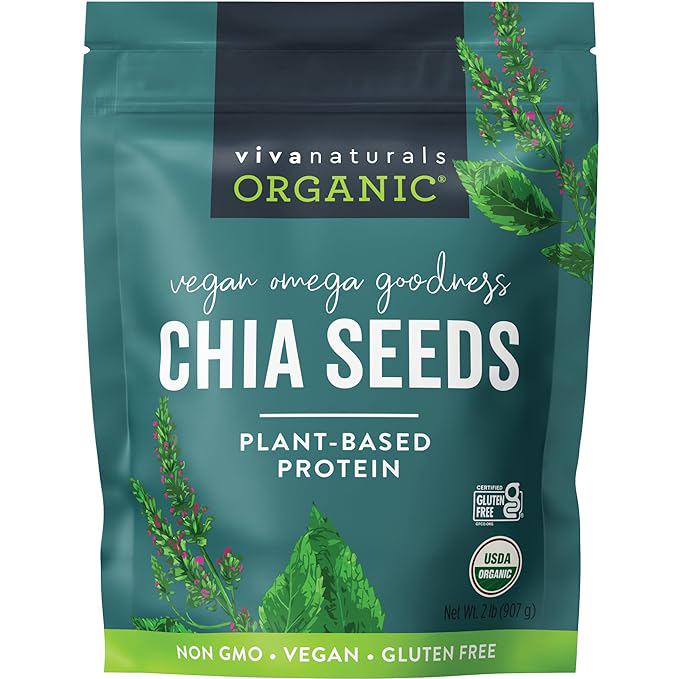
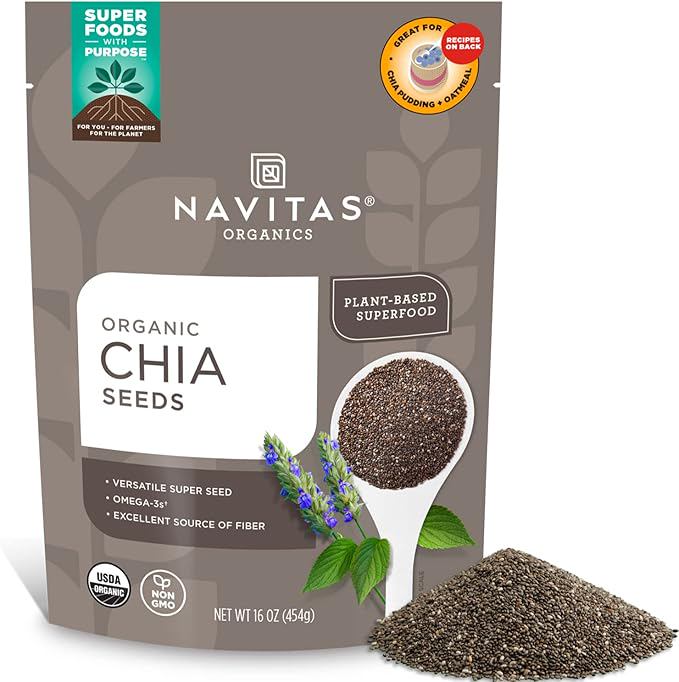
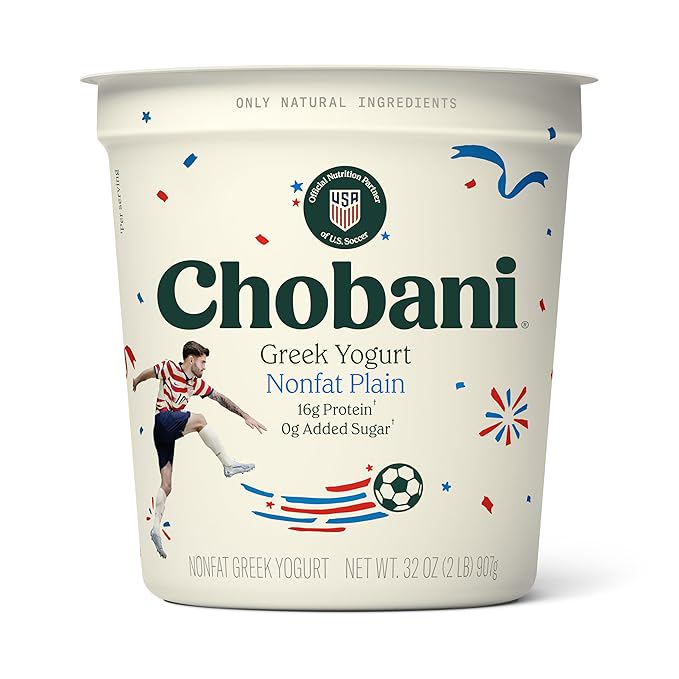
A common mindset is to drink a “light” smoothie as a way to compensate for a big dinner the night before, or to “save calories” for a heavy lunch later. This pattern of reactive meal timing usually backfires. A smoothie that’s mostly fruit and liquid — low in protein, fat, and fiber — can cause a rapid spike and crash in blood sugar. That crash often triggers intense hunger and cravings a couple of hours later, making it harder to stick to your fat loss plan. Instead of using a smoothie as a punishment or a prepayment, it’s better to pair it with a source of protein (like Greek yogurt or a clean protein powder) and some healthy fat (such as chia seeds or avocado) to stabilize energy and keep you satisfied until your next meal.
A quick check: If your smoothie leaves you hungry, craving sugar, or reaching for a second “real” meal within two hours, it’s probably a timing or composition issue — not a willpower problem.
What to Do Instead
If you love smoothies and want to keep them in your routine, think of them as one part of a structured eating plan. The best window for a smoothie is either as a post-workout recovery drink (within 30–60 minutes after exercise) or as a complete breakfast when you’re short on time — as long as it includes at least 20 grams of protein, a handful of greens, and a source of healthy fat. Avoid drinking a smoothie within two hours of a full meal, and never use one to replace water or coffee as a morning thirst-quencher. When you align your smoothie with your body’s actual energy needs — not just your health intentions — it can still be a helpful tool for fat loss, not a hidden saboteur.