In the quest for a healthier diet, fats are often the first thing to be drastically reduced or eliminated. While cutting back on processed and unhealthy fats is wise, a diet that’s too low in all fats can leave your body missing out on essential nutrients it needs to function well. Healthy fats are not the enemy; they’re a fundamental part of cellular health, hormone production, and nutrient absorption.
If you’ve been feeling persistently off despite eating what you think is a clean diet, it might be worth considering whether you’re getting enough of the right kinds of fat. Your body has a way of signaling when something is missing. Here are three subtle but important signs that your diet may be lacking in healthy fats.
1. Your skin feels dry, flaky, or irritated
Your skin is your body’s largest organ, and its outer layer is partly composed of lipids—fats that help form a protective, moisture-sealing barrier. When your intake of essential fatty acids, like omega-3s and omega-6s, is too low, this barrier can become compromised.
You might notice your skin feels persistently dry, rough, or flaky, even when you moisturize. Some people experience increased sensitivity, redness, or conditions like eczema may flare up. This happens because these fats are crucial for maintaining skin integrity and hydration from the inside out. They help regulate oil production and support the skin’s natural repair processes.
Think of healthy fats as your skin’s internal moisturizer. Without them, it’s harder to retain that soft, supple feel.
2. You feel fatigued and mentally foggy
Do you hit a wall in the afternoon that coffee can’t fix, or struggle to concentrate even when you’re well-rested? While many factors can cause fatigue, a chronic lack of dietary fat is a common and overlooked contributor.
Fats are a dense, slow-burning source of energy. Meals with a good balance of healthy fats, protein, and fiber help stabilize blood sugar, preventing the sharp spikes and crashes that lead to energy slumps. Furthermore, your brain is nearly 60% fat. Essential fatty acids are vital components of brain cell membranes and are involved in cognitive function and mood regulation. A diet too low in these fats can literally leave your brain under-fueled, manifesting as brain fog, poor memory, or low mood.
3. You’re always hungry soon after eating
If you find yourself rummaging through the pantry an hour or two after a seemingly substantial meal, take a look at what was on your plate. Fat plays a critical role in satiety—the feeling of fullness and satisfaction after eating. It slows down the digestion process, which means food stays in your stomach longer and nutrients are released into your bloodstream more gradually.
A meal that’s primarily carbohydrates and protein with very little fat will digest relatively quickly, leading to a faster return of hunger pangs. This can trigger a cycle of constant snacking and make it challenging to maintain a balanced eating pattern. Including a source of healthy fat at each meal is one of the most effective ways to promote lasting fullness.
What to do if you recognize these signs
If these signs feel familiar, the solution isn’t to start drenching your food in just any fat. The goal is to thoughtfully incorporate more sources of healthy fats into your daily meals. This shift is about addition, not deprivation.
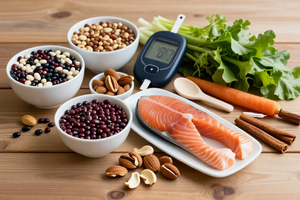
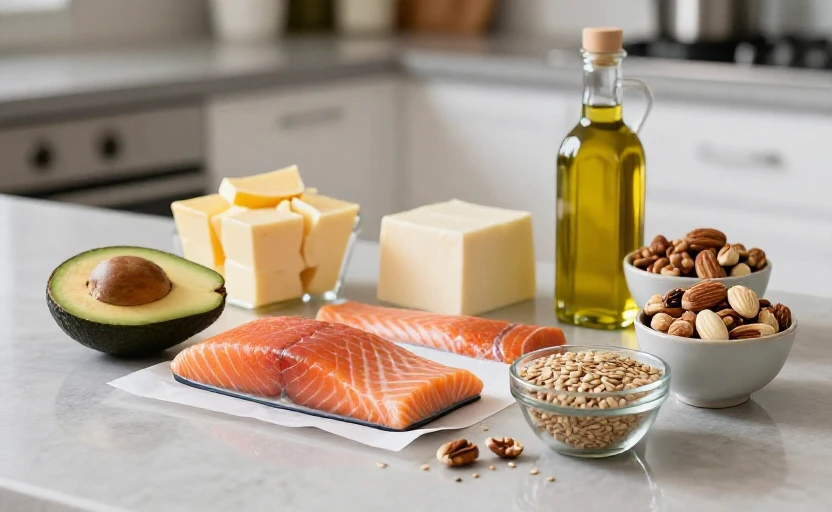
Start by including one or two of these whole-food sources each day:
- Avocados: Slice them on toast, blend them into smoothies, or add them to salads.
- Fatty fish: Salmon, mackerel, sardines, and trout are rich in omega-3s. Aim for two servings per week.
- Nuts and seeds: A small handful of almonds, walnuts, chia seeds, or flaxseeds makes a great snack or topping.
- Olives and olive oil: Use extra-virgin olive oil as your primary dressing and light cooking oil.
- Eggs: Don’t skip the yolk—it contains most of the egg’s vitamins and healthy fats.
Making these changes doesn’t require a complete diet overhaul. It could be as simple as adding a tablespoon of nuts to your morning oatmeal, choosing salmon instead of chicken for dinner twice a week, or using an avocado-based dressing on your lunch salad. Listen to your body’s signals—it’s often the most reliable guide you have.