Antioxidants often get mentioned in the same breath as superfoods and smoothies, but they are far more than a wellness buzzword. These compounds—including vitamins C and E, selenium, and flavonoids—act as your body’s natural defense system. They neutralize free radicals, unstable molecules that can damage cells and contribute to chronic inflammation, premature aging, and disease. When your antioxidant intake dips too low, your body sends quiet signals that are easy to miss.
Here are three signs that your antioxidant levels might not be meeting your body’s needs, and why paying attention matters for long-term health.
1. You feel tired and run down more often than usual
Persistent fatigue is one of the most common—and overlooked—indicators of suboptimal antioxidant intake. Free radicals can damage mitochondria, the tiny power plants inside your cells. When mitochondria are under oxidative stress, they produce less energy, leaving you feeling drained even after a full night’s sleep.
Several studies have linked low levels of antioxidants such as CoQ10, vitamin C, and vitamin E to greater fatigue and slower recovery from physical exertion. If you find yourself leaning on caffeine just to get through the afternoon, it may be worth reviewing how many antioxidant-rich foods you’re eating.
Quick check: Do you eat at least five servings of fruits and vegetables each day? Most adults fall short, which directly affects the body’s ability to combat oxidative stress.
2. Your skin looks dull, dry, or is slow to heal
Your skin is a visible reflection of internal health. Antioxidants like vitamin C and vitamin E help protect skin cells from UV damage and support collagen production. When levels are low, you might notice that your skin lacks its usual glow, feels drier than normal, or that small cuts and scrapes take longer to heal.
Repeated exposure to pollution and sunlight without enough dietary antioxidant support can accelerate visible signs of aging, including fine lines and uneven tone. Rather than reaching for another topical cream, consider whether your diet provides the internal support your skin needs.
3. You catch colds easily or recover slowly
Antioxidants play a direct role in immune function. Vitamin C, zinc, and selenium help immune cells work efficiently and reduce inflammation. When these nutrients are scarce, your immune system may struggle to respond quickly to viruses or bacteria.
If you seem to catch every bug that goes around, or your colds linger for weeks rather than days, it could be a sign that your body lacks the antioxidant reserves needed to mount a strong defense. Research consistently shows that adequate intake of vitamin C shortens the duration of respiratory infections, though it cannot prevent them entirely.
Why low antioxidant intake matters beyond these signs
Over time, chronic oxidative stress is linked to more serious health concerns, including cardiovascular disease, cognitive decline, and certain cancers. The body can produce some antioxidants on its own, but many must come from food. The standard Western diet, heavy in processed foods and low in produce, often fails to deliver enough of these protective compounds.
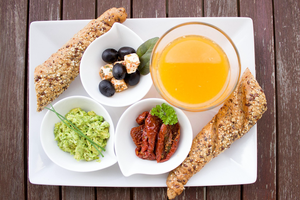
It is not about achieving perfection or eliminating all treats. The goal is to build a pattern of eating that includes a wide variety of colorful plant foods, nuts, seeds, and other whole foods. Even small shifts—adding berries to oatmeal, swapping a processed snack for an apple, or tossing spinach into a smoothie—can gradually raise your antioxidant intake.
Simple ways to increase antioxidants in your daily diet
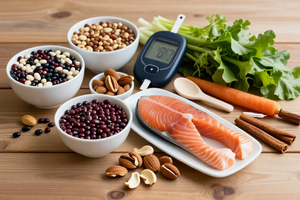
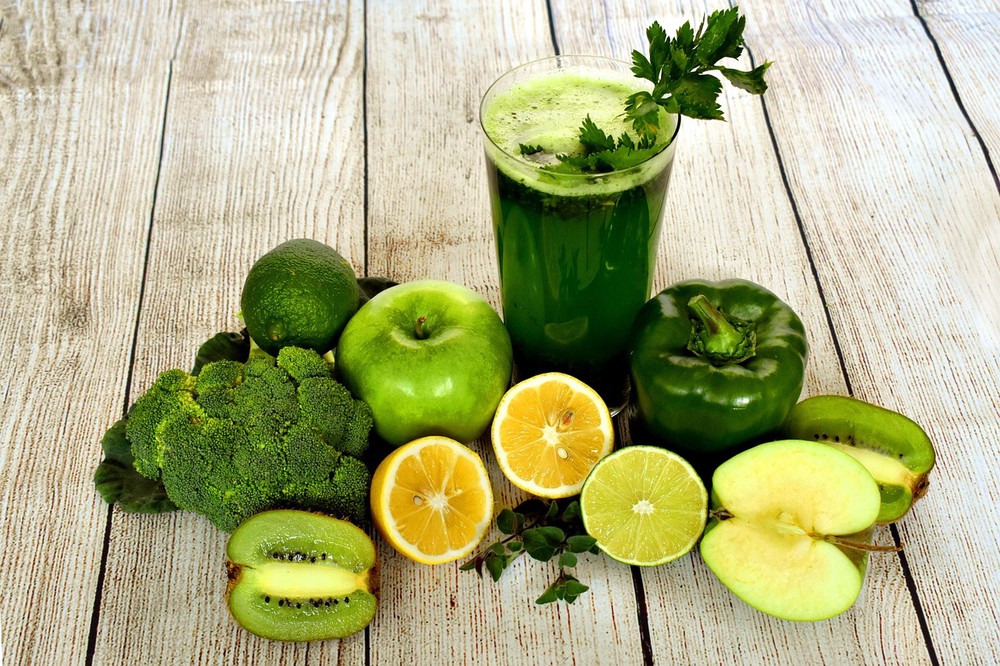
- Eat the rainbow: Red bell peppers, blueberries, dark leafy greens, orange carrots, and purple cabbage each provide different types of antioxidants.
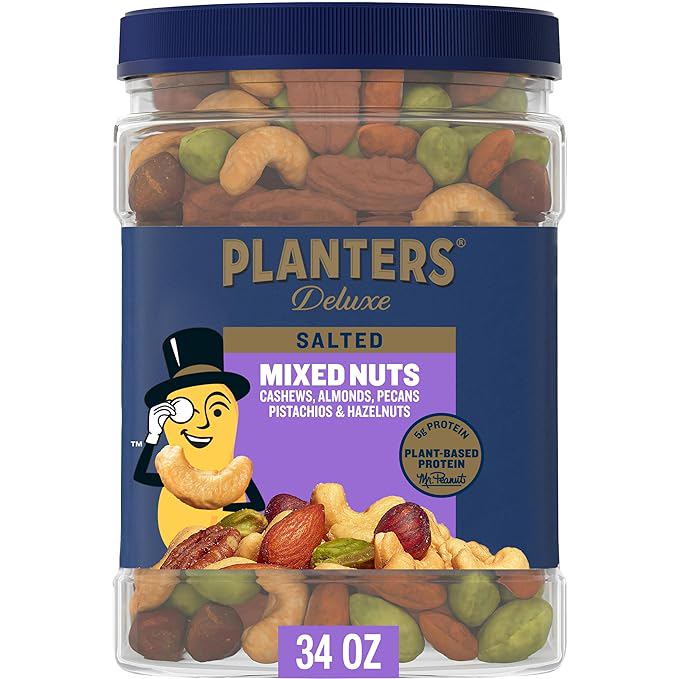
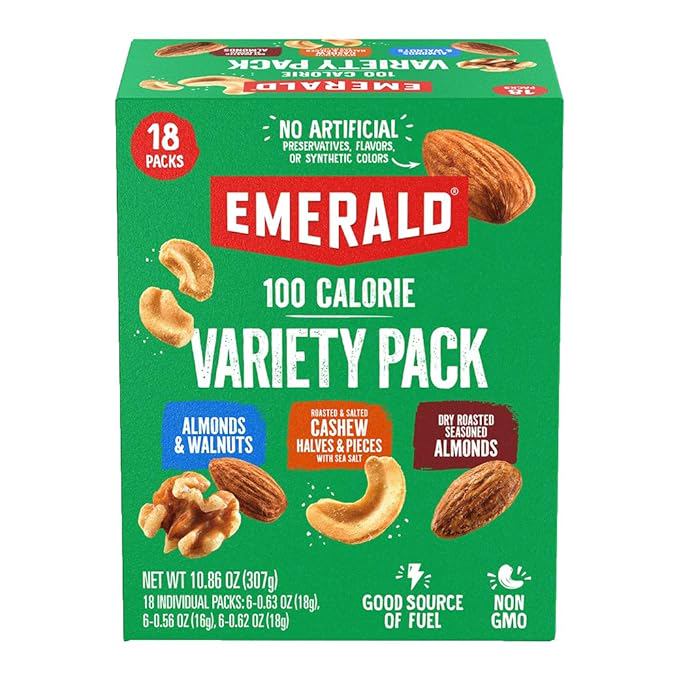
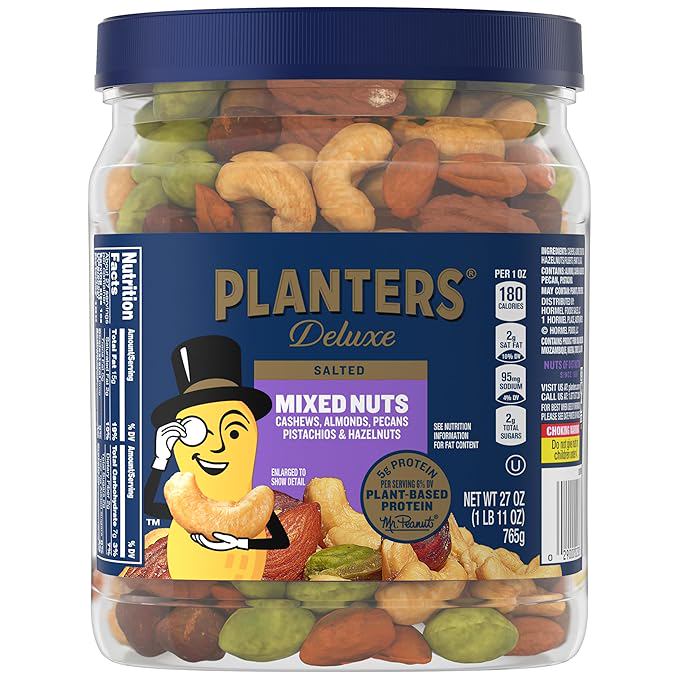
- Include nuts and seeds: Walnuts, almonds, sunflower seeds, and flaxseeds are concentrated sources of vitamin E and selenium.
- Drink green tea or matcha: These beverages are rich in catechins, a class of antioxidants linked to reduced inflammation.
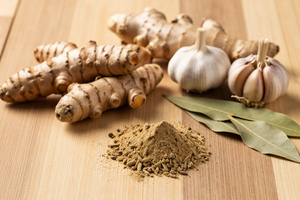
- Use herbs and spices generously: Turmeric, cinnamon, oregano, and cloves pack a surprising antioxidant punch.
- Choose dark chocolate: Look for 70% cocoa or higher to get flavonoids without excessive sugar.
A note on supplements: Whole foods provide a complex mix of antioxidants that work synergistically. High-dose supplements are rarely necessary and may sometimes cause harm. Focus on food first, and consult a healthcare professional before starting any supplement regimen.
Recognizing the signs of low antioxidant intake is the first step. The next is making gradual, sustainable changes that support your energy, skin, immunity, and long-term vitality. Your body will thank you.