
Rest days are non-negotiable. You know this. The science is clear: muscles repair and get stronger during recovery, not during the workout itself. But in the quest to stay active and avoid feeling "lazy," many lifters have embraced the active recovery day with a bit too much enthusiasm. The idea is sound—light movement to increase blood flow and reduce soreness. The execution, however, often turns a helpful tool into a hidden drain on your progress.
If your strength numbers have stalled, or you feel perpetually drained despite taking rest days, your 'active recovery' might be the culprit. Here are three clear signs that your light day is actually working against your strength gains.
Sign #1: Your Heart Rate Is Still Elevated
Active recovery is supposed to keep your nervous system in a parasympathetic (rest-and-digest) state. You want gentle circulation, not a cardiovascular challenge. If you are doing a light jog, a brisk hike, or a flow yoga class and your heart rate is consistently above 120 beats per minute, you have crossed the line from recovery into a low-grade workout.
This pushes your sympathetic nervous system (fight-or-flight) back into action. You are adding systemic fatigue, not clearing it out.
The rule of thumb: On a true active recovery day, you should be able to hold a normal conversation without panting. If you are breathing hard, you are working too hard. Dial it back to a leisurely walk or gentle mobility work that keeps your heart rate low.
Sign #2: You Are Sorer Afterward Than Before
A little bit of movement can help ease delayed onset muscle soreness (DOMS) by flushing out metabolic waste. But there is a fine line. If you finish your recovery session feeling more stiff, sore, or fatigued than when you started, you have caused micro-damage, not relief.
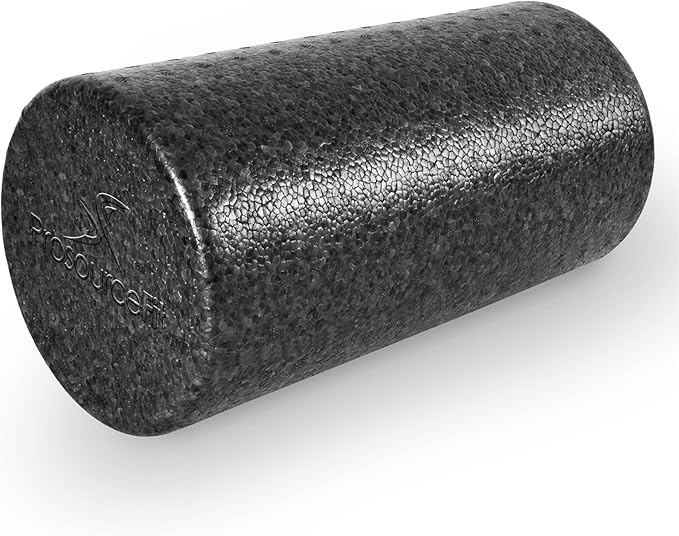
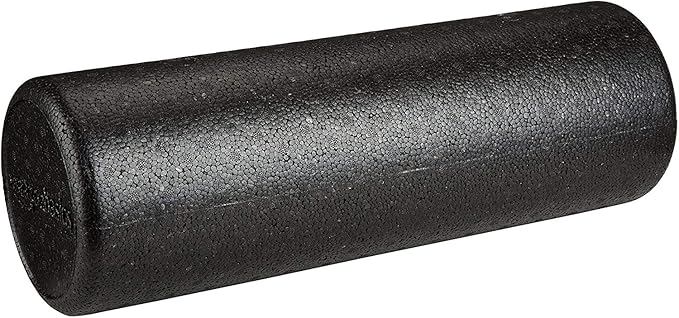
This is common when people choose the wrong modality. For example, if your legs are fried from heavy squats, a long session on the stationary bike at moderate resistance might sound good, but it can further exhaust the already broken-down quadriceps and glutes. The same goes for intense stretching or foam rolling that feels like you are fighting the muscle rather than releasing it.
Your recovery work should make your muscles feel looser and more relaxed within the first ten minutes. If the discomfort increases, stop. True recovery is never a grit-your-teeth affair.
Sign #3: You Are Hungrier and More Tired the Next Day
This is the most telling sign. If your 'rest day' leaves you waking up the next morning with a higher appetite and lower energy than usual, you have burned too many calories and depleted your glycogen stores. Strength gains rely on energy balance and full glycogen reservoirs for the next heavy session.
Prolonged, moderate-intensity activity (think 45+ minutes of hiking, cycling, or pickleball) can deplete the same energy systems you need for lifting. Your body needs that time to replenish, not to be forced into another demand. If your next strength workout feels flat, heavy, or your warm-up takes forever, look back at what you did the day before.
What to Do Instead: The '75% Rule'
The safest framework for an active recovery day is to keep the intensity and volume below 75% of what you would consider a light workout. The goal is movement for its own sake, not fitness improvement. Stick to these guidelines:
- Time: Limit total activity to 20–30 minutes. You do not need an hour of movement to recover.
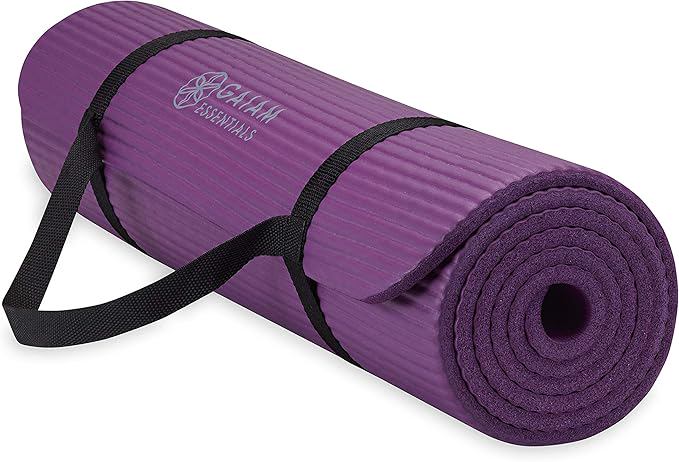
- Type: Prioritize walking, very gentle yoga (restorative or yin), or dedicated mobility drills (like hip CARs or shoulder dislocates).
- Intensity: It should feel easy. If you find yourself checking your watch or pushing through discomfort, you are likely doing too much.
Remember, you do not get stronger on the day you lift. You get stronger in the quiet hours and easy days that follow. Treat your recovery days with the same respect as your heavy sets.