Protein is the quiet workhorse of your body. It’s not just for building muscle; it’s essential for creating hormones and enzymes, repairing tissues, and keeping your immune system strong. When your intake dips too low, your body starts sending signals. These signs can be subtle and easy to dismiss as everyday stress or fatigue, but recognizing them is the first step toward feeling more balanced and energized.
Let’s look at three common, yet often overlooked, signs that your diet might be lacking this crucial nutrient.
1. You feel constantly tired and struggle to focus
It’s normal to feel drained after a long day, but if a persistent, heavy fatigue has become your baseline—the kind that a good night’s sleep doesn’t fix—it’s worth considering your protein intake. Protein provides the amino acids your body uses to produce neurotransmitters, the chemical messengers that regulate your energy, mood, and concentration.
When protein is scarce, your body may struggle to maintain steady levels of dopamine and norepinephrine, which are vital for alertness and motivation. You might find yourself reaching for sugary snacks or extra coffee just to get through the afternoon, only to crash later. This isn’t just about physical energy; it’s a mental fog that makes simple tasks feel arduous.
Think of protein as the foundation for your brain’s communication network. Without enough building blocks, the signals can get weak and fuzzy.
2. You're losing hair or your nails are brittle
Your hair and nails are made of a protein called keratin. They’re not essential for survival, so when your body is conserving resources due to a shortage, it prioritizes vital organs over these non-critical tissues. This can lead to noticeable changes.
You might see more hair than usual in your brush or shower drain. Your nails may become thin, peel easily, or develop ridges. While many factors like stress, hormones, or vitamin deficiencies can cause this, a prolonged lack of dietary protein is a common contributor. It’s your body’s way of redirecting its limited protein supply to more urgent internal repairs.
3. You get sick often and heal slowly
If you seem to catch every cold that goes around, or a small cut or bruise takes weeks to heal, your immune system might be running on empty. Antibodies, the soldiers of your immune system, are proteins. So are many of the compounds needed to repair skin and rebuild tissue.
A diet consistently low in protein can leave your body without the raw materials to mount a strong defense or conduct efficient repairs. You become more susceptible to infections, and recovery from illness or minor injuries drags on. This sign is a clear indicator that your body’s maintenance and defense systems are being compromised.
What to do if you recognize these signs
Noticing one or more of these signs doesn’t automatically mean you have a protein deficiency—they can overlap with other health conditions. The most prudent first step is to discuss your symptoms with a doctor or a registered dietitian. They can help rule out other causes and provide personalized guidance.
If you and a healthcare professional suspect your diet could use more protein, the solution isn't about drastic overhauls or expensive supplements. It’s often about thoughtful additions and swaps.
- Start your day with protein: Instead of a plain bagel or sugary cereal, try Greek yogurt, eggs, or a smoothie with nut butter.
- Include a protein source in every meal and snack: Add a handful of chickpeas to your salad, pair an apple with a few slices of cheese, or top whole-grain crackers with tuna.
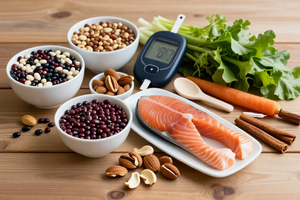
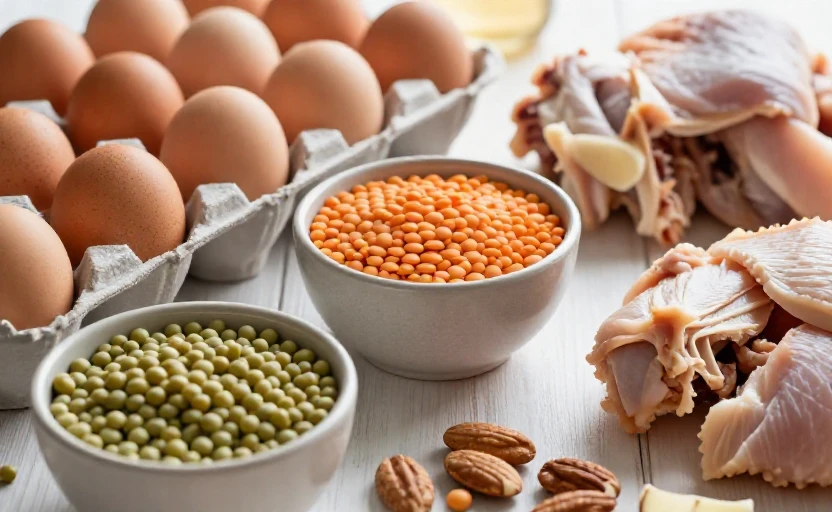
- Think beyond meat: Excellent plant-based sources include lentils, beans, tofu, tempeh, edamame, quinoa, nuts, and seeds.
Making these consistent, small adjustments can help ensure your body has the steady supply of amino acids it needs to function at its best, keeping fatigue, weakness, and slow recovery at bay.