
Switching to a plant-based diet can be one of the most rewarding changes for your health and the planet. But even the most careful eaters can accidentally fall short on a few critical nutrients. You might feel tired, notice changes in your skin, or struggle with recovery after exercise—and not connect those signals to your plate.
The good news is that these signs are usually easy to fix. Below are three common indicators that you might need to adjust your plant-based eating pattern, along with practical, whole-food ways to bridge the gap.
1. You Feel Constantly Drained or Lightheaded
Ongoing fatigue—the kind that doesn't improve with a good night's sleep—is one of the earliest signals that something is off. On a plant-based diet, two nutrients often sit at the root of that exhaustion: iron and vitamin B12.
Iron from plants (non-heme iron) is less readily absorbed by the body than iron from animal sources. If your meals rely heavily on salads and fruit but skip legumes, leafy greens, and fortified grains, your iron stores can drop. Low iron can leave you feeling weak, dizzy, and short of breath. Vitamin B12 deficiency, meanwhile, can cause a specific type of fatigue along with tingling in the hands or feet and brain fog.
What to add
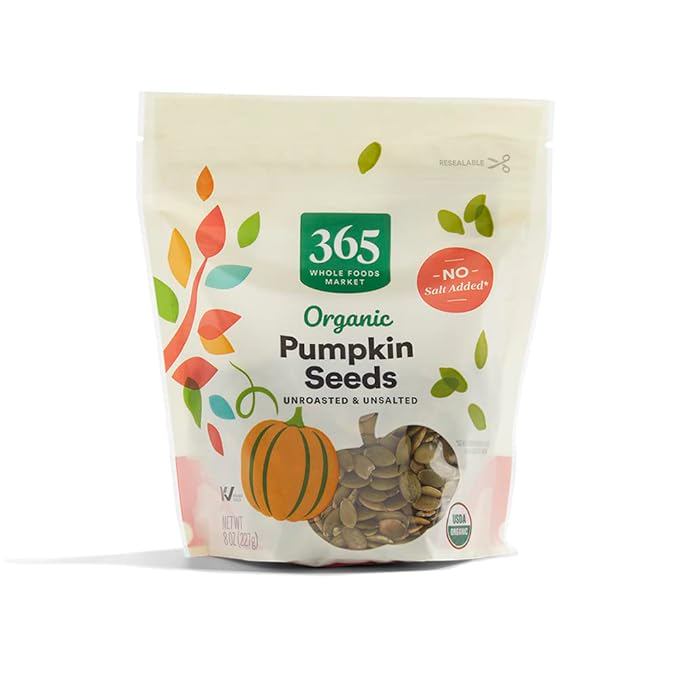
Pair iron-rich foods like lentils, chickpeas, spinach, and pumpkin seeds with a source of vitamin C—think a squeeze of lemon over your dal or bell peppers in your bean salad. This combination can boost absorption significantly. For B12, rely on fortified foods (plant milks, nutritional yeast, breakfast cereals) or consider a supplement, as this vitamin is not reliably found in unfortified plant foods.
2. Your Hair, Skin, and Nails Look Lackluster
Your body prioritizes essential nutrients for vital organs first. When you are low on zinc, omega-3 fatty acids, or protein, your hair, nails, and skin are often the first to show it. A plant-based eater might notice hair thinning, slow nail growth, or dry, flaky skin that doesn't seem to respond to moisturizer.
Zinc plays a role in cell growth and repair, and plant sources are often bound to compounds (phytates) that reduce absorption. Omega-3s, specifically DHA and EPA, are mostly found in fish; the plant form (ALA) converts inefficiently in the body.
What to add
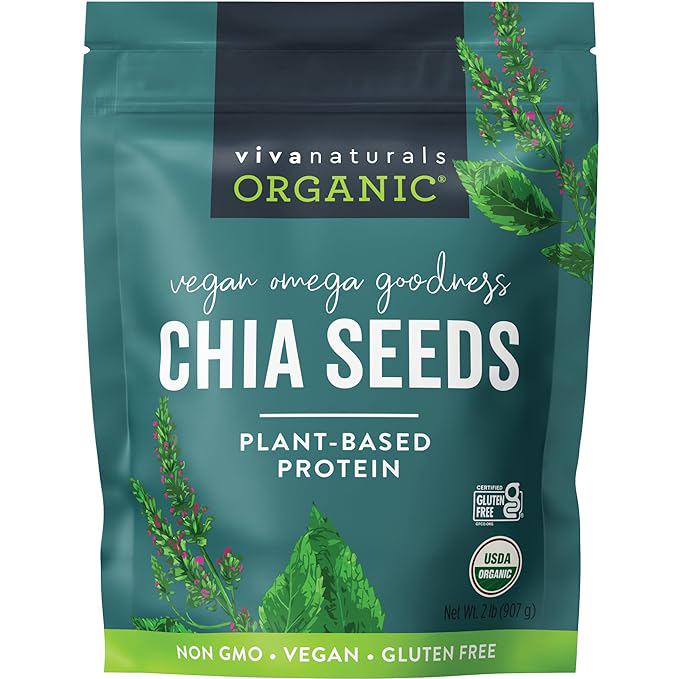
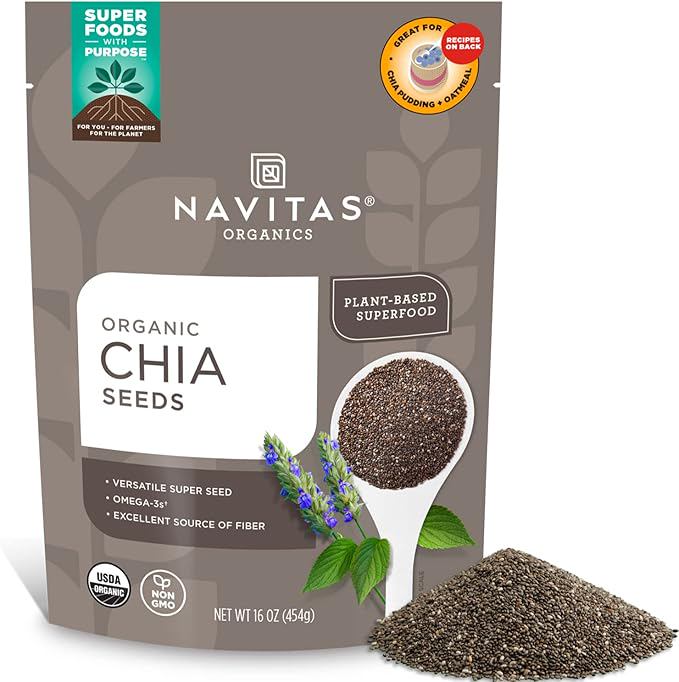
Include zinc-rich foods daily: pumpkin seeds, hemp seeds, cashews, chickpeas, and oats. Soaking legumes and grains can help reduce phytates and improve zinc availability. For omega-3s, add ground flaxseed, chia seeds, and walnuts to your meals. A good algae-based DHA supplement can also take the pressure off your body to convert ALA.
3. Your Muscles Take a Long Time to Recover After Exercise
If you feel unusually sore or weak after workouts, or if you notice your strength isn't building the way it used to, your protein intake or amino acid profile might need a tweak. While it is entirely possible to get enough protein on a plant-based diet, many people rely on incomplete sources without realizing they need a variety of plant proteins to cover all essential amino acids.
Another often-overlooked nutrient for recovery is iodine. Iodine supports thyroid function, which regulates your metabolism and energy production. A low-iodine intake can make your muscles feel sluggish and slow to recover.
A quick caveat: Persistent or severe symptoms—especially tingling, confusion, or extreme fatigue—warrant a check-in with your healthcare provider and a blood test, not just a diet tweak.
What to add
Make sure every meal contains a solid protein source: tofu, tempeh, edamame, lentils, or seitan. Combining different plant proteins throughout the day (such as rice and beans, or hummus with whole-grain pita) ensures you get a complete amino acid profile. For iodine, include a small amount of sea vegetables like nori in your sushi or salads, or choose iodized salt for seasoning.
Paying attention to these three signals—fatigue, dull appearance, and slow recovery—can help you fine-tune your plant-based diet before small gaps turn into bigger health issues. A whole-foods, varied approach with a few strategic additions is usually all it takes to feel energized and well-nourished.