
You have your workout planned, your water bottle filled, and your mindset dialed in. But when it comes to eating before a core-focused session, one wrong bite can leave you feeling heavy, crampy, or just off. The right pre-workout snack is a strategic choice: it should give you steady energy without making you feel like you are carrying a brick in your stomach.
Core work—whether it is planks, leg raises, or rotational moves—puts direct pressure on your abdomen. A meal that is too large, too fibrous, or too fatty can lead to bloating and sluggishness. Here are three specific snacks that fuel your core without weighing you down.
Why pre-workout fueling matters for core training
When you engage your core, your body needs accessible energy. If you eat too close to a workout or choose the wrong foods, your digestive system competes with your muscles for blood flow. That is the quickest route to a side stitch or a feeling of fullness that compromises your form. The goal is a small, easily digestible portion that provides carbs for quick energy and a little protein for sustained output.
Banana with almond butter
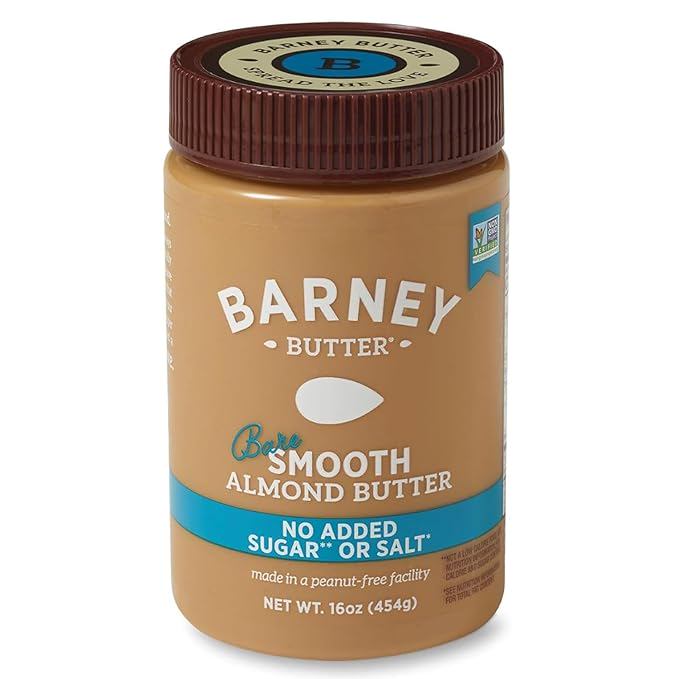
This classic combination works because it is portable, gentle on the stomach, and provides a perfect balance of fast and slow-release energy. A medium banana offers about 27 grams of carbohydrates in the form of natural sugars and starches—ideal for topping off muscle glycogen stores. A thin spread of almond butter adds a small amount of protein and healthy fat to smooth out blood sugar response without triggering bloat.
The timing sweet spot: Eat half a banana with one teaspoon of almond butter about 30–45 minutes before you start. If you are sensitive to fiber, skip the almond butter or use a single tablespoon of a well-stirred seed butter like sunflower seed butter.
Plain rice cakes with a thin layer of honey or jam
Rice cakes are a curious superfood for core training. They are made of puffed white or brown rice, which means they are low in fiber and very easy to break down. This is exactly what you want before a workout. The airy texture minimizes the volume of food in your stomach while still providing a carbohydrate foundation.
Spread one rice cake with a very thin layer of honey or low-sugar fruit jam for a quick carb boost. If you need a little protein, add a swipe of ricotta cheese or a thin slice of turkey before the jam—the protein helps stabilize energy without adding much bulk or fermentation in the gut.
One rice cake with a thin spread of honey provides roughly 15 grams of carbs and about 60–70 calories—enough to energize without causing discomfort.
Low-fat Greek yogurt with a small handful of berries
Greek yogurt is naturally lower in lactose than regular yogurt because it is strained during processing. That means fewer people experience gas or bloating from it. Choose plain, low-fat (or nonfat) Greek yogurt—full-fat versions contain more fat, which delays gastric emptying and can leave you feeling heavy.
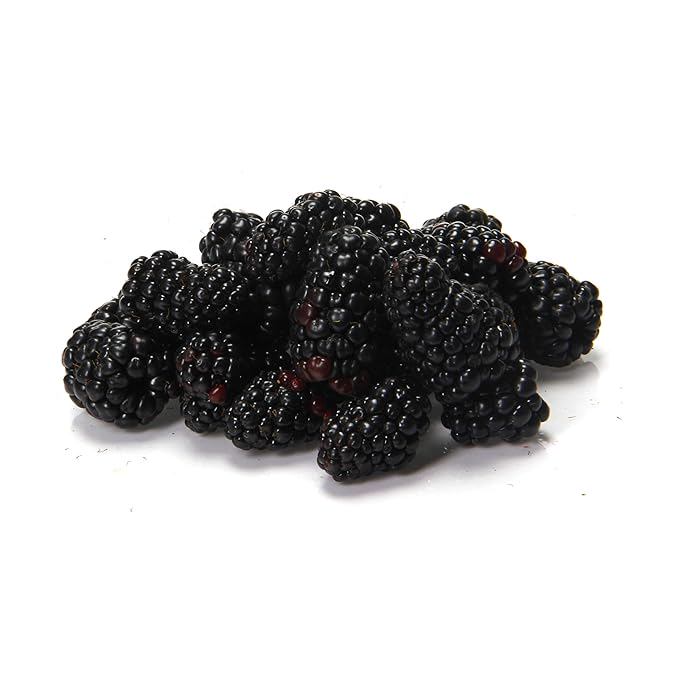
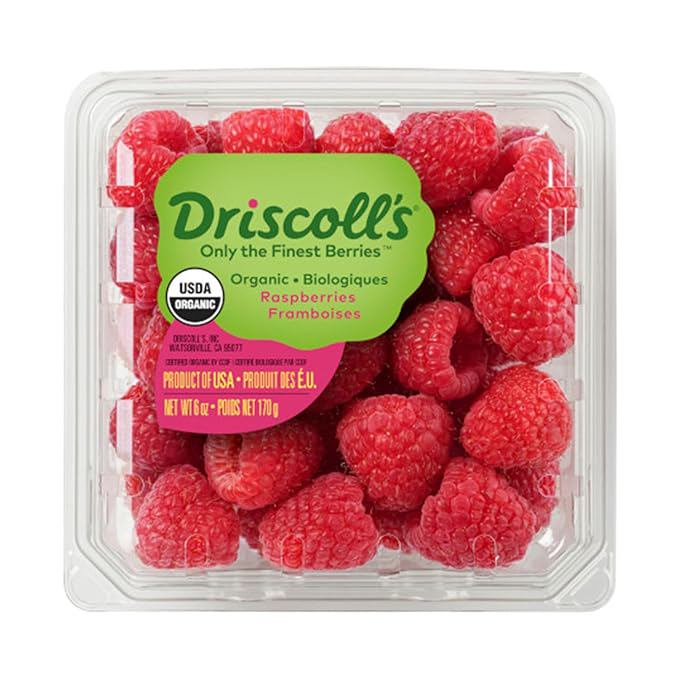
Mix in about a half-cup of blueberries or raspberries. Berries are relatively low in FODMAPs (fermentable carbohydrates that can cause gas in sensitive individuals) and provide antioxidants that support muscle recovery. Keep the portion small: 100–130 grams of yogurt with a handful of berries is enough to keep you from feeling hungry without causing distension.
Check the label: Many flavored yogurts include added sugar, tapioca starch, or pectin, which can cause bloat in some people. Stick with plain and sweeten lightly with stevia or a splash of vanilla extract if needed.
Two more quick options
If you need variety, here are two alternatives that follow the same low-bloat principle:
- Sourdough toast with a thin layer of avocado. The natural fermentation of sourdough reduces fructans, making it easier to digest than other breads. Keep the avocado to one to two thin slices—too much fat can slow digestion.
- Scrambled egg whites with a small banana. Egg whites provide pure protein with zero fat, and they are one of the least bloating protein sources available. Pair with half a banana for carbs.
The common thread among these snacks is simplicity. They are low in excess fiber, low in high-FODMAP ingredients, and moderate in fat. You get the energy you need without setting off alarms in your digestive system. Listen to your body—if a certain food works well for you, stick with it. Everyone's gut is slightly different, and pre-workout nutrition is about finding your personal balance.
One final point: give yourself enough time. Even the best snack can cause problems if you eat it and immediately start doing crunches. Aim to finish your snack at least 30 minutes before your workout, preferably on the longer side if you have a sensitive stomach.