When your only equipment is your own body, you rely entirely on muscle endurance, focus, and energy. A bodyweight strength session—think pull-ups, pistol squats, push-up variations, and plank holds—demands a different kind of fuel than heavy barbell work. You need sustained energy without a crash, and clear mental drive without jitters.
Skip the neon powders and proprietary blends. Here are three drinks you can make or buy that align with the demands of calisthenics and bodyweight strength training. They support hydration, blood flow, and steady energy so you can push through that last set of archer push-ups.
Why bodyweight sessions need different fuel
Bodyweight exercises often involve high-rep sets, longer time under tension, and a need for coordinated movement. A pre-workout drink that spikes insulin or relies on massive caffeine doses can work against you. You want something that supports vascularity (for muscle pumps) and steady glucose availability without gastro-intestinal distress. Hydration is also critical: even 1–2 percent fluid loss can reduce strength and endurance in compound bodyweight moves like muscle-ups or L-sits.
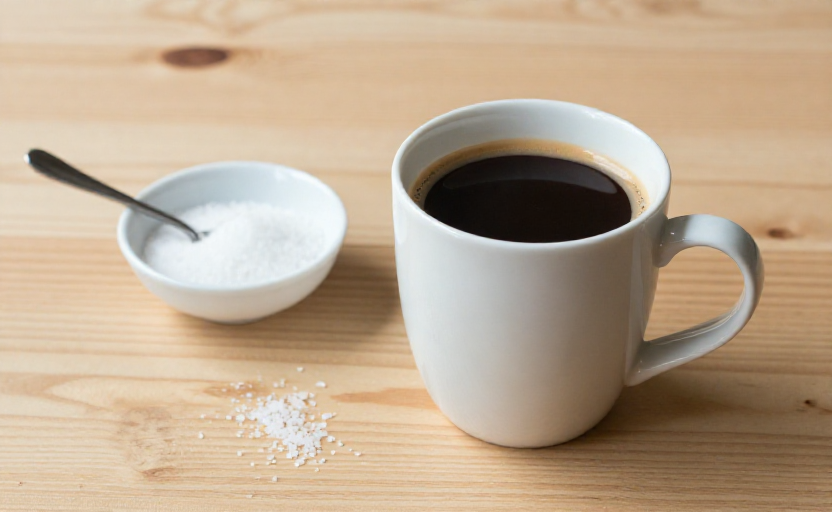
1. Black coffee with a pinch of salt
A classic for a reason—but with a twist. Caffeine is a proven ergogenic aid that can reduce perceived exertion and improve focus during high-skill bodyweight exercises. Black coffee gives you that lift without added sugars or artificial ingredients that can bloat you during inverted movements (handstands, anyone?).
The addition of a small pinch of high-quality salt (sea salt or pink salt) provides sodium and trace minerals. Sodium helps maintain fluid balance and nerve transmission, both of which matter when you're holding a hollow body position or grinding out a set of one-arm push-ups.
How to use it
- Brew a standard cup of black coffee (about 80–100 mg caffeine).
- Stir in a pinch of salt (roughly the size of a grain of rice).
- Drink 30–45 minutes before your session.
If you're sensitive to caffeine, try half a cup or a cold brew concentrate diluted with water. This drink gives you focus and electrolyte support without overwhelming your system.
2. Beetroot juice
Beetroot juice is rich in dietary nitrates. Your body converts nitrates to nitric oxide, a molecule that relaxes blood vessels and improves blood flow. This vasodilation effect can be especially helpful for bodyweight strength because it enhances oxygen delivery to working muscles and may delay fatigue during repeated efforts—think multiple sets of pull-ups or deep squat holds.
Unlike high-stimulant pre-workout formulas, beetroot juice works gradually. It won't give you a shock of energy, but it builds a metabolic advantage over time. A typical dose is around 500 ml (about 16–17 ounces) of beetroot juice consumed 90–120 minutes before training. If that's too much volume, concentrated beet shots (about 70–150 ml) are a practical alternative.
A note on timing: The nitric oxide boost peaks around 2–3 hours after ingestion, so plan accordingly. Don't expect an instant spike.
Beet juice is also a source of carbohydrates (about 8–10 grams per 100 ml), which provides a small, clean energy buffer for longer bodyweight sessions. If you find the taste too earthy, blend a small apple or a splash of lemon juice into the mix.
3. Matcha green tea with L-theanine
Matcha is ground whole green tea leaves, so it provides more antioxidants (especially EGCG) and L-theanine than steeped green tea. L-theanine is an amino acid that promotes a state of calm alertness—exactly the mindset you need for skills that demand balance, body awareness, and control, like ring dips, single-leg deadlifts (pistol variations), and core holds.
This pre-workout option provides a gentle caffeine lift (about 40–70 mg per teaspoon, depending on grade) paired with L-theanine's smoothing effect. That means less jitteriness and more steady concentration. For bodyweight strength, this can translate to better rep quality and more precise movement patterns.
How to prepare it
- Sift one teaspoon (2–3 grams) of high-quality ceremonial or culinary matcha into a bowl.
- Add a small amount of hot water (not boiling—around 175°F / 80°C).
- Whisk briskly in a W motion until frothy.
- Drink 20–30 minutes before your workout. You can add a splash of unsweetened almond milk if desired.
Matcha is also a low-acid drink compared to coffee, which can help if you perform inverted or twisted positions that might stress your digestive system.
What to avoid before bodyweight strength work
Not every popular pre-workout drink fits bodyweight training. Here are a few to be cautious with:
- High-sugar energy drinks. They can spike blood glucose, then drop you mid-session when you're on the 8th rep of a difficult compound move.
- High-stimulant pre-workout powders. Mega doses of caffeine combined with beta-alanine and other synthetic ingredients can cause tingling, anxiety, and digestive upset during dynamic bodyweight movements.
- Dairy-heavy smoothies. Milk-based drinks take time to digest and can lead to bloating or reflux during floor work or inversions. If you want a smoothie, opt for a light base like water, coconut water, or unsweetened almond milk.
When and how to hydrate
All three of these options are on top of your baseline hydration, not a replacement for it. Aim to drink water consistently throughout the day. About 30–45 minutes before your session, have about 10–12 ounces of water. During the workout, sip water as needed. Afterward, rehydrate with another 16–20 ounces, especially if you've been sweating in a warm room or after a high-volume session.
Bodyweight strength training is a conversation between your body and gravity. The right pre-workout drink helps you listen more clearly—better flow, better focus, and better fuel without the junk. Try one of these three options, observe how you feel mid-workout, and adjust from there.