You finished your last rep, stretched out, and headed home. Now comes the part that often gets overlooked, yet it is just as important as the session itself: the meal. What you eat after strength training either supports the work you just did or undermines it. The goal is not simply to stuff down protein; it is about providing your muscles with the specific raw materials they need to repair and grow in a balanced, sustainable way.
The following three meal ideas focus on real food combinations that deliver high-quality protein, complex carbohydrates, and essential fats. They are designed to be practical, satisfying, and effective for consistent post-workout recovery. Think of them as templates you can adapt, not rigid prescriptions.
Why Balance Matters More Than Just Protein
It is common to hear that post-workout nutrition is all about protein, but the muscles also need carbohydrates to replenish glycogen stores that were used as fuel during your workout. Fat plays a role in hormone function, including the hormones responsible for building muscle. A balanced meal supports this whole cascade, helping your body shift from a catabolic (breakdown) state to an anabolic (building) state more efficiently.
Meal 1: The Savory Bowl with Lean Protein and Grains
The components
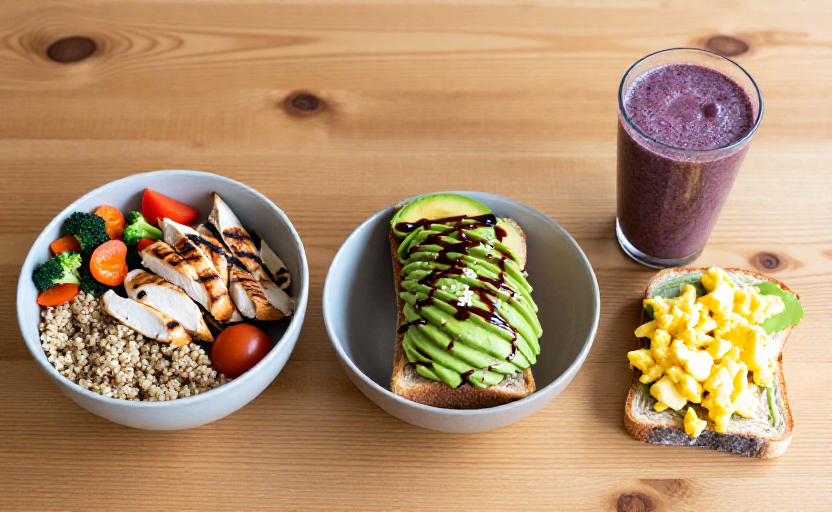
Start with a base of cooked quinoa or farro. These grains are not just filler; they bring fiber, magnesium, and a moderate amount of protein themselves. On top, add a grilled chicken breast (or a few ounces of lean steak) sliced thin. Then, introduce vegetables for micronutrients: roasted sweet potatoes for carbohydrates and vitamin A, plus a generous handful of steamed broccoli or spinach.
Why it works
You get about 30 to 40 grams of easily digestible protein from the meat, which provides leucine—the amino acid directly responsible for triggering muscle protein synthesis. The sweet potatoes and grains provide enough carbohydrates (roughly 45 to 60 grams in a moderate portion) to refill glycogen. The vegetables contribute antioxidants that help tame the inflammation naturally caused by strenuous exercise.
A simple finishing touch: Drizzle with a little olive oil and a squeeze of lemon. The olive oil helps you absorb certain vitamins from the vegetables, and its monounsaturated fats support overall hormone health.
Meal 2: The Classic Egg-Based Combo with Avocado Toast
The components
Scramble or poach three or four whole eggs. Serve them next to a piece of whole-grain toast spread with half an avocado. Add a side of sliced tomato and maybe a small handful of mixed greens. This is quick enough for mornings after a workout and holds up well as a meal any time of day.
Why it works
Whole eggs are a near-perfect protein source, rich in leucine and also containing healthy fats in the yolk that help with the absorption of vitamin D and other fat-soluble nutrients. The avocado delivers potassium—which is often depleted through sweat and plays a role in muscle contraction. The whole-grain toast provides a steady, non-jolting release of carbohydrates. This meal sits moderately, offering about 20 to 25 grams of protein and around 35 grams of carbohydrates.
If dairy agrees with you, a dollop of cottage cheese on the side can add extra casein protein, which digests slower and provides a prolonged release of amino acids.
Meal 3: The Smoothie That Stays Real (No Protein Powder Required)
The components
In a blender, combine 8 ounces of plain Greek yogurt (or whole-milk kefir), one small banana, a generous mug of frozen berries, and a tablespoon of ground flaxseed or chia seeds. Thin it out with water or a splash of milk to your preferred consistency. Drink it within an hour after your workout.
Why it works
Greek yogurt is a powerful source of both protein and probiotics. A single cup contains about 20 grams of protein, naturally carrying the amino acids needed for recovery. The banana provides immediate carbohydrates to replenish glycogen, while the berries add antioxidants (anthocyanins) that have been linked in some studies to reduced muscle soreness. Chia or flaxseed brings omega-3 fatty acids, which are anti-inflammatory and may help reduce stiffness over time.
This meal is particularly useful when you do not have a big appetite after training but still need nourishment. The liquid form makes it easy to digest.
Putting It All Together: Practical Timing and Portions
Try to eat a full meal within two hours after your strength workout. The so-called anabolic window is not a 30-minute sprint, but waiting much longer may slightly diminish the muscle-building response. However, if you had a pre-workout meal an hour before lifting, you have some margin.
Portion sizes depend on your body size, workout intensity, and overall daily needs. As a general guideline for the meals above, aim for 20 to 40 grams of protein and a similar amount of carbohydrates as a starting point. Listen to your body: if you feel overly full and sluggish, reduce portions next time; if you are hungry again within an hour, your meal may have been too light.
Strength training breaks down muscle tissue; balanced post-workout meals rebuild it stronger. The consistency of doing that well makes the difference over months, not in a single meal.