You’ve just finished a challenging strength session. Your muscles are buzzing with effort, and while that feeling is a badge of honor, the creeping stiffness and joint ache that can follow tomorrow are less welcome. What you choose to drink in that crucial recovery window can do more than just quench your thirst—it can actively support your body’s repair processes, ease soreness, and nourish the joints that carry you through every lift and lunge.
Instead of reaching for just any beverage, consider drinks that deliver specific nutrients known to combat inflammation, aid muscle repair, and support cartilage and connective tissue. Here are three foundational, science-backed options to integrate into your post-workout routine.
Tart Cherry Juice: The Natural Inflammation Moderator
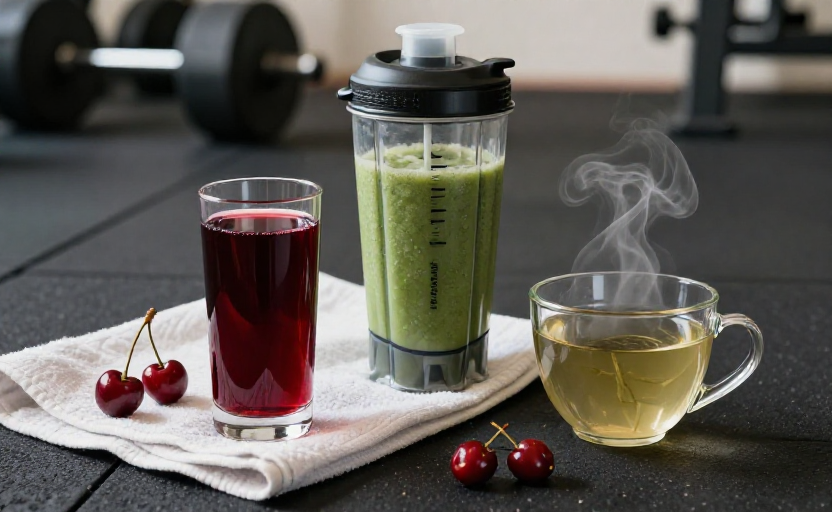
This deep red juice has earned its reputation in athletic circles for good reason. Tart cherries are rich in anthocyanins and other polyphenols, potent plant compounds with strong anti-inflammatory and antioxidant properties. Intense exercise creates microscopic damage in muscle fibers and triggers a natural inflammatory response—which is necessary for adaptation but, when excessive, contributes to that familiar deep soreness known as Delayed Onset Muscle Soreness (DOMS).
Research suggests that tart cherry juice can help modulate this process. Studies on athletes have shown that consuming it before and after strenuous exercise can reduce muscle strength loss, alleviate perceived soreness, and accelerate recovery. For joints, the anti-inflammatory effect is similarly valuable, as it may help quiet the low-grade inflammation that can accompany repetitive stress.
Look for 100% pure tart cherry juice without added sugars. A small glass (about 8 ounces) post-workout is a common serving.
Its natural melatonin content may also support better sleep, which is when much of your body’s critical repair work happens. Think of it as a two-part recovery aid: easing today’s strain and setting the stage for overnight renewal.
Fortified Smoothies: A Customizable Recovery Vehicle
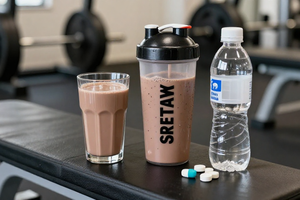
Sometimes, the best recovery drink is one you build yourself. A well-constructed smoothie offers fluid, electrolytes, protein for muscle repair, and the perfect opportunity to add targeted ingredients for joint support. Start with a liquid base like water, almond milk, or kefir for probiotics.
The magic comes from your add-ins. For joint health specifically, consider blending in these powerful supporters:
- Leafy Greens (Spinach, Kale): Packed with vitamin K and calcium, which are essential for bone health, and magnesium, which aids muscle relaxation.
- Ginger or Turmeric: Fresh ginger root or a pinch of turmeric powder introduces natural anti-inflammatory compounds (gingerols, curcumin) that can help manage post-exercise inflammation and joint discomfort.
- Chia or Flax Seeds: Excellent plant-based sources of omega-3 fatty acids (ALA), which the body can convert into compounds that help regulate inflammation.
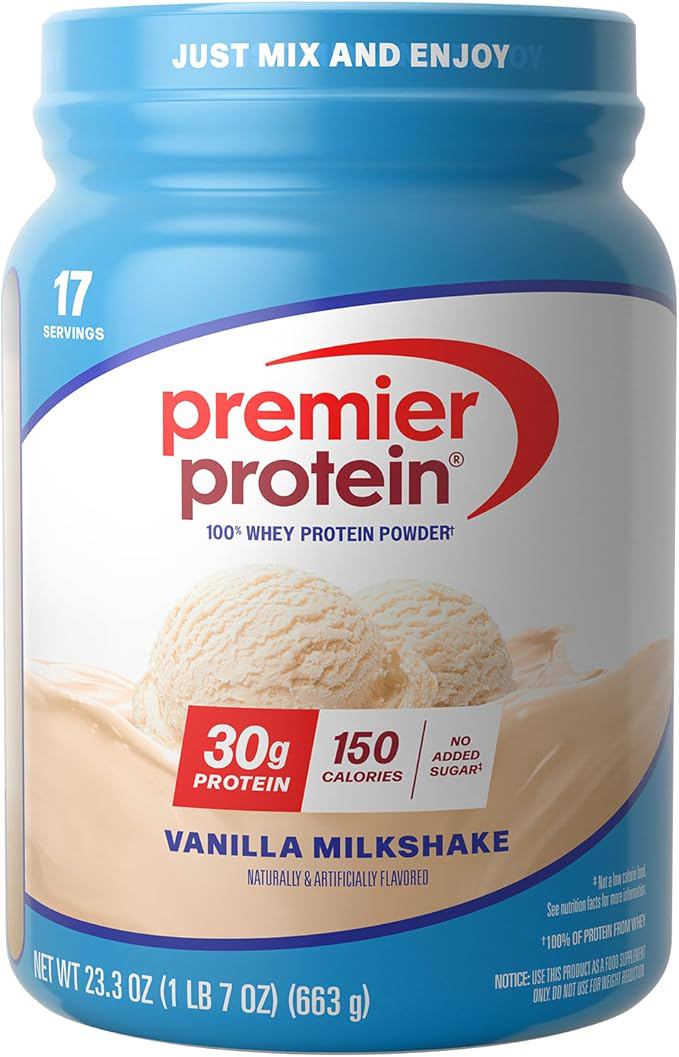
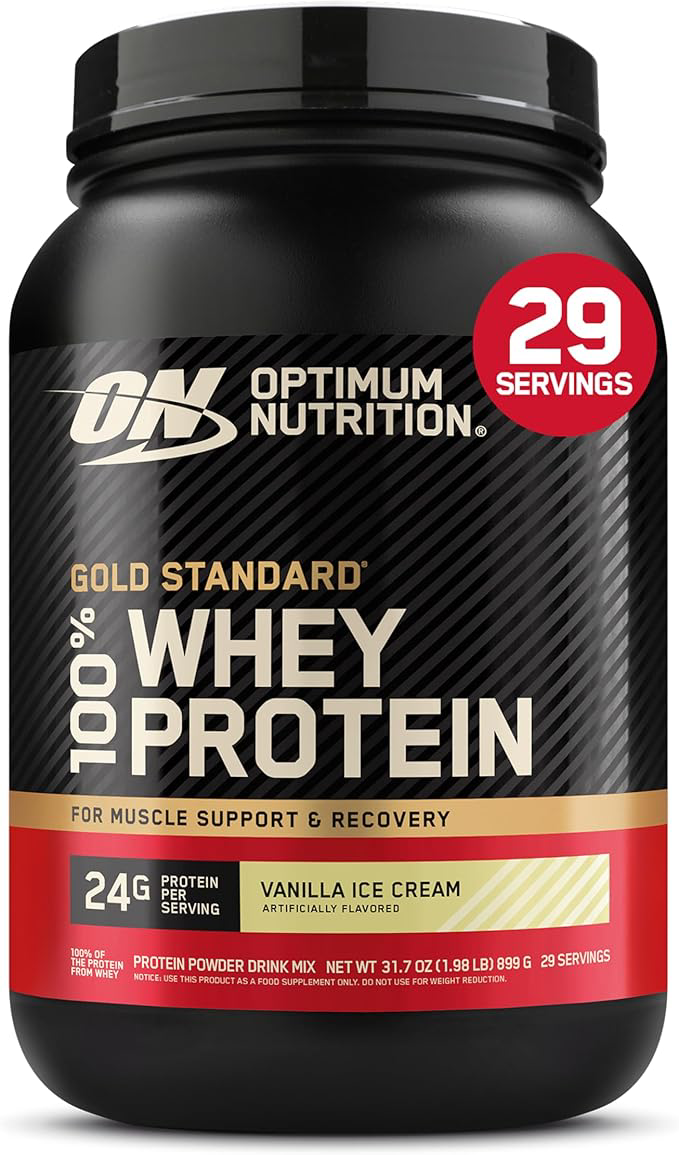
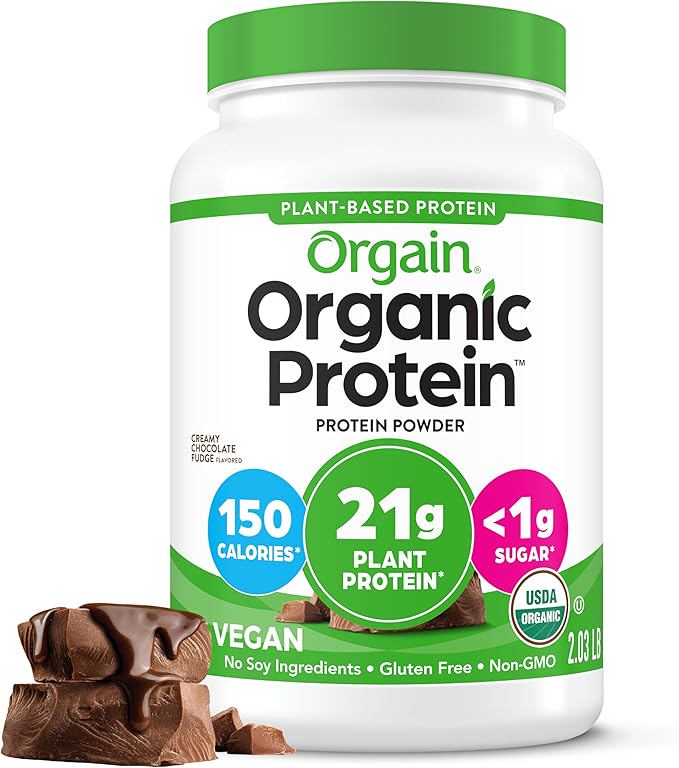
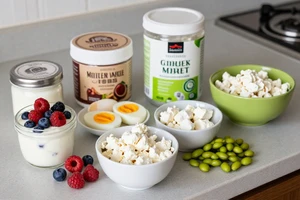
- Protein Powder: Collagen peptides or a standard plant/ whey protein provides the amino acids necessary to rebuild muscle tissue. Collagen is the primary protein in cartilage, tendons, and ligaments, and some research indicates supplementing with it may support joint tissue synthesis.
This approach turns hydration into nourishment, delivering a broad spectrum of recovery nutrients in one convenient, digestible package.
Green Tea: The Hydrating Antioxidant Powerhouse
Don’t overlook the simple power of a warm cup of green tea. Beyond being a soothing, hydrating choice, it’s a source of catechins, particularly epigallocatechin gallate (EGCG). These antioxidants help combat the oxidative stress generated during intense physical activity, which can damage cells and contribute to inflammation and soreness.
While not a direct source of protein or electrolytes, green tea supports recovery from the cellular level up. Some studies also suggest the compounds in green tea may have a protective effect on cartilage, potentially slowing its breakdown. For a post-workout version, let it cool slightly or brew it strong and pour over ice. Adding a squeeze of lemon may enhance the absorption of its beneficial compounds.
It’s a calm, caffeine-conscious option (opt for decaf if training late) that promotes rehydration while quietly supporting your body’s internal repair systems.
What to Look For in Any Recovery Drink
While these three drinks are excellent choices, the principles behind them can guide you in any situation. An ideal post-strength-training beverage should address a few key needs:
Rehydration: Plain water is fundamental. Many of these drinks are primarily water, but if your session was long or sweaty, ensure you’re also replenishing fluids adequately.
Protein for Repair: Muscle tissue rebuilds with amino acids. A drink containing 15-25 grams of protein post-workout can significantly aid this synthesis. This is why protein powder in a smoothie is so effective.
Anti-Inflammatory Compounds: Seeking out natural sources of antioxidants and anti-inflammatories (like those in tart cherries, ginger, or green tea) can help manage the normal inflammatory response to training, benefiting both muscles and joints.
Electrolytes: For sessions over an hour or in high heat, replenishing sodium, potassium, and magnesium lost in sweat supports nerve function and muscle contractions and prevents cramping.
Your post-workout drink doesn’t need to be complicated or expensive. It simply needs to be intentional. By choosing a beverage that delivers specific nutrients, you’re taking an active, supportive role in your recovery—helping your joints stay resilient and ensuring you feel ready for whatever your next workout brings.