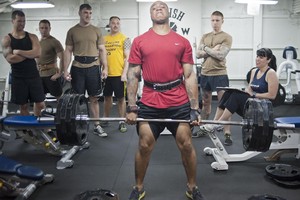

You finished your first real strength session. Your muscles feel worked, maybe a little shaky, and you’re already anticipating tomorrow morning. That dull ache—delayed onset muscle soreness, or DOMS—is a normal sign your body is adapting. But what you drink in the hour after training can actually help calm that inflammation and speed up recovery.
For a beginner, hydration and nutrient timing matter more than complicated supplements. These three post-workout drinks are backed by sports nutrition research, easy to prepare, and specifically effective for reducing soreness after a beginner-level strength workout.
1. Tart Cherry Juice
Tart cherry juice is one of the most researched recovery drinks for reducing muscle pain and strength loss after exercise. It contains high levels of anthocyanins—powerful antioxidants that reduce inflammation and oxidative stress caused by muscle contractions.
A 2021 meta-analysis published in the European Journal of Sport Science found that tart cherry juice significantly decreased muscle soreness and accelerated strength recovery after resistance training. The key is drinking it consistently: one serving (about 8–10 ounces) 30 to 60 minutes after your session, then continuing twice daily for two to three days post-workout for best results.
Tip: Look for unsweetened 100% tart cherry juice—not a blend or cocktail with added sugar. The tart taste is part of the benefit.
2. Chocolate Milk
It sounds too simple to be true, but chocolate milk is one of the most effective post-workout recovery drinks for beginners. It naturally contains an ideal 3:1 or 4:1 ratio of carbohydrates to protein—exactly what your muscles need to replenish glycogen stores and begin repair.
That carb-protein combo reduces muscle breakdown and supports protein synthesis, which directly lowers perceived soreness the next day. A 2018 study in the Journal of the International Society of Sports Nutrition compared chocolate milk to commercial recovery drinks and found it equally effective at reducing markers of muscle damage and soreness after resistance training.
Reach for low-fat or 1% chocolate milk. It provides the right balance of fluid, electrolytes, and nutrients without excessive saturated fat that can slow digestion. If you’re vegan or lactose intolerant, soy milk with added cocoa and a touch of maple syrup can mimic the same ratio.
3. Watermelon Juice
Watermelon isn’t just hydrating—it’s a natural source of L-citrulline, an amino acid that improves blood flow and reduces muscle soreness. When you drink watermelon juice, your body converts L-citrulline into L-arginine, which increases nitric oxide production. This dilates blood vessels, delivering more oxygen and nutrients to damaged muscle tissue and flushing out metabolic waste like lactate.
A 2013 study in the Journal of Agricultural and Food Chemistry showed that athletes who drank watermelon juice before exercise reported lower heart rates and less muscle soreness 24 hours later. For a beginner, drinking about 10–16 ounces of fresh watermelon juice (including the white rind, which contains more citrulline) within an hour after training can significantly reduce next-day discomfort.
Juice fresh watermelon yourself, or look for pure watermelon juice with no added sugars. The rind is especially potent—include it if you can. If juicing isn’t possible, eating two cups of watermelon with some of the white part attached provides similar benefits, though the liquid form is absorbed faster.
How to Build Your Post-Workout Routine
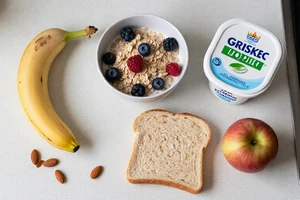
Choose one of these drinks based on your taste and what you have available. The most important factor is consistency: drinking something within 30 to 60 minutes of finishing your workout, when your muscles are most receptive to nutrient uptake. Pair it with a small snack if you’re hungry, but avoid high-fat or high-fiber foods that delay absorption.
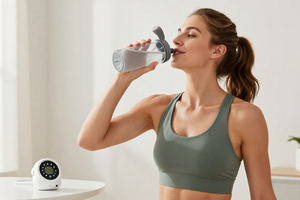
Drink at least 16–24 ounces of plain water alongside your recovery drink if you sweated heavily. Dehydration worsens soreness and slows repair, so don’t skip it.
Over time, you can rotate these drinks or stick with one favorite. None of them require special equipment or expensive supplements, which makes them ideal for someone starting their strength training journey.