You crushed your leg day—squats, deadlifts, lunges. You feel strong, accomplished, and maybe a little wobbly. But you already know what's coming tomorrow: that deep, achy stiffness that makes stairs feel like a mountain.
While some soreness is a natural part of building muscle (it's called delayed onset muscle soreness, or DOMS), you don't have to just grit your teeth and suffer. What you drink in the hour after your last rep can actually help your muscles recover faster and feel less tender the next day. Here are three science-backed post-workout drinks that research has linked to reduced muscle soreness after lifting.
Tart cherry juice for inflammation and sleep support
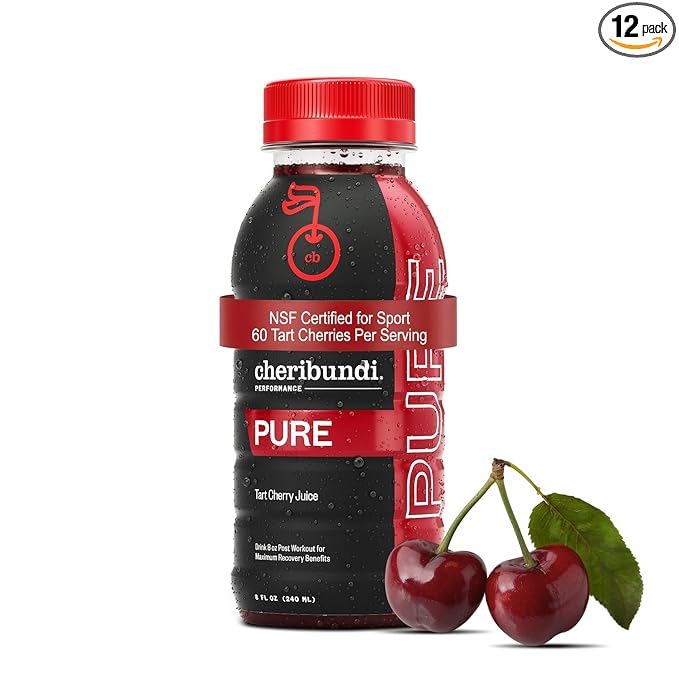
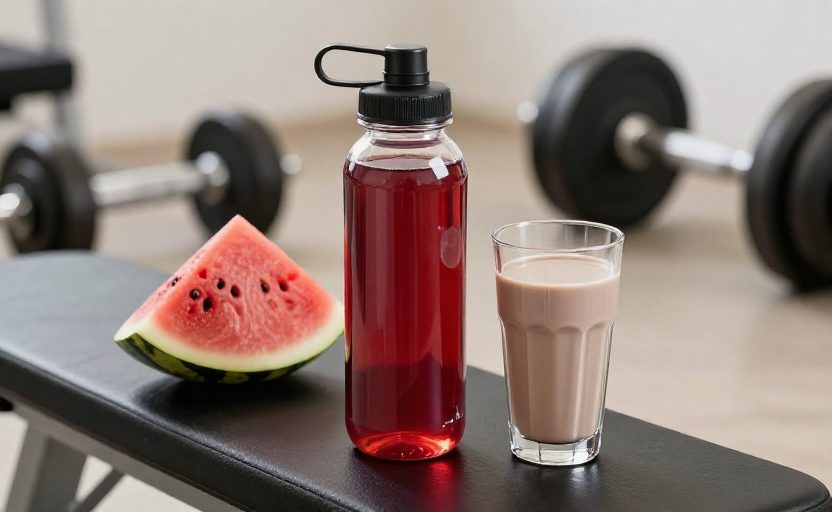
Tart cherry juice isn't just a pretty color—it's one of the most studied drinks for exercise recovery. The deep red pigment comes from anthocyanins, powerful antioxidants that help calm the inflammatory cascade triggered by intense lifting. A 2021 systematic review in the Journal of the International Society of Sports Nutrition found that tart cherry juice significantly reduced markers of muscle damage and strength loss after resistance training, and participants reported less soreness compared to a placebo.
The real trick with tart cherry juice is timing. To get the benefit, you need to start drinking it a couple of days before your heavy workout and continue for two to three days after. That might sound like a lot, but many athletes simply drink about 8 to 12 ounces twice a day during that window. It also contains natural melatonin, which can improve sleep quality—and better sleep means better muscle repair.
Quick tip: Look for 100% tart cherry juice without added sugar. If the taste is too sharp, dilute it with a little water or seltzer.
Chocolate milk for the ideal carb-protein combo
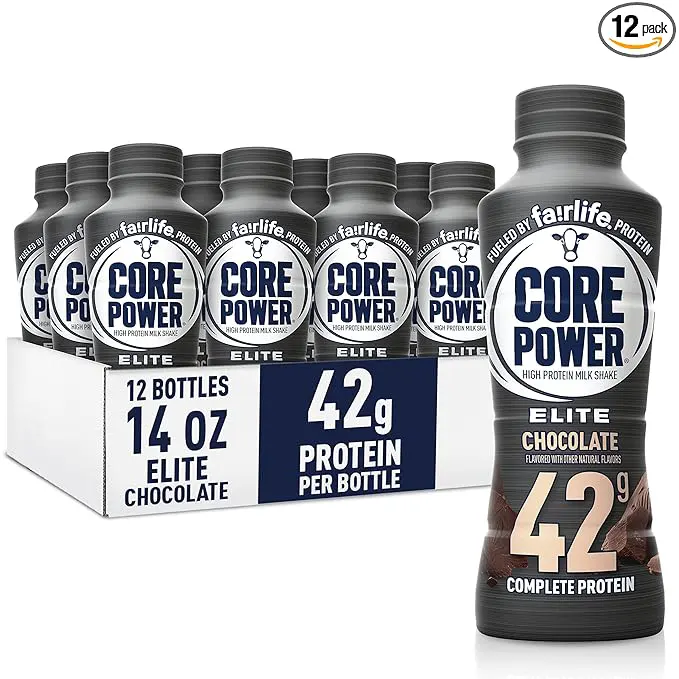
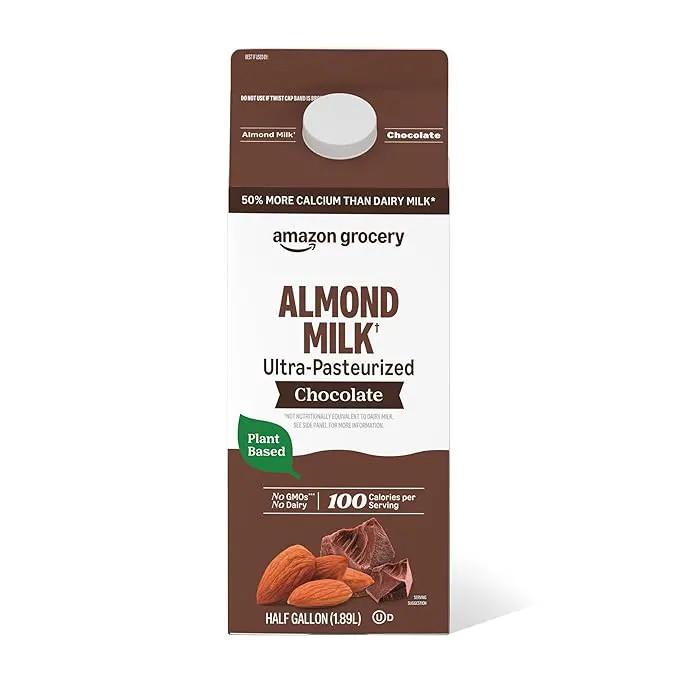
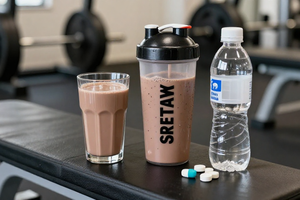
This isn't just nostalgic—chocolate milk has earned its reputation in the gym world. The reason is simple: it delivers a near-perfect 3-to-1 or 4-to-1 ratio of carbohydrates to protein, which aligns with what sports nutritionists recommend for post-workout refueling. The carbs replenish your muscle glycogen stores (the energy you just burned), while the protein (casein and whey) provides the building blocks for repairing microscopic tears in muscle fibers.
A 2018 study in Nutrients compared chocolate milk to a commercial recovery drink after intense resistance training. The chocolate milk group showed similar muscle recovery markers—and in some cases, lower perceived soreness—with the added bonus of tasting far better. Plus, it's cheap, widely available, and doesn't require any powder or shaker bottle.
For best results, drink a cup (about 8 to 12 ounces) within 30 to 60 minutes after your last set. Choose low-fat chocolate milk to avoid excess saturated fat, which can slow digestion.
Watermelon juice (or whole watermelon) for blood flow and soreness relief
Watermelon is mostly water, true, but don't underestimate its recovery potential. It's one of the richest natural sources of L-citrulline, an amino acid that your body converts into L-arginine, which boosts nitric oxide production. Nitric oxide helps widen blood vessels, improving blood flow to sore muscles. More blood flow means more oxygen and nutrients delivered to damaged tissue—and faster cleanup of metabolic waste.
A small but telling 2017 study in the Journal of Agricultural and Food Chemistry found that athletes who drank about 16 ounces of watermelon juice (with the rind included, where much of the citrulline lives) reported significantly less muscle soreness 24 hours after exercise, compared to a placebo group. If you don't have a juicer, eating a couple of cups of watermelon (including the white part near the rind) also works—just not as concentrated.
What about water?
Plain water doesn't directly reduce muscle soreness, but it's still essential. Dehydration amplifies perceived soreness and slows recovery, so make sure you're drinking enough throughout the day, especially on training days. The drinks above are meant to supplement—not replace—good hydration habits.
Putting it into practice
You don't need to drink all three. Pick one that fits your taste and routine, and use it consistently after your hardest lifting sessions. Tart cherry juice is ideal when you plan ahead for a demanding week. Chocolate milk is the convenient, no-fuss option for right after your workout. Watermelon juice (or fruit) is a refreshing choice for warmer months or when you want something lighter. Combine any of these with a solid warm-up, proper form, and adequate sleep, and you'll wake up able to walk down the stairs—maybe even with a little spring in your step.