You’ve swapped out your old cooking oils for heart-healthy olive oil, avocado oil, or coconut oil. You’re making better choices in the kitchen, and that’s a real win. But here’s something most people overlook: when and how you use those oils can make or break their benefits. Even the best oil can lose its nutritional edge if you mistime it or mishandle it during cooking.
Healthy cooking oils are rich in unsaturated fats, antioxidants, and heat-sensitive compounds that support heart health, reduce inflammation, and help your body absorb fat-soluble vitamins. But if you heat them too high, let them sit too long after cooking, or pair them with the wrong foods at the wrong time, you might be undoing the very benefits you’re trying to gain. Here are three common meal-timing mistakes that quietly sabotage your healthy oils—and how to fix them.
Mistake 1: Heating oil past its smoke point before adding food
You might think that getting the pan screaming hot is the fastest way to a good sear. But when a healthy oil reaches its smoke point—the temperature at which it starts to visibly smoke—its chemical structure breaks down. That heat triggers oxidation, creating free radicals and compounds that can inflame the body rather than protect it.
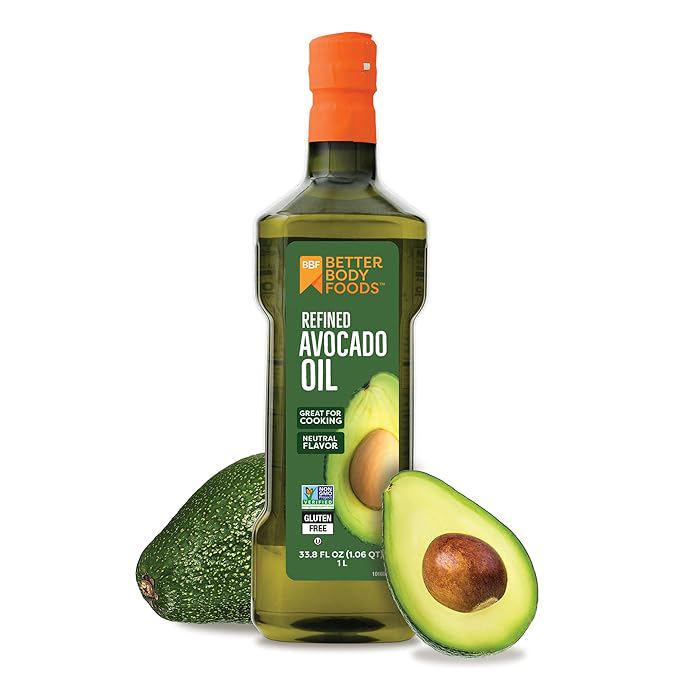
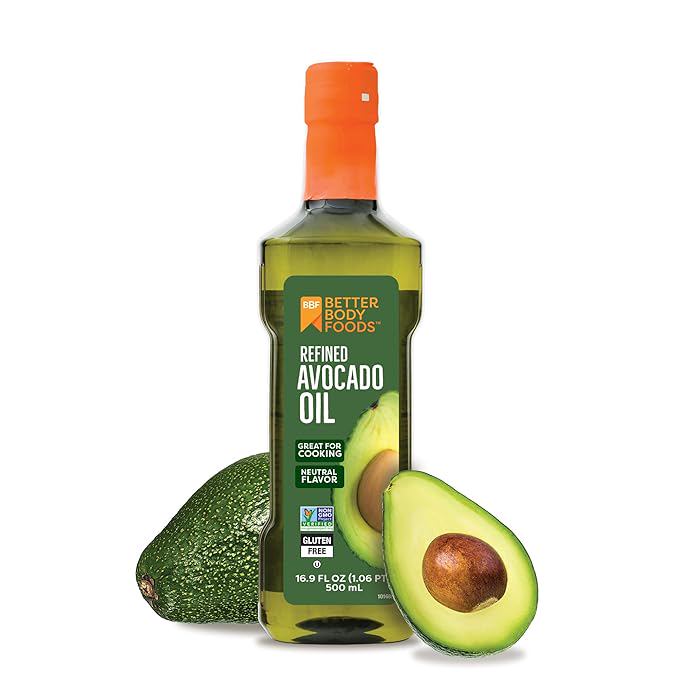
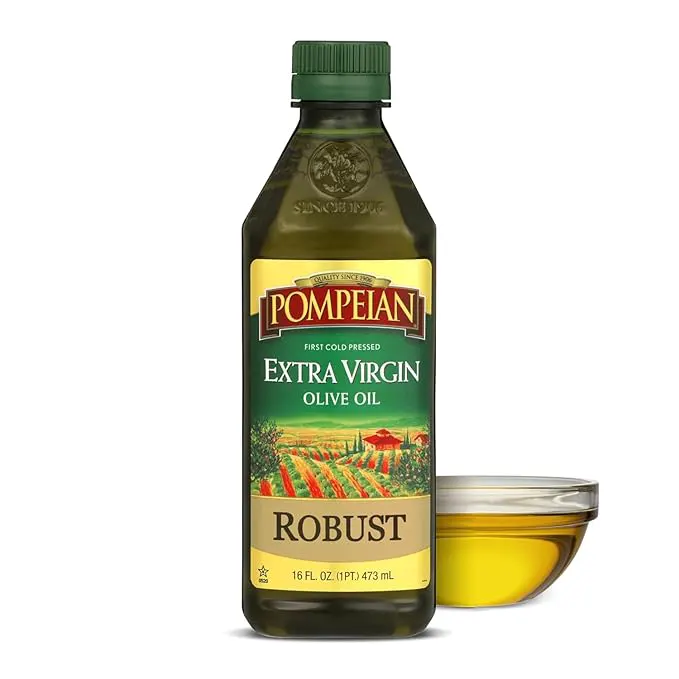
Extra-virgin olive oil, for example, has a smoke point around 375°F. Avocado oil can handle higher heat, around 520°F. If you use a delicate oil for high-heat stir-frying or let it preheat too long before adding ingredients, you’re burning away the polyphenols and vitamin E that make it healthy. The simple fix? Match your oil to the cooking temperature. Save the extra-virgin olive oil for gentle sautéing, dressings, or drizzling after cooking. Reserve high-smoke-point oils like avocado or refined coconut oil for searing and deep-frying.
Quick tip: If your oil starts smoking before the food hits the pan, wipe the pan clean and start over. That smoke signals the loss of beneficial compounds and the creation of potential irritants.
Mistake 2: Letting oil sit too long after cooking
You finish cooking, plate your meal, and leave the leftover oil sitting in the hot pan or in a dish on the counter. By the time you eat—or reheat leftovers—the oil has been exposed to oxygen and residual heat for an extended period. That extended exposure accelerates oxidation, turning delicate unsaturated fats into degraded byproducts.
This matters most for oils high in polyunsaturated fats, like walnut oil, flaxseed oil, or even blended vegetable oils. But even olive oil loses antioxidant potency when it stays hot or exposed to air for too long. Ideally, you want to use the oil during the cooking process and eat soon after. If you’re meal-prepping, store oil-based dishes in an airtight container in the fridge as soon as they cool. Don’t let them sit out in a warm pan for hours.
Also, be judicious with reheating. Reheating oil that has already been used once—especially if it’s been stored or left out—can create more oxidized compounds. If you’re cooking with oil, try to use it in the meal itself rather than letting it linger.
Mistake 3: Adding oil too early when cooking acidic ingredients
If you start a dish by heating oil and then immediately adding acidic ingredients like tomatoes, vinegar, or lemon juice, you’re creating an environment that can degrade the oil’s beneficial compounds. Acidity combined with heat speeds up the breakdown of antioxidants and can make the oil more prone to oxidation.
This doesn’t mean you should avoid cooking with acidic foods—just that timing matters. Instead of adding oil and acid together at the start, heat the oil first, cook your aromatics or vegetables, and then add acidic ingredients later in the cooking process. Or, use the oil as a finishing drizzle. This way, the oil’s healthy fats remain intact and you still get the flavor and nutrient boost.
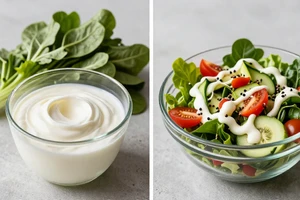
Another practical adjustment: if you’re making a dressing or marinade with acid and oil, let them sit at room temperature for only a few minutes before serving. Extended marination in acidic dressings can gradually affect the oil’s stability. For the most benefit, dress your salad or vegetables just before eating.
How to get the most from your healthy oils
Think of healthy cooking oils as delicate ingredients, not indestructible pantry staples. Store them away from light and heat—a dark cupboard is fine, not the counter near the stove. Buy smaller bottles so they stay fresh. And when you cook, heat the pan first, then add the oil, then add your food within a minute or two. That small shift in timing protects the oil’s chemistry.
Pairing your oils with whole foods—vegetables, lean proteins, legumes—also helps. The fats in oils improve absorption of vitamins A, D, E, and K from those foods, so you get a dual benefit. Just remember that the oil itself is only as good as how you handle it. Three simple timing adjustments can keep those healthy fats working for you, not against you.