Eating less red meat is a goal many adults share — whether for heart health, environmental reasons, or simply to add more variety to their plate. But if you're busy, budget-conscious, and used to relying on ground beef or chicken thighs for quick dinners, swapping in new protein sources can feel like a chore. The trick is finding options that are affordable, fast to prepare, and genuinely satisfying.
Here are three healthy protein alternatives to red meat that fit a packed schedule and a modest grocery budget. No obscure ingredients, no complicated prep — just practical swaps that keep you full and fueled.
Why Look Beyond Red Meat?
Red meat — beef, pork, lamb — is a classic protein source, but it also tends to be higher in saturated fat and linked to certain health concerns when eaten in large amounts. Many busy adults want to cut back without sacrificing protein or flavor. The good news? Several alternatives are cheaper per serving, cook faster, and offer additional nutrients like fiber, omega-3s, or plant-based compounds that support overall wellness.
Quick tip: When transitioning away from red meat, aim for two to three meatless dinners per week, then adjust based on what feels sustainable for you and your family.
1. Lentils: The Budget-Friendly Powerhouse
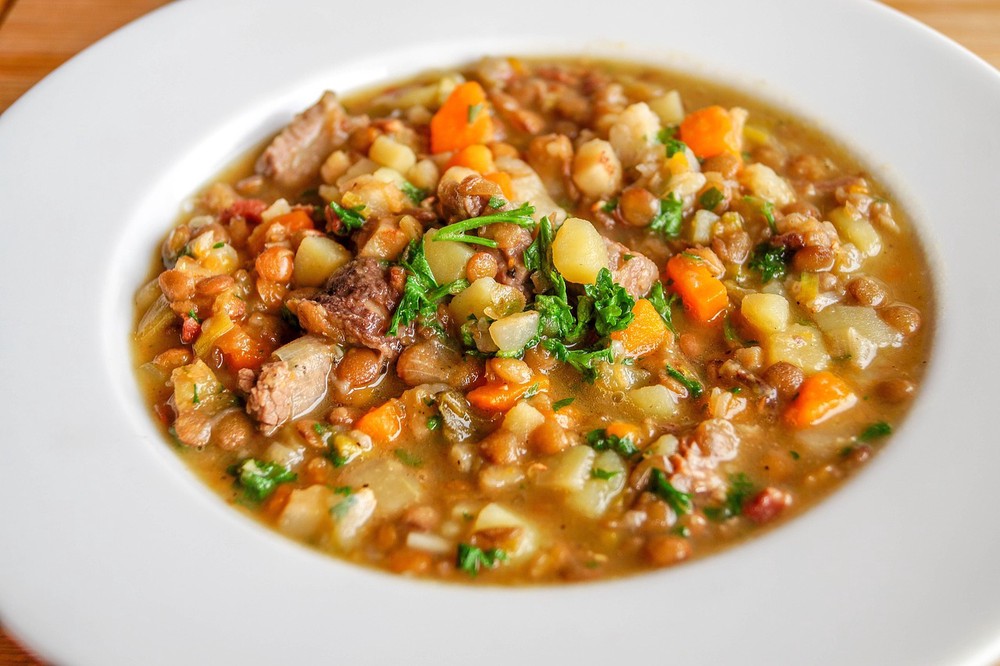
Lentils are one of the most affordable protein sources you can buy. A one-pound bag costs around $1.50 to $2.00 and yields about 13 servings of cooked lentils. That works out to roughly 12 grams of protein per cooked cup — comparable to a lean beef patty — but with zero saturated fat and about 15 grams of fiber.
Why busy adults love them: Lentils don't require soaking like dried beans. Just rinse, simmer for 20–25 minutes, and they're ready. You can cook a big batch on Sunday and use them all week in salads, soups, wraps, or as a base for veggie burgers. They absorb whatever seasoning you add, so they work with cuisines from Italian to Indian to Mexican.
Money-saving note: Canned lentils are convenient but more expensive per serving. Dried lentils are the real budget win. If you buy in bulk, the cost drops even lower.
2. Canned Fish: Shelf-Stable and Protein-Dense
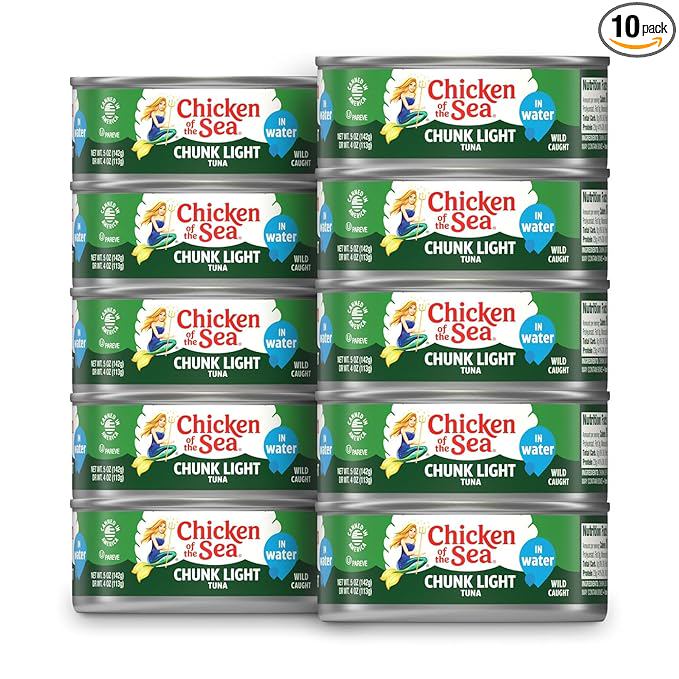
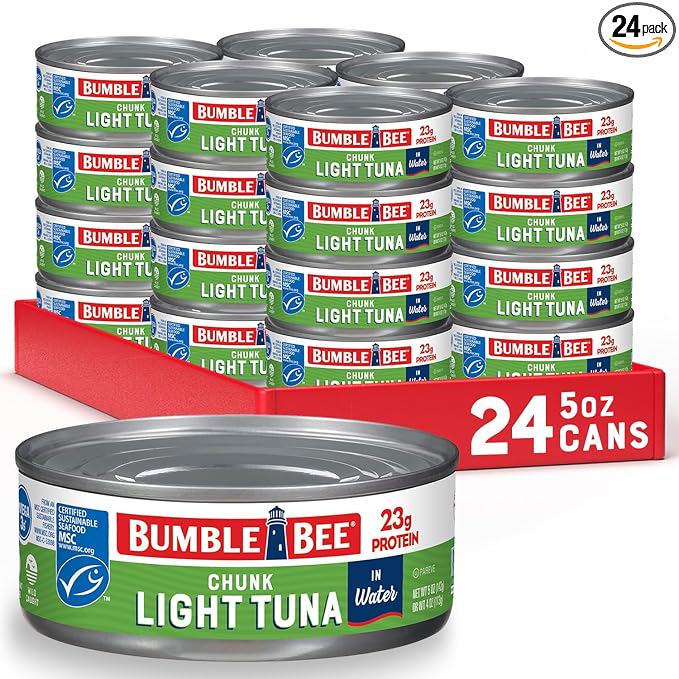
Sardines, mackerel, and canned salmon are among the most nutrient-dense foods you can stock. A standard can of sardines costs about $1.50 to $2.50 and provides 20–23 grams of protein, plus a hefty dose of omega-3 fatty acids (which support brain and heart health) and calcium from the bones.
Why busy adults love them: No cooking required. Open the can, drain, and add to salads, rice bowls, whole-grain crackers, or pasta. Canned fish keeps for months in the pantry, so you always have a backup dinner option when you're too tired to shop. Mackerel and salmon have a milder flavor than sardines if you're new to tinned fish.
Quality tip: Look for fish packed in water or olive oil (not soybean oil). Wild-caught options are ideal, but even responsibly farmed fish is a solid choice. Rinse canned salmon or mackerel to reduce sodium if that's a concern.
3. Tofu: The Versatile Plant Protein
Tofu often gets a reputation as bland or tricky to cook, but the right technique changes everything. A standard block of extra-firm tofu costs about $1.50 to $2.50 and provides roughly 10–12 grams of protein per 3-ounce serving. It's a complete protein, meaning it contains all nine essential amino acids, just like meat.
Why busy adults love it: Tofu cooks in under 10 minutes. Press it briefly to remove excess water (or skip pressing if you buy super-firm tofu), cube it, and pan-fry with a little oil and soy sauce, or crumble it into stir-fries, tacos, and grain bowls. It takes on any flavor profile — spicy, savory, smoky — and leftovers reheat well.
Budget tip: Refrigerated tofu is fine, but shelf-stable tofu (found in aseptic boxes) is even cheaper and doesn't need refrigeration until opened. Buy it in bulk when it's on sale and keep it in the pantry.
How to Make the Switch Without Feeling Deprived
Start with one swap per week. Replace ground beef in tacos with crumbled tofu or lentils. Use canned salmon instead of ground pork in lettuce wraps. Build a grain bowl with lentils and roasted vegetables instead of a steak.
Double up on flavor. Since these alternatives are leaner than red meat, they benefit from bold seasoning. Use garlic, ginger, smoked paprika, cumin, chili flakes, fresh herbs, or a splash of vinegar or lemon juice to make the dish pop.
Batch cook on the weekend. Cook a cup of dried lentils, press and cube two blocks of tofu, and open a few cans of fish. Store everything in separate containers in the fridge. Then, during the week, you can assemble meals in minutes without any cooking.
Common Questions About Protein Alternatives
Is plant-based protein as good as meat protein?
Yes, when you eat a varied diet. Lentils and tofu are complete or nearly complete proteins, and combining different plant sources (like lentils with rice) ensures your body gets all essential amino acids. Canned fish provides high-quality animal protein similar to red meat.
Will I feel full without red meat?
Yes, especially if you pair protein with fiber-rich vegetables, whole grains, and healthy fats. Lentils and tofu are particularly satiating because they contain both protein and fiber, which slows digestion and keeps hunger at bay.
Are these alternatives safe for people with dietary restrictions?
Lentils and tofu are naturally gluten-free (check labels for cross-contamination if celiac). Canned fish is suitable for most diets, including Paleo and gluten-free. Tofu is soy-based, so those with soy allergies should avoid it. Always read ingredient lists if you have specific food sensitivities.
Can I use these alternatives in meal prep?
Absolutely. Cooked lentils and tofu keep for 4–5 days in the refrigerator. Canned fish is shelf-stable, so you don't need to prep it ahead — just open and use. All three reheat well or can be eaten cold in salads and bowls.
Swapping red meat for lentils, canned fish, or tofu doesn't mean sacrificing taste or spending more time in the kitchen. These three alternatives are affordable, quick to prepare, and versatile enough to fit into the busiest week. Start small, experiment with seasonings, and find the combinations that work for your lifestyle. Your wallet and your health will thank you.