
You’ve been consistent with your workouts, hitting your sets and reps, but something feels off. One side feels stronger, a joint seems less stable, or certain movements just don’t feel symmetrical. Muscle imbalances are a common, often frustrating, part of the fitness journey. While a smart training program is the primary tool for correction, what you put on your plate plays a crucial supporting role. Strength coaches see it all the time: nutrition can either fuel symmetry or subtly reinforce those imbalances by failing to provide the raw materials for balanced repair and growth.
The goal isn’t to find a magical ‘muscle-balancing’ superfood. It’s about consistently choosing foods that provide the complete nutritional profile your body needs to build resilient, symmetrical strength from the ground up. Here are three foundational foods that strength coaches frequently emphasize to clients looking to correct imbalances and build a more balanced physique.
1. The Foundational Fix: Whole Eggs
When coaches talk about building balanced muscle, protein quality is non-negotiable. Whole eggs are a staple recommendation because they provide a complete, bioavailable protein source. The term ‘complete’ means they contain all nine essential amino acids your body cannot produce on its own. One of these, leucine, is particularly critical. It acts as the primary trigger for muscle protein synthesis—the process of repairing and building new muscle tissue.
For correcting imbalances, this is vital. If you’re consistently working a weaker side or focusing on unilateral exercises, that tissue needs high-quality protein to adapt and grow. Incomplete protein sources might leave gaps in the amino acid profile, limiting the body’s ability to fully repair the stressed muscle fibers. The yolk is also where most of the egg’s nutrients live: vitamins D and B12, choline, and healthy fats that support hormone production and overall recovery. Skipping the yolk means missing out on this full spectrum of support.
Think of whole eggs as providing the full construction crew and materials needed to rebuild a weaker structure, not just a few bricks.
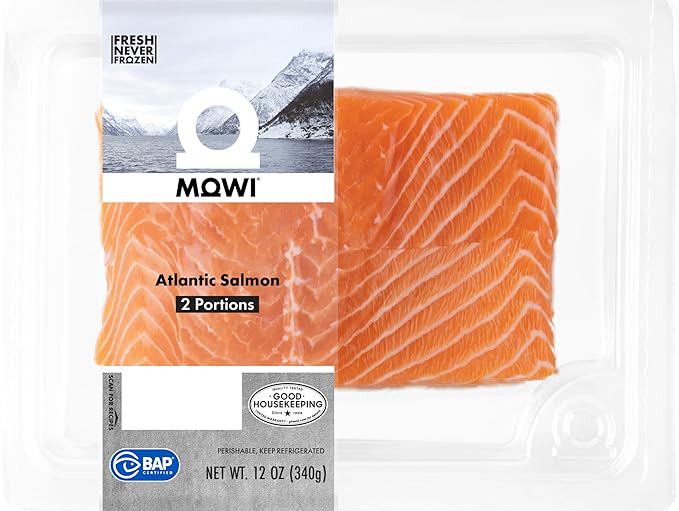
2. The Inflammation Manager: Fatty Fish (Salmon, Mackerel, Sardines)
Muscle imbalances often lead to, or are exacerbated by, low-grade inflammation. When one side works harder to compensate for the other, or when poor movement patterns strain joints, inflammation can follow. This inflammatory environment can hinder recovery, making it harder for the lagging muscle to catch up. This is where fatty fish becomes a powerful dietary tool.
Fish like salmon, mackerel, and sardines are rich in the long-chain omega-3 fatty acids EPA and DHA. These fats are renowned for their potent anti-inflammatory properties. By helping to manage systemic inflammation, they create a more favorable internal environment for muscle repair and growth. This means the weaker, overworked, or compensating muscles can recover more effectively between training sessions dedicated to correcting the imbalance.
Furthermore, omega-3s may improve muscle protein synthesis sensitivity, especially in older adults, making the protein you eat more effective for building muscle. For the strength athlete, this translates to your corrective exercises and targeted work yielding better, more balanced results over time.
What about plant-based omega-3s?
Flaxseeds and walnuts contain ALA, a plant-based omega-3 that the body must convert to EPA and DHA. This conversion rate is notoriously low. For direct, reliable anti-inflammatory support related to training stress and imbalance, coaches prioritize direct sources of EPA and DHA from marine sources.
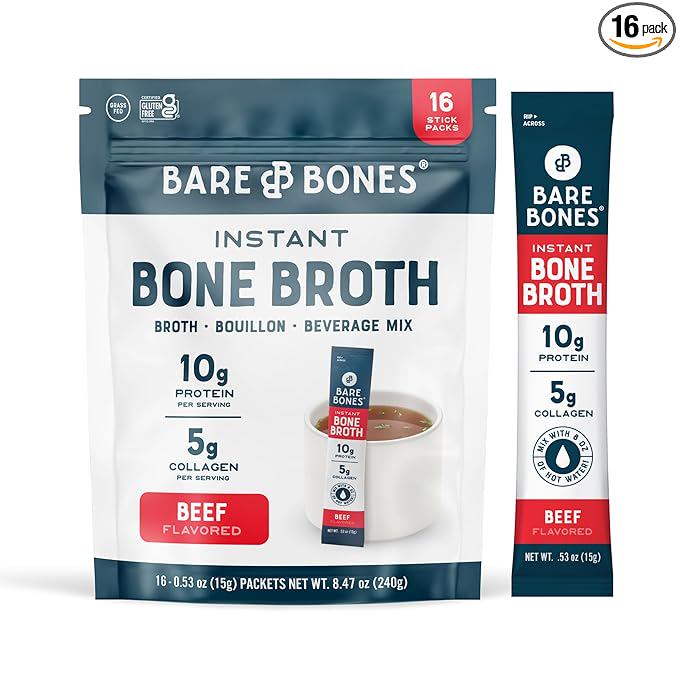
3. The Connective Tissue Builder: Bone Broth or Collagen-Supporting Foods
Muscle imbalances aren’t just about the muscles themselves. They involve the entire kinetic chain—tendons, ligaments, and fascia (the connective tissue that surrounds muscles). Weak or under-recovered connective tissue can contribute to instability and perpetuate imbalance. Strengthening this often-overlooked system is a key coaching insight.
Bone broth is highlighted not as a miracle cure, but as a concentrated source of specific nutrients. Simmering bones releases collagen, gelatin, and amino acids like glycine and proline, which are the building blocks for your own connective tissue. Regularly consuming bone broth provides these raw materials, supporting the body’s natural production of collagen to strengthen tendons and ligaments.
This added resilience can be especially valuable when you’re performing corrective exercises that challenge stability, like single-leg work or uneven loads. Stronger connective tissue helps joints stay aligned and stable under load, allowing the target muscles to work effectively and safely.
- No time for broth? You can support collagen synthesis by combining vitamin C-rich foods (like bell peppers or citrus) with other protein sources. The body needs vitamin C to assemble collagen, so a meal of chicken with a side of broccoli is also a step in the right direction.
Ultimately, correcting muscle imbalances is a holistic practice. These three foods work as nutritional allies to your training program. They provide the complete protein for intelligent repair, manage the inflammation that stalls progress, and fortify the connective tissue that grounds all movement. Consistency with these foods, paired with mindful, unilateral training and proper form, sets the stage for building not just strength, but balanced, resilient strength that functions as well as it looks.