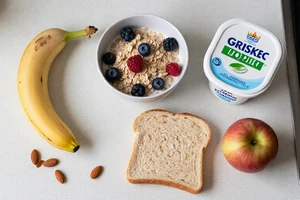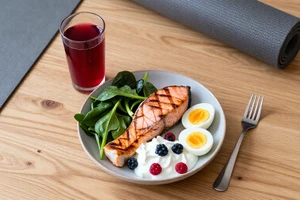

After a beginner workout, your shoulders might feel tight, achy, or just generally worked. That's completely normal—muscle soreness and mild inflammation are part of the adaptation process. But the right nutrition can help calm that inflammation and support the soft tissues (muscles, tendons, ligaments) around the shoulder joint, making your recovery smoother and your next session more comfortable.
Instead of reaching for supplements or fancy powders, start with three real foods that target the specific needs of recovering shoulders: reducing oxidative stress, supporting collagen repair, and easing joint stiffness.
Why Shoulder Mobility Recovery Needs Specific Nutrients
The shoulder is a complex ball-and-socket joint with a huge range of motion. After a beginner workout—especially one involving overhead presses, push-ups, or rows—the rotator cuff muscles, deltoids, and the connective tissue around the joint undergo micro-tears and inflammation. That's a natural part of getting stronger, but it can temporarily limit mobility.
Three key nutritional strategies help here:
- Anti-inflammatory compounds to reduce swelling and pain.
- Collagen-supporting nutrients (vitamin C, amino acids) to repair tendons and ligaments.
- Hydration and electrolyte balance to maintain joint lubrication.
These three foods deliver on all fronts without turning your kitchen into a pharmacy.
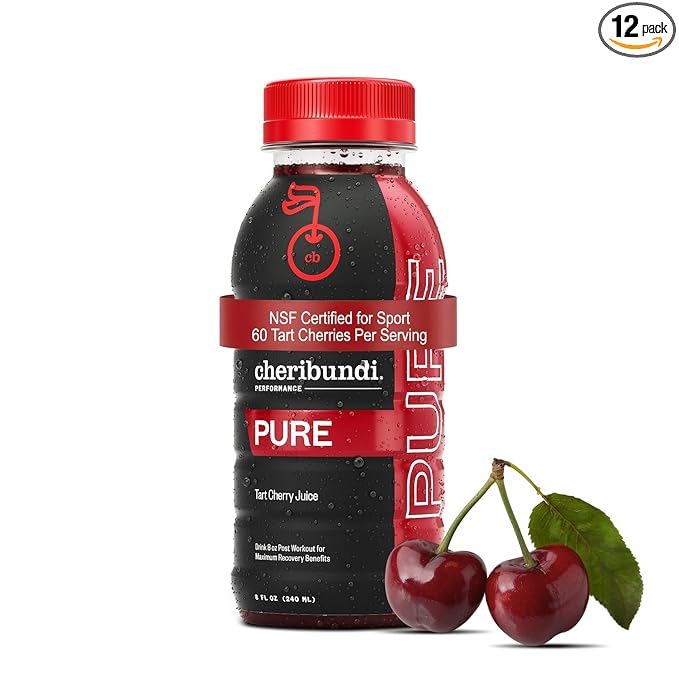
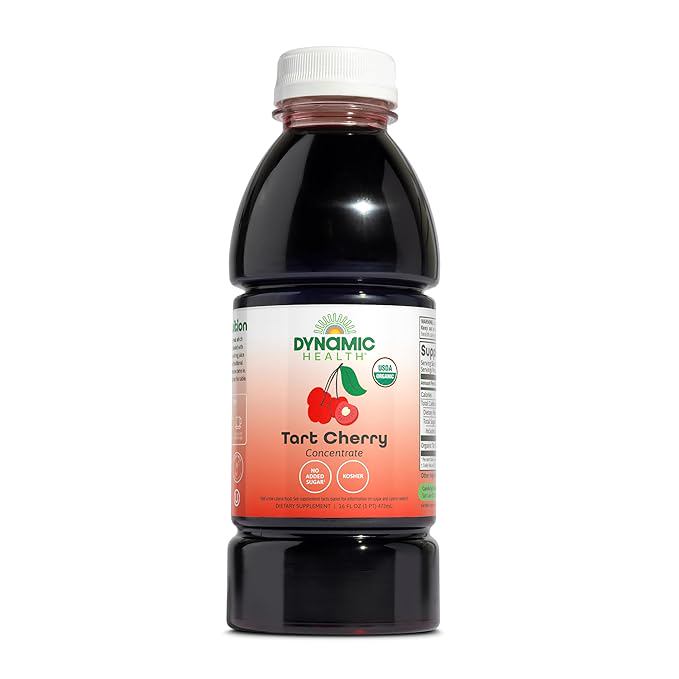
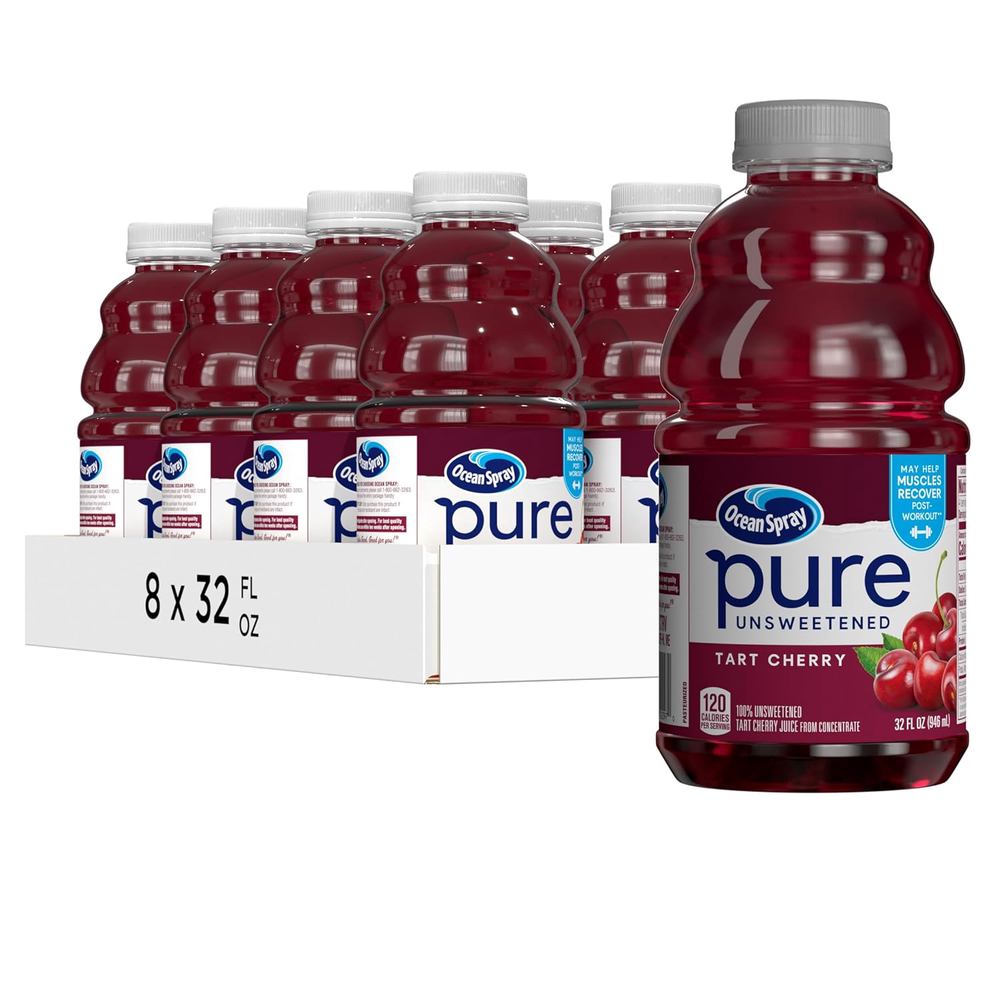
1. Tart Cherry Juice (or Frozen Tart Cherries)
Tart cherries are one of the best-studied foods for exercise recovery. They're rich in anthocyanins—powerful antioxidants that reduce inflammation and oxidative stress. Research suggests tart cherry juice can decrease muscle soreness and speed up strength recovery after intense exercise.
For shoulder mobility, the anti-inflammatory effect is particularly helpful. When the rotator cuff and shoulder girdle are inflamed, you naturally guard the joint, which restricts range of motion. By lowering that inflammatory response, tart cherries help you move more freely during recovery.
How to use it: Drink 8–10 ounces of unsweetened tart cherry juice within an hour after your workout, or add a handful of frozen tart cherries to a post-workout smoothie.
2. Wild-Caught Salmon (or Fatty Fish)
Salmon is packed with long-chain omega-3 fatty acids (EPA and DHA), which are potent regulators of inflammation. Omega-3s help resolve the acute inflammatory response that follows muscle-damaging exercise—without completely shutting down the repair process. This is especially relevant for the shoulder, where tendons and ligaments can become stiff if inflammation lingers.
Additionally, the protein in salmon provides the building blocks for repairing muscle fibers around the shoulder. The combination of high-quality protein and anti-inflammatory fats makes it a one-two punch for mobility recovery.
- Serving suggestion: Grilled or baked salmon (3–4 ounces) as part of a post-workout meal, paired with vegetables and a carbohydrate source like sweet potato or quinoa.
No salmon on hand? Sardines, mackerel, or herring work just as well—they're even more concentrated in omega-3s.
3. Oranges (or Kiwis, Bell Peppers, Strawberries)
Vitamin C is essential for collagen synthesis, and collagen is the structural protein in tendons, ligaments, and joint capsules. After a workout that stresses the shoulder, your body ramps up collagen production to repair and strengthen connective tissue. Without enough vitamin C, that process slows down.
Oranges get the spotlight because they're convenient and provide about 70 mg of vitamin C per fruit—more than enough to support post-exercise collagen formation. But kiwis, red bell peppers, and strawberries are even richer in vitamin C per calorie, so feel free to rotate based on what's in season.
Vitamin C also acts as an antioxidant, further calming exercise-induced inflammation in the shoulder joint.
Easy ways to add it: Slice an orange into your water bottle, toss bell peppers into a stir-fry, or blend kiwis into a recovery smoothie.
Putting It All Together: A Sample Recovery Day
Let's say you did a beginner shoulder workout this morning. Here's how these three foods could fit into your day:
- Post-workout smoothie: Tart cherry juice (as the liquid base), frozen strawberries (vitamin C), a scoop of plain Greek yogurt (protein), and spinach.
- Lunch: Grilled salmon over mixed greens with sliced orange segments, red bell pepper, and a simple vinaigrette.
- Snack: A handful of almonds and a kiwi.
No meal prep required—just strategic choices that double down on mobility support.
Important Note on Recovery Expectations
Foods are supportive, not curative. If your shoulder pain is sharp, persistent, or accompanied by popping or instability, see a physical therapist or healthcare provider. Nutrition helps optimize the body's natural repair processes, but it can't fix structural issues or overuse injuries.
Also keep in mind that hydration and sleep are just as critical for mobility recovery as any food. Shoulder joint capsules need fluid to glide smoothly, and deep sleep is when collagen synthesis peaks.