Healthy fats are essential for hormone function, brain health, and absorbing fat-soluble vitamins. They also help you feel satisfied after meals, which can be a powerful tool when you're managing your weight. But there's a nuance that often gets overlooked in the rush to embrace everything labeled "high-fat" and "healthy": even the most nutrient-dense fats are calorie-dense. A small portion goes a long way, and consistently overeating these foods can quietly tip your daily energy balance in the wrong direction, slowing or stalling weight loss.
This isn't about fear—it's about awareness. Below are three foods that are rich in beneficial fats but can work against your weight-loss goals when portions aren't kept in check. Understanding how to enjoy them without overdoing it is the real skill.
Nuts and nut butters
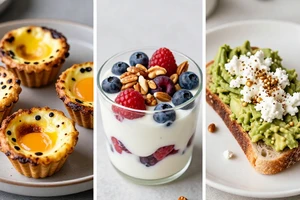
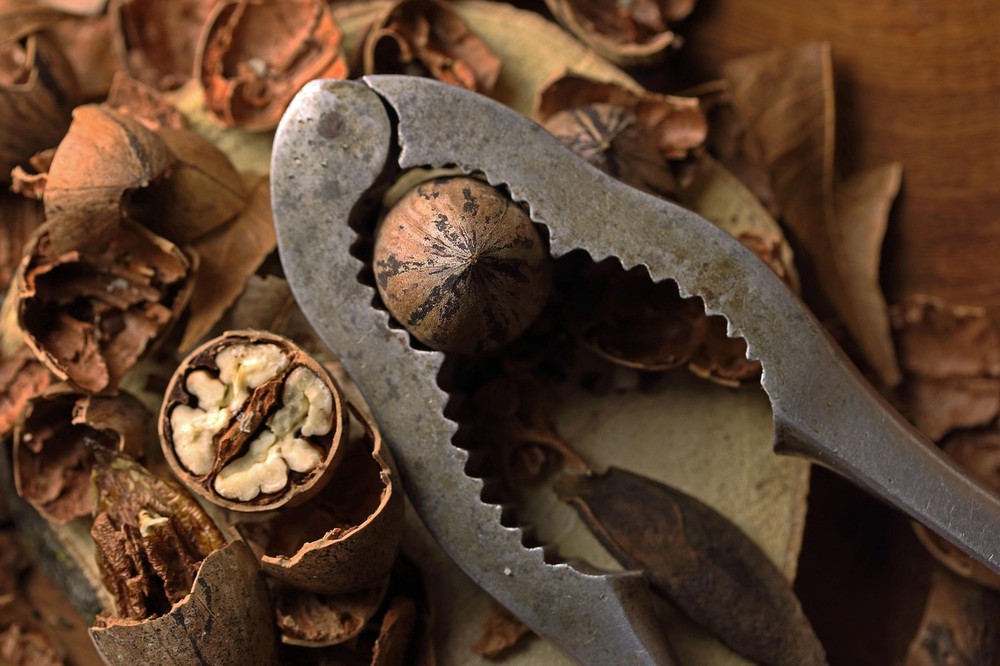
A handful of almonds or a spoonful of peanut butter can turn a sad snack into a satisfying mini-meal. Nuts are packed with monounsaturated and polyunsaturated fats, fiber, and plant protein. But that same handful—roughly one ounce or a small handful—contains about 160 to 200 calories. It's remarkably easy to eat three or four times that amount while watching a show or working at your desk, especially when nut butters are involved.
The problem isn't the fat itself; it's the volume. A quarter-cup of almonds has roughly the same calorie load as a full meal's worth of carbohydrates or lean protein. Unlike vegetables, which you can eat in large quantities for few calories, nuts are a concentrated energy source.
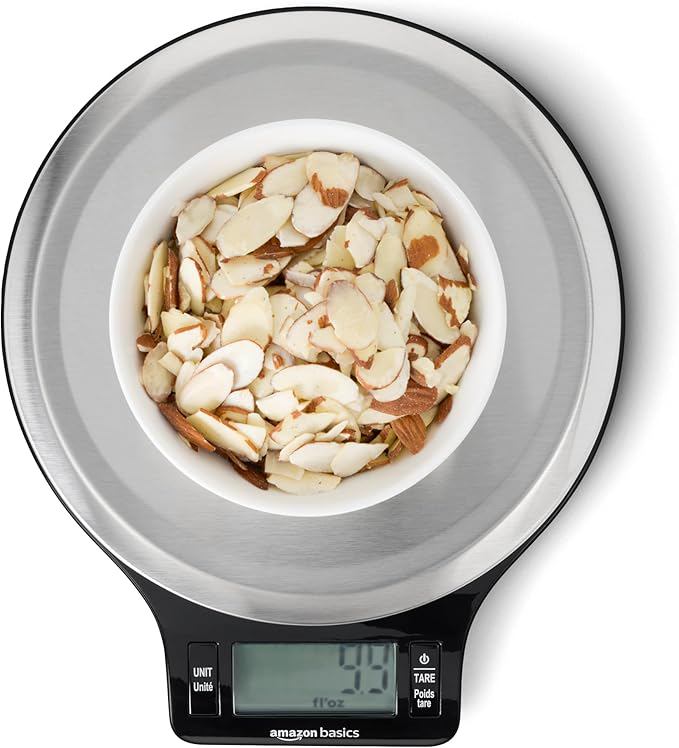
Quick tip: Pre-portion nuts into small snack bags or use a measuring spoon for nut butter. Mindless eating from a large jar or bag is the most common pitfall here.
Avocado
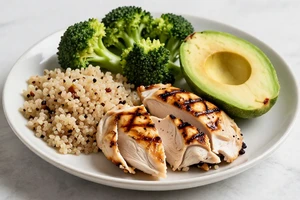
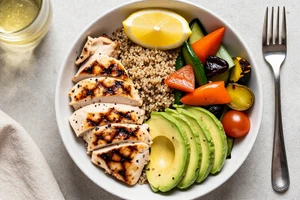
Avocado toast, guacamole, and sliced avocado on salads have earned their reputation as a nutrient powerhouse. They're rich in heart-healthy monounsaturated fats, potassium, and fiber. One medium avocado has about 240 calories and roughly 22 grams of fat. That's not excessive for a whole fruit, but most servings in a meal are half or a third of an avocado.
Where people often slip is adding avocado on top of other calorie-dense ingredients. A chicken salad with a full avocado, cheese, nuts, and a vinaigrette can easily become a 700- or 800-calorie lunch. The avocado is wholesome, but it's not calorie-free. When weight loss is the goal, it's wise to treat avocado as a fat source—not a free vegetable. That means accounting for it in your overall meal composition rather than piling it on without thinking.
If you're aiming to lose weight, consider using half an avocado at most in a meal and pairing it with plenty of non-starchy vegetables to keep the volume high and the calorie density moderate.
Olive oil and other plant oils
Olive oil is the star of the Mediterranean diet and for good reason: it's full of anti-inflammatory phenolic compounds and monounsaturated fats. But a single tablespoon of any oil delivers about 120 calories and 14 grams of fat. If you're generous with the pour—and most home cooks are—you can easily add 300 to 400 calories to a meal without noticing.
The challenge with liquid fats is that they're almost invisible. Drizzling oil over roasted vegetables, into a salad dressing, or onto a pan before cooking can quickly become a habit that adds hundreds of calories per day. A restaurant-style salad can have four or more tablespoons of oil in the dressing, which alone accounts for 500+ calories.
Using a spray bottle or measuring your oil (even for a few days to recalibrate your eye) can help you see exactly how much you're using. A two-tablespoon serving is a good limit for most meals if you're also getting fats from other sources.
How to keep healthy fats working for you
The goal isn't to cut out nuts, avocado, or olive oil. They are genuinely good for you and play a role in sustained energy and long-term health. The key is to treat them as intentional additions to your plate, not background fillers. Here are a few strategies that help:
- Use fat as a flavor accent, not a base. Instead of cooking everything in oil, try steaming or roasting with minimal oil and adding a small finishing drizzle.
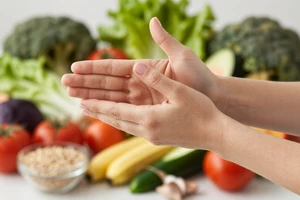
- Count portions, not grams. One serving of nuts is a small handful. One serving of avocado is about a third of a medium fruit. One serving of oil is one tablespoon.
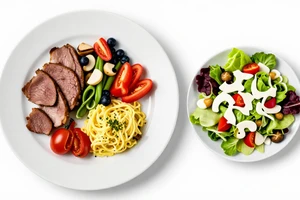
- Pair fats with high-volume, low-calorie foods. A salad with lots of greens, cucumbers, and bell peppers plus a small amount of avocado and a measured dressing keeps you full without the calorie load.
Weight loss ultimately comes down to a consistent energy deficit—burning more calories than you consume. Healthy fats are calorically dense, which means you have to be deliberate about how much you eat, even when the fat source is nutrient-dense. Think of these foods as allies, not enemies, but allies that require respect for their portion size. A little awareness goes a long way toward making them work for your goals rather than against them.