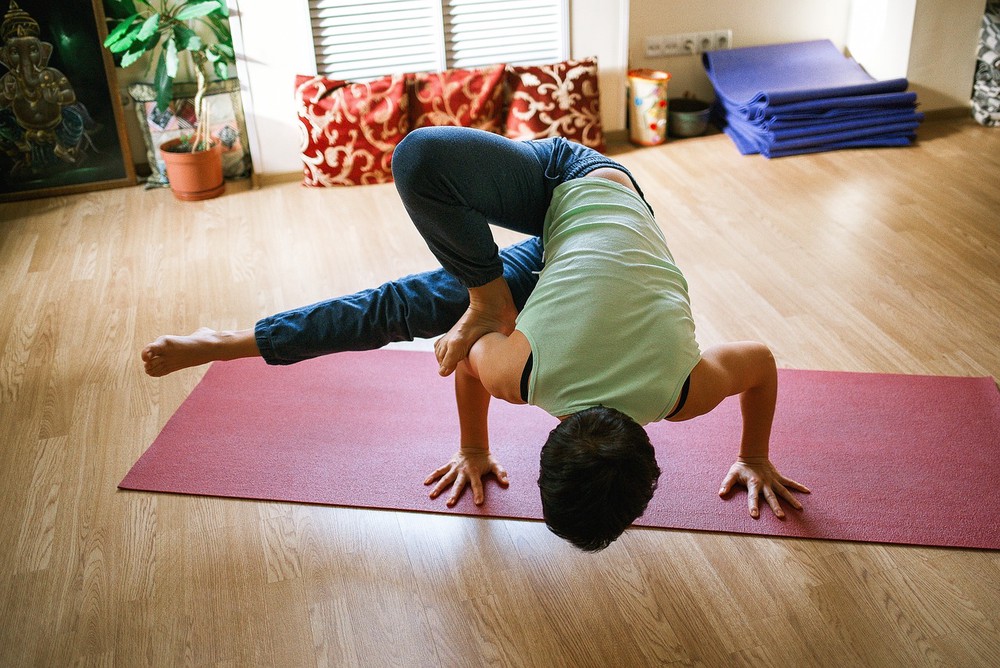
Rolling out your mat and flowing through a sequence does more than challenge your muscles and balance—it also taps into your body's fluid reserves. Even a gentle yoga session can leave you feeling thirsty, lightheaded, or unusually fatigued the next day if you haven't managed your water intake well. Proper hydration before and after yoga isn't just about quenching thirst; it directly influences how quickly your muscles repair and how sharp your focus remains during practice.
Here are three expert-backed strategies to help you hydrate effectively and recover faster.
1. Pre-hydrate 2–3 hours before class—not right before
Many people gulp down a large glass of water just as they walk into the studio, but that can backfire. Drinking a lot right before practice often leads to sloshing in the stomach, cramps, or the need for an urgent bathroom break mid-savasana. The better approach is to spread your fluid intake over the hours leading up to your session.
Aim for about 16–20 ounces (roughly two cups) of water two to three hours before you start. If you tend to sweat heavily or you're practicing in a heated room, you may want a small cup of water (4–8 ounces) about 30 minutes before class. This gradual process lets your kidneys process the fluid, so you arrive well-hydrated without feeling overfull.
For early morning classes—when you haven't had hours to pre-hydrate—drink about 8–12 ounces immediately upon waking and sip small amounts as you get ready. Your body loses water overnight, so skipping this step can leave you starting class already behind on fluid balance.
2. Add electrolytes during and after sweaty sessions
When you sweat, you lose not only water but also key minerals like sodium, potassium, and magnesium. Replacing water alone—especially plain water—does not always bring your body back into balance. If you're doing a sweaty vinyasa, hot yoga, or any form of power yoga, consider adding electrolytes to your post-practice hydration routine.
You don't need a sugary sports drink. Many yogis prefer an electrolyte tablet or powder without added sugar, or a simple pinch of high-quality salt (like sea salt or Himalayan pink salt) in a glass of water. Coconut water is another good natural option, as it contains potassium and a small amount of sodium. The key is to consume these electrolytes along with your water within 30 to 60 minutes after class, when your muscles are most receptive to replenishment.
Tip for sensitive stomachs: If you find that salt or electrolytes irritate you, try a small banana or a handful of dates with your water. The natural sugars and minerals can help absorption without causing digestive upset.
3. Time your post-yoga hydration to support muscle repair
Your body continues to lose fluid through respiration and light perspiration even after you've left the mat. Drinking enough water after practice helps flush metabolic waste products from your muscles, reduces next-day soreness, and rehydrates your tissues. But timing matters.
Don't rely on thirst alone—by the time you feel thirsty, you may already be mildly dehydrated. Instead, aim to drink about 16–24 ounces of fluid (with electrolytes) over the course of the first hour after practice. Sip steadily rather than chugging; your kidneys handle a steady intake far more efficiently than a sudden flood.
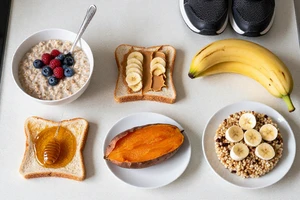
If you plan to eat a meal after yoga, that's great. Many whole foods—especially fruits and vegetables—contain significant water and minerals. Cucumber, watermelon, oranges, celery, and leafy greens all contribute to your hydration status. Pairing a water-rich snack or meal with your drinking water creates a sustained hydrating effect that lasts for hours.
For evening practices, be mindful not to drink so much right before bed that your sleep is disturbed. Taper your intake in the final hour before you go to sleep, but do finish a solid cup of water within 30 minutes of finishing your post-yoga snack.
How do I know if I'm properly hydrated for yoga?
One simple way is to check your urine color: a pale straw or light lemonade color usually signals good hydration. Dark yellow or amber means you need to drink more before your next practice. Also pay attention to how you feel during practice—if you experience dizziness, dry mouth, or headaches, those are red flags that your fluid levels are low.
What about drinking water during yoga?
It's fine—and sometimes necessary—to take small sips during your practice, especially in hot yoga. Keep a water bottle within arm's reach, but take only small sips (one or two mouthfuls) between poses or during brief moments of rest. Large amounts can disrupt your flow and cause discomfort. If practicing in a cool room with a moderate pace, you may not need to drink during a 60-minute session at all—just before and after.
Staying fluid-balanced doesn't have to be complicated. With a little planning and a focus on both water and electrolytes, you can move through your practice with more energy and wake up less stiff the next morning.