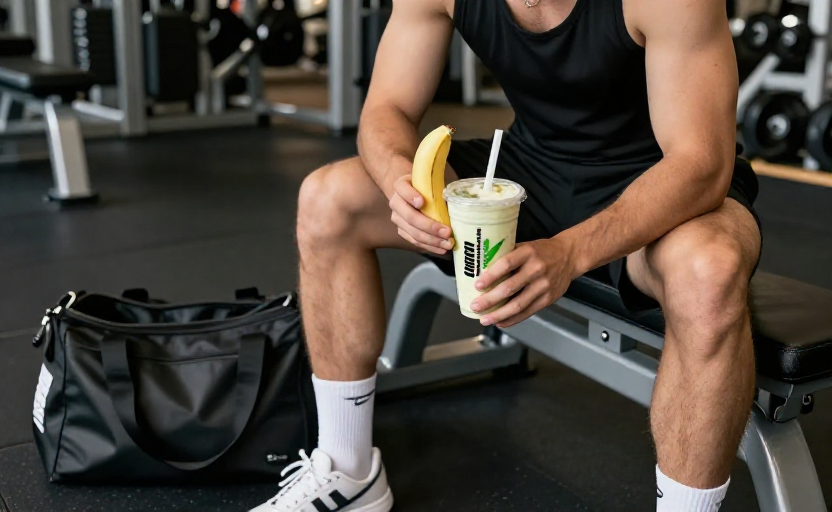
You crushed your last set, caught your breath, and now you're staring into the fridge. The question is: how quickly do you actually need to eat? The old rule about a 30-minute "anabolic window" has been stretched, bent, and debated for years. The truth is more nuanced—and more forgiving—than many gym-goers believe.
Getting the timing of your post-workout snack right can support muscle repair, replenish energy stores, and help you feel better the next day. But the "right" timing depends on what you ate before, how hard you trained, and what your goals are. Here are three expert-backed principles to take the guesswork out of refueling.
1. Match your timing to your pre-workout fuel
If you trained fasted—first thing in the morning on an empty stomach, for example—your body is running on low glycogen reserves. In this scenario, the research suggests a more urgent need for nutrients. A 2023 review in the Journal of the International Society of Sports Nutrition notes that fasted exercise increases muscle protein breakdown, making post-workout intake especially important for recovery.
If you had a solid meal two to three hours before training, your muscles still have circulating amino acids and glycogen. You have a wider window—up to two hours after your session—to eat without compromising recovery. The key is listening to your hunger cues rather than watching the clock with anxiety. A pre-workout meal that included protein and carbs essentially buys you time.
2. Prioritize total daily protein over a rigid window
The old "30-minute window" myth has softened. Current evidence shows that muscle protein synthesis remains elevated for at least 24 hours after resistance training. What matters most is your total protein intake spread across the day, with particular attention to the post-workout period.
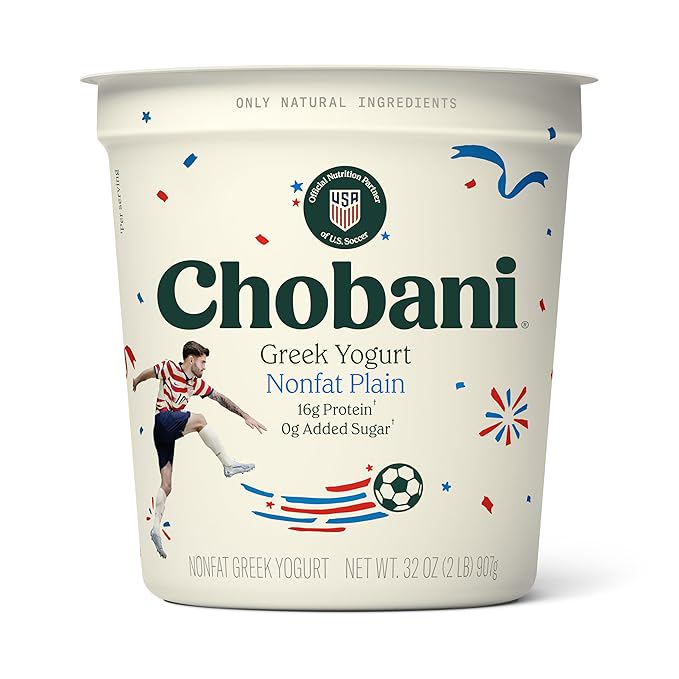
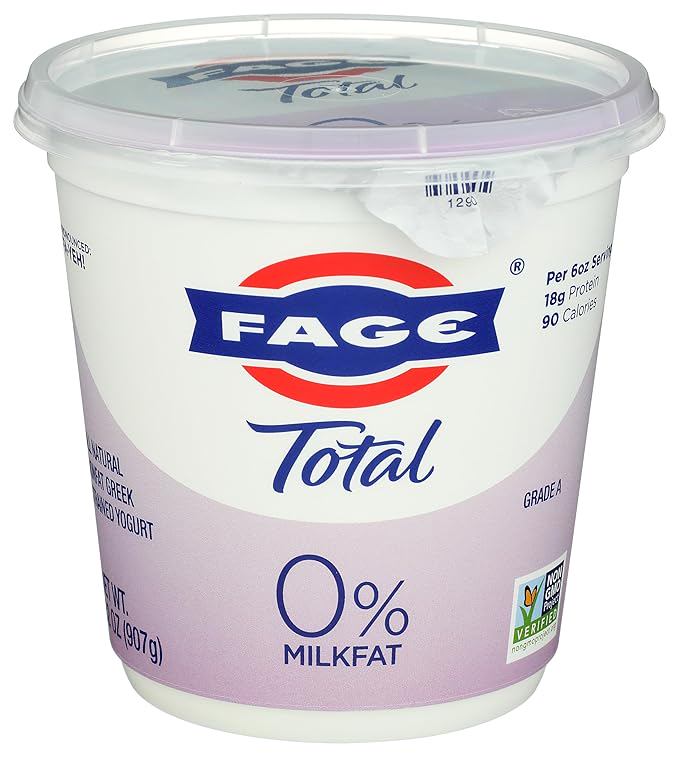
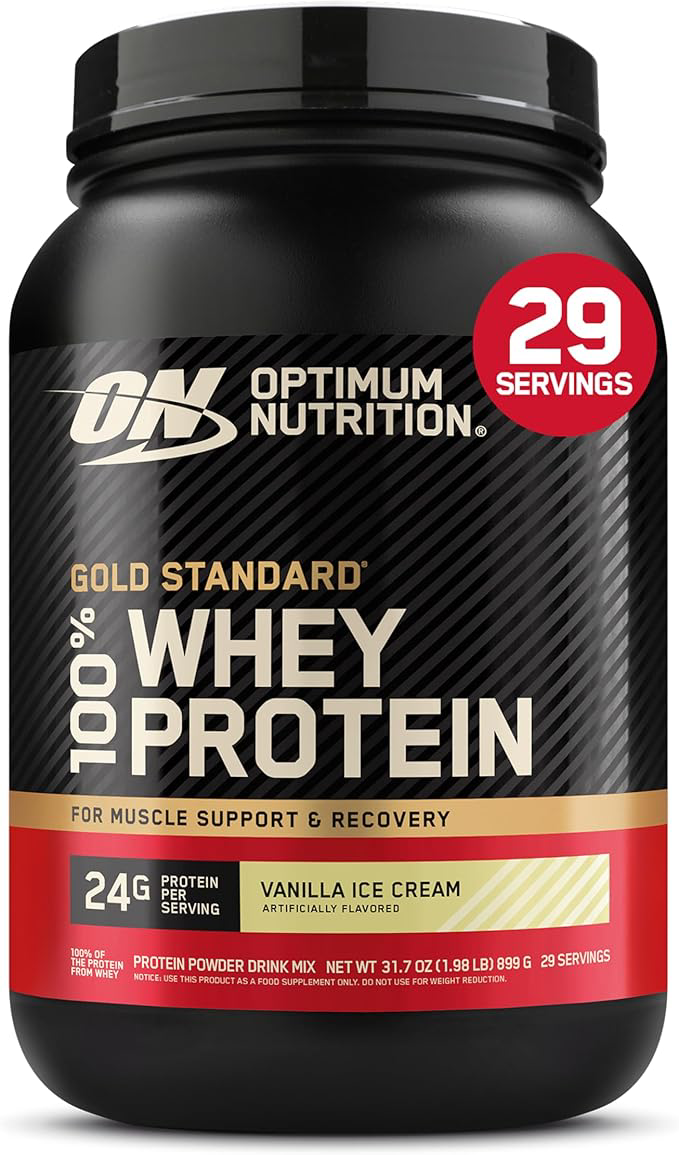
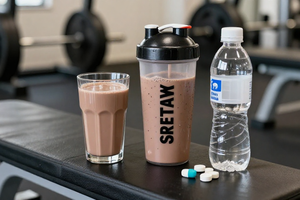
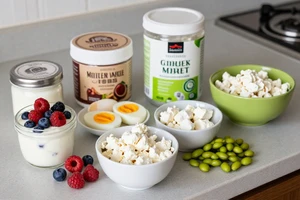
A practical approach: aim for 20 to 40 grams of protein within two hours of training. That could look like a chicken breast with roasted vegetables, a whey shake blended with a banana, or a Greek yogurt bowl topped with berries. If you prefer a snack that sits light, a protein shake with a piece of fruit works well.
A quick caveat: If you're an elite athlete training twice a day, the window narrows. For most people training once daily, total daily protein intake matters more than the exact minute you eat.
3. Don't forget carbohydrates—especially after intense sessions
Protein gets all the glory, but carbs play a critical role in recovery. After a workout, your muscles are primed to soak up glucose and replenish glycogen. If you skip carbs entirely, you may feel flat or fatigued during your next session.
For moderate sessions (45 to 60 minutes), a simple snack with a 3:1 or 4:1 ratio of carbs to protein works well. Think chocolate milk, a peanut butter sandwich on whole-grain bread, or a smoothie with fruit and a scoop of protein powder. For longer or very intense sessions—like a two-hour run or a heavy leg day—you'll benefit from a larger carb portion.
A surprising but effective option: tart cherry juice. Some research suggests it can reduce muscle soreness and improve recovery when consumed after exercise. Just watch for added sugar and stick to unsweetened varieties if possible.
Ultimately, the best post-workout snack is the one you'll actually eat consistently. If a rigid schedule stresses you out, relax. Focus on eating a balanced meal with protein and carbs within a couple of hours, and pay attention to how your body responds. Over time, you'll find a rhythm that supports your training without adding unnecessary pressure.